


Last November, I wrote a piece comparing hyperpop to modern-day punk and relating Charli XCX to Debbie Harry. Not because they make the same music, and definitely not because I think hyperpop and punk are interchangeable genres, but because I think that they both just get it.
Punk Raised the Freaks. Hyperpop Adopted Us.

I recently read HighSnobiety’s piece Hyperpop Is The New Punk by Sam Tracy, which instantly reminded me of that WXPN article by Roni Birchak saying basically the same thing. Let’s just say the concept was catching strays on my Instagram feed — comments like “
And now, months later, Charli has released “Rock Music,” a song where she quite literally says, “I think the dance floor is dead, so now we’re making rock music.”
The timing feels almost too perfect.
What interests me most about the song is that, despite the title and the guitars, it still sounds unmistakably like Charli XCX. The production remains synthetic, glossy, hyper-digital, and self-aware. It doesn’t feel like a genuine attempt to suddenly become a traditional rock artist. Instead, it feels more like Charli playing with the idea of rock music and the mythology surrounding it.
Which is why I think the song works.
When I originally wrote about hyperpop and punk, my point was never that the genres sounded alike. Punk was born out of frustration, boredom, anti-establishment anger, and DIY culture. Hyperpop emerged through the internet: SoundCloud, Discord servers, Tumblr aesthetics, algorithmic discovery, digital identity. The environments are completely different.
But punk was never just about guitars and leather jackets either. At its core, punk was attitude. Rejection. Performance. It was about building spaces for people who existed outside of the mainstream and creating identities that intentionally disrupted what felt polished, traditional, or socially acceptable.
Hyperpop has been doing that for years.
The genre thrives on exaggeration. Distorted vocals, overproduction, chaotic aesthetics, aggressively curated online personas — everything is pushed to a heightened level. Artists like SOPHIE, Shygirl, and Arca don’t just make songs; they create entire worlds around identity, performance, fashion, and digital culture. In many ways, hyperpop rejects authenticity in the same way punk once rejected polish. The methods are different, but the impulse is strangely similar.
That’s why Charli’s move toward “rock music” feels less like a genre pivot and more like commentary.

The song almost reads as performance art — Charli stepping into the symbolism of rock culture without fully abandoning the hyperpop sound she helped define. She’s not suddenly becoming a rock singer-songwriter; she’s interrogating reinvention itself, which feels very aligned with the way modern pop culture operates.
And I can’t help but think about Blondie while watching the discourse unfold.
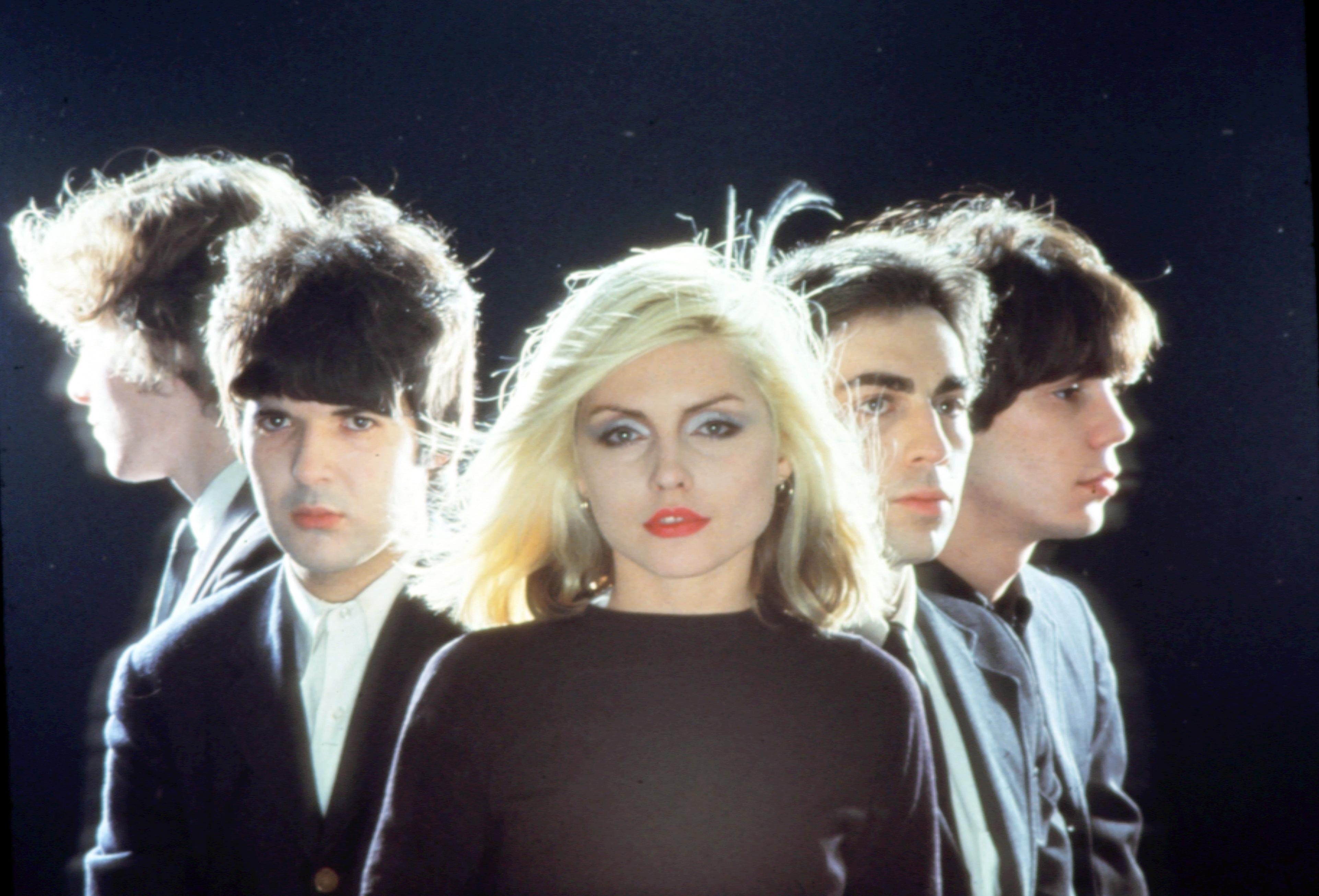
Coming out of CBGB punk culture in the late 1970s, Blondie constantly blurred genre lines. They mixed punk with disco, rap, pop, and new wave at a time when those crossovers frustrated purists. People questioned whether they were “punk enough,” whether they were too commercial, too polished, too performative. But that genre-blending experimentation is exactly what made them so culturally defining in the long run.
I think Charli occupies a similar space today.
Not because the music sounds alike, but because both artists understand culture beyond genre. They understand image, performance, reinvention, and how to take underground aesthetics and push them into the mainstream without completely sanding off their edge.
Maybe that’s why “Rock Music” has created such an intense reaction online. The discourse surrounding the song feels bigger than the song itself. People aren’t just debating genre — they’re debating who gets to participate in cultural movements, what authenticity even means in an era built on performance, and whether reinvention automatically makes an artist less “real.”
Which is interesting, because those tensions have existed in nearly every major youth movement before this one, too. From beat, to punk, to club culture, to hyperpop, the moment something underground begins entering the mainstream, people start panicking about whether it has lost its soul.
And maybe Charli understands that better than most.