


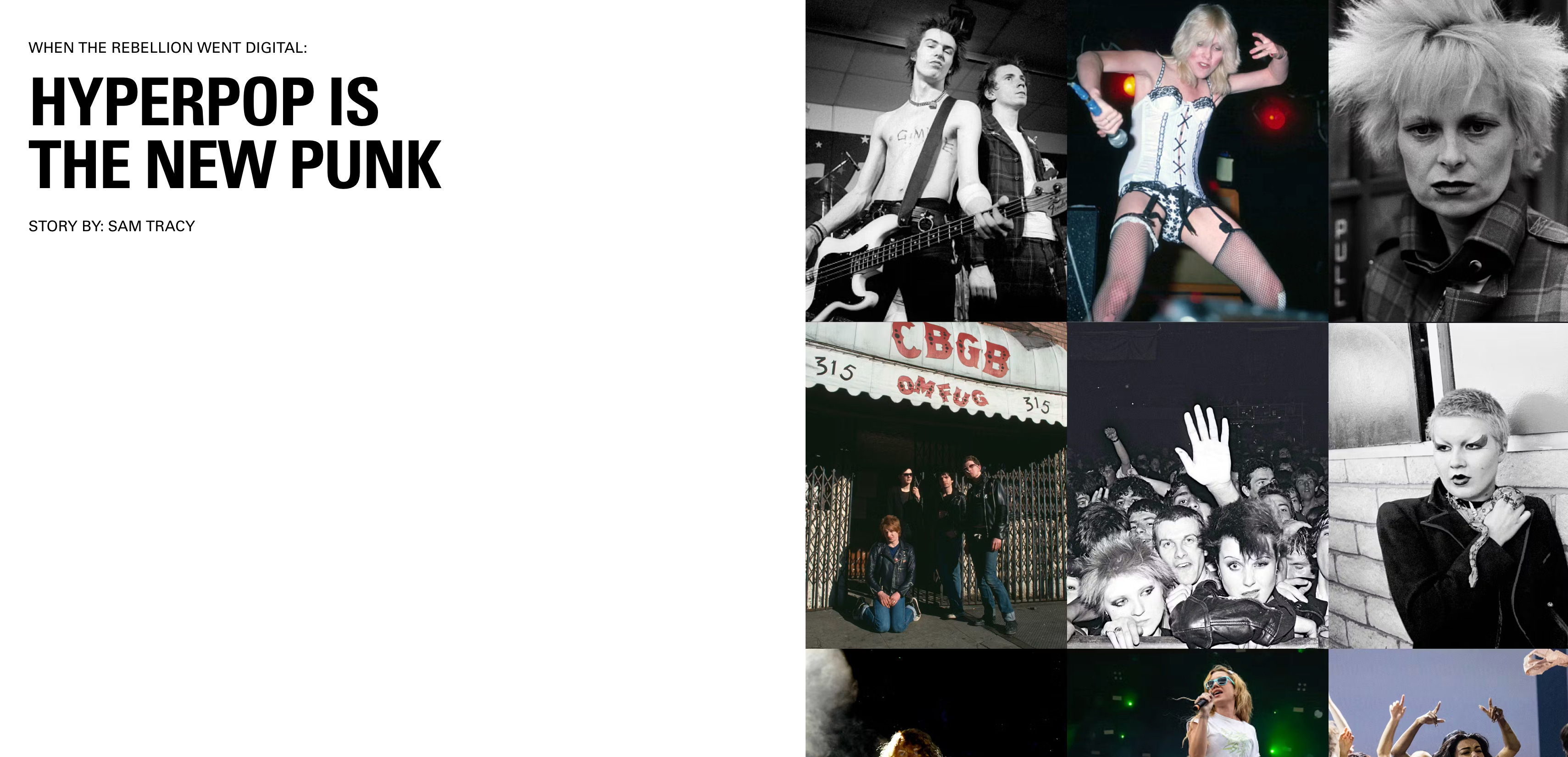
I recently read HighSnobiety’s piece Hyperpop Is The New Punk by Sam Tracy, which instantly reminded me of that WXPN article by Roni Birchak saying basically the same thing. Let’s just say the concept was catching strays on my Instagram feed — comments like “Hyperpop is just sad influencers, punk will always be the real deal” and “the gentrification of punk is crazy.” And honestly, I get the hatred and the confused reactions, but I also think people missed the point…or the articles missed their mark. Either way, here’s why I understand what the writers were trying to say — and why I kind of agree.
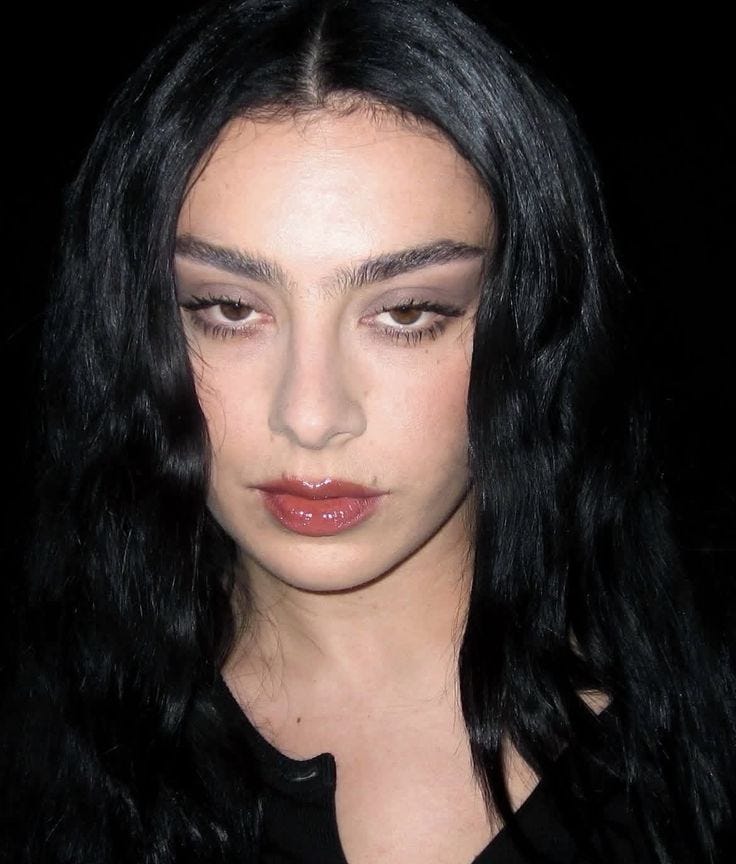
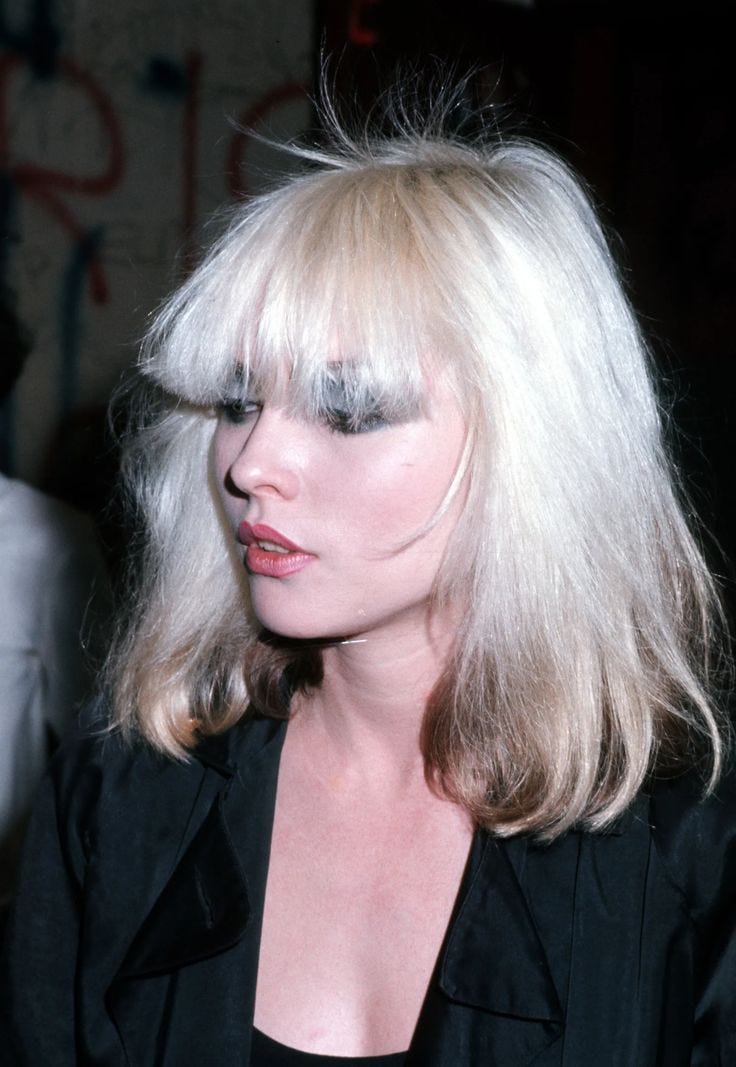
First, to the “punk is alive” crowd: yes. Obviously. Punk is thriving. I dip my toe into the scene sometimes. Punk is a huge, messy, beautiful genre, and hyperpop is its own entirely separate thing. And without a doubt, they’re not interchangeable. In this piece, I’m not saying Charli XCX is Debbie Harry 2.0 — but it is wild how both of them, decades apart, have that same chaotic, genre-bending energy. Neither followed the mainstream, yet they both carved their way into it. So no, punk isn’t dead. But it isn’t shaping culture in the 2020s the way it did in the 70s. And hyperpop hasn’t made it there yet either. The comparison for me isn’t about who’s influencing who — it’s about energy.
If you look at today’s hyperpop movement, defiance is (arguably) at the forefront. Punk erupted from boredom, frustration, and anti-establishment anger. Ripped shirts, DIY everything, The Sex Pistols basically invented “distressed on purpose.” Hyperpop comes from a different medium — SoundCloud, Tumblr, Discord. It even got its name from Spotify. It’s the first genre that feels algorithm-born in a way punk never was.
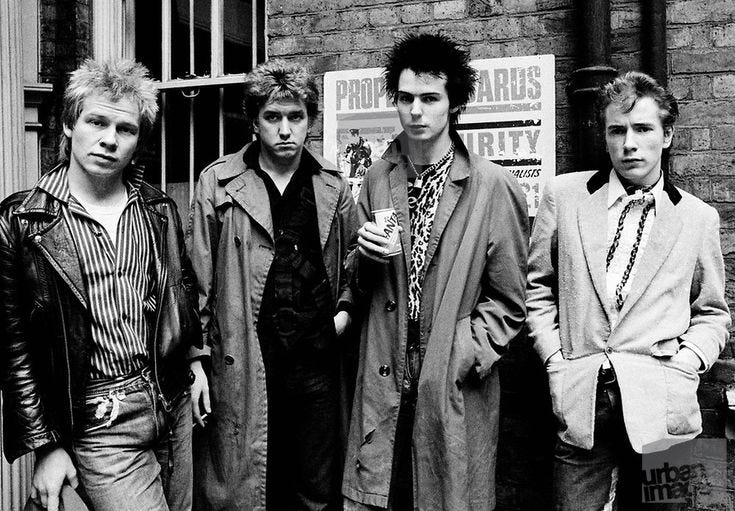
But punk was never just a sound. It was an attitude. That yearning for originality? You can see echoes of it in every hyperpop girlies rave look. The over-the-top digital personas and chaotic maximalism — they feel like the modern version of punk’s anti-fashion ethos. Bladee wandering around Sweden in outfits that look like he crawled out of a glitchcore dumpster is honestly the internet-era equivalent of some 1970s kid shredding their jeans on purpose. And Dilara Findikoglu’s distressed, fetish-filled collections? Think Vivienne Westwood and Malcom McLaren’s SEX. Different mediums, same sentiment.
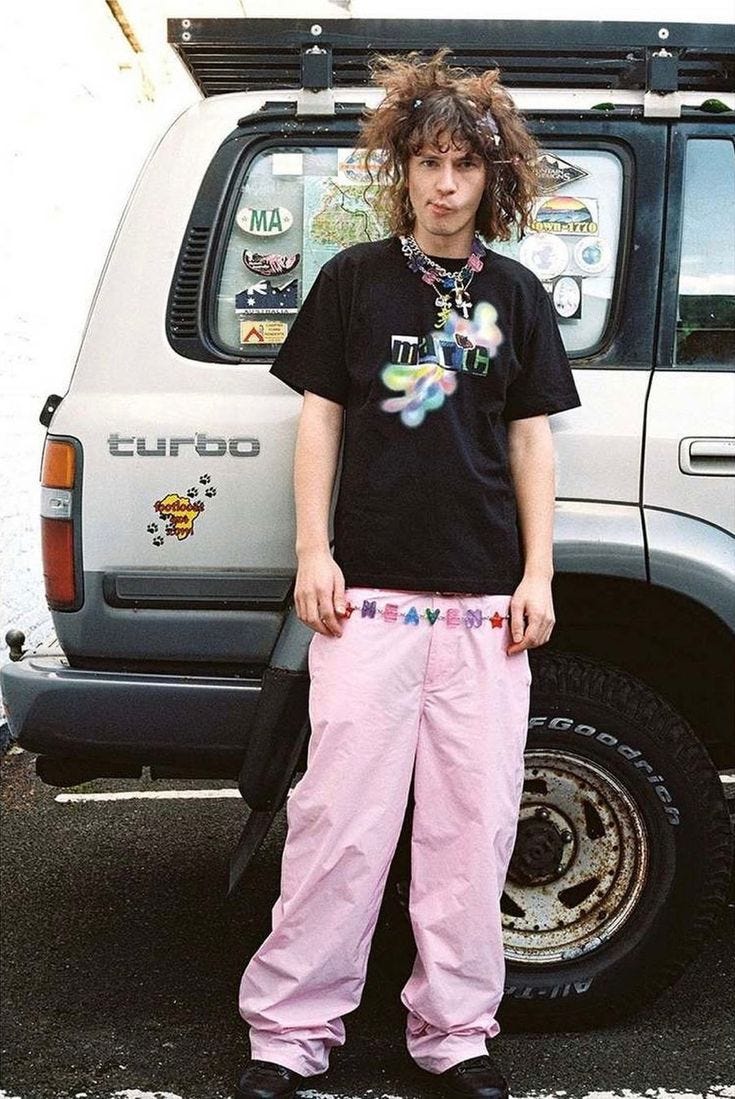
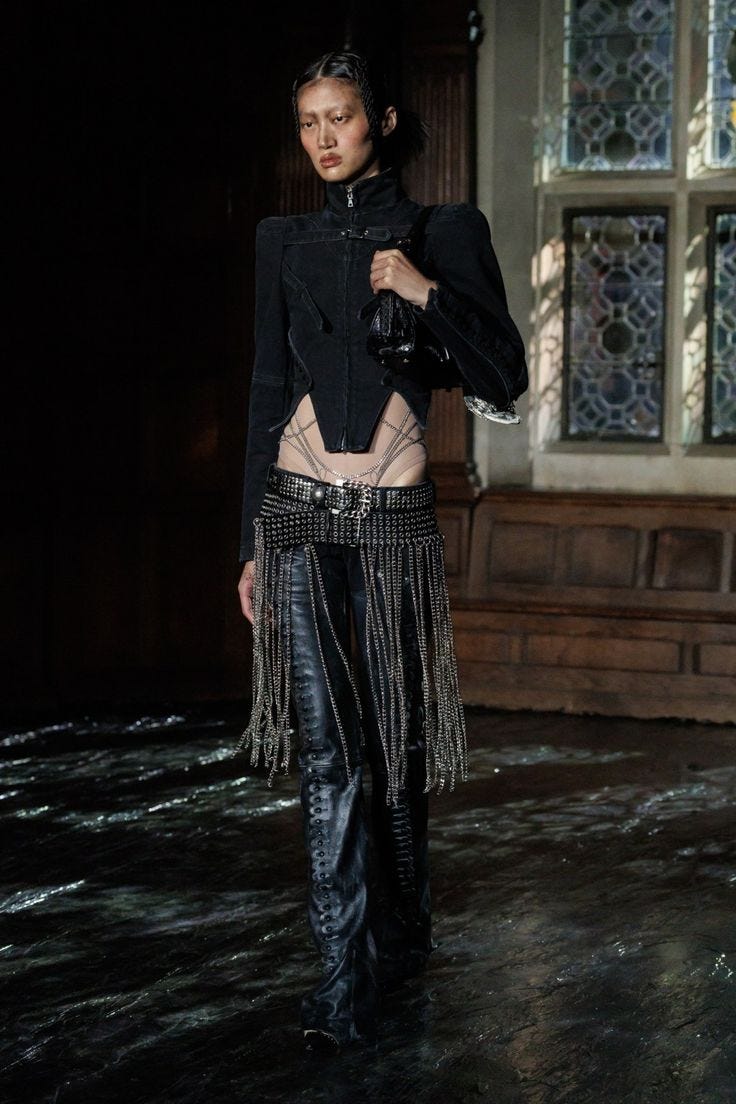
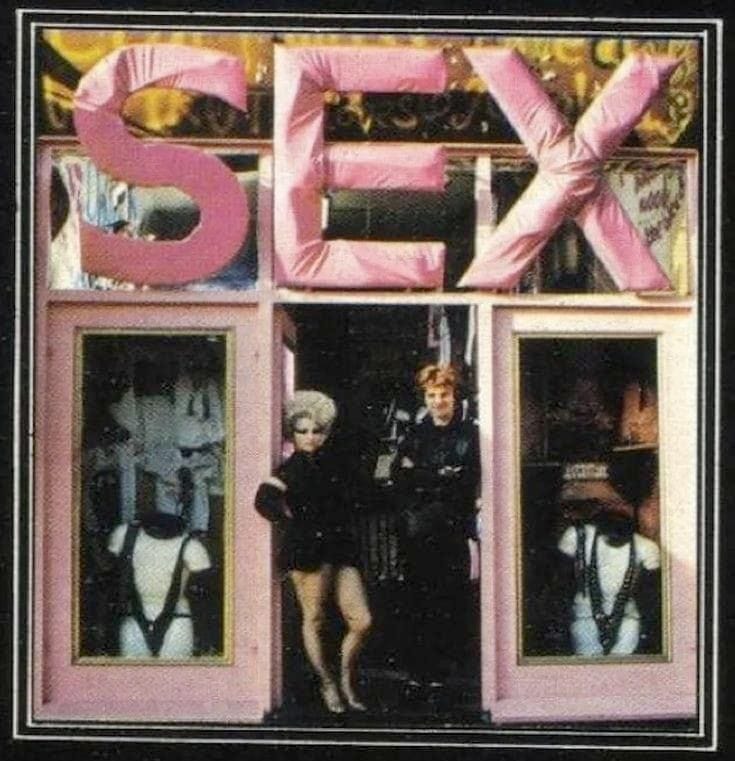
Where the overlap becomes impossible to ignore is identity. Punk welcomed the freaks, the queers, the kids who didn’t fit — even though the scene wasn’t always the safest space for everyone. Hyperpop, though, carries that torch effortlessly. SOPHIE, 100 gecs, Shygirl, Rina Sawayama? Queer hyperpop icons. Look at Arca: bending gender, sound, and performance into something otherworldly, like a 2020s Candy Darling in a Warhol film. Hyperpop isn’t rebelling through guitars; it’s rebelling through presentation, persona, and digital curation. With a little bit of synth and autotune.
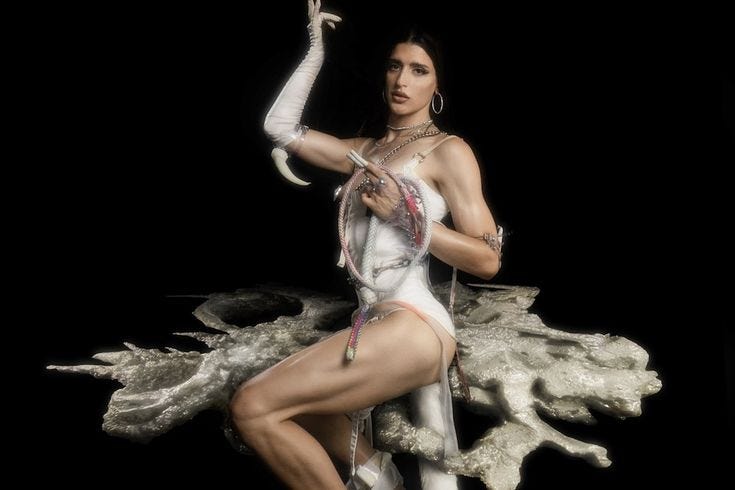
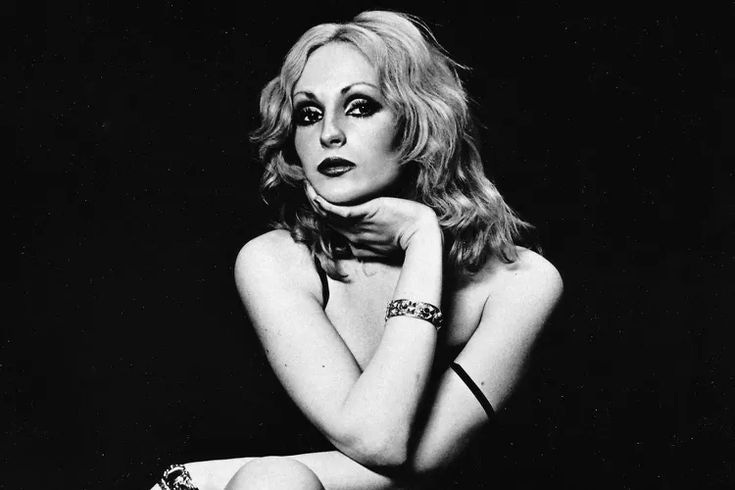
So no, hyperpop isn’t “the new punk” in a literal sense. Punk is punk. Hyperpop is hyperpop. But the spirit behind both — the noise, the anti-establishment impulse, the community-building, the refusal to conform — that’s the overlap I think HighSnobiety and WXPN were reaching for.
And honestly? They weren’t that far off.