


If the latest fashion season has told us anything, it’s that something’s missing — women. That may sound laughable to casual fashion fans (“A lack of women in fashion? Impossible!”), but take it from me: fashion is losing its feminine touch.
As a man, I don’t feel entitled to speak on behalf of women or tell you how they should feel. It’s easy to have opinions on things that don’t directly apply to you — though I agree with everything I’ve heard women like Julia Fox and NEWSFASH say. What I can do, however, is tell you what I’ve seen and heard this past season.
In an industry so heavily marketed toward women, you’d expect mountains of recognition, appreciation, and understanding of the female body. And while there were moments — like Dilara Findikoglu and Matthieu Blazy’s Spring/Summer 2026 collections — the overall energy of the season felt off. To put it bluntly: women were shown with penises, blindfolds, and only about 8–12% of major shows were led by women designers. Yikes.
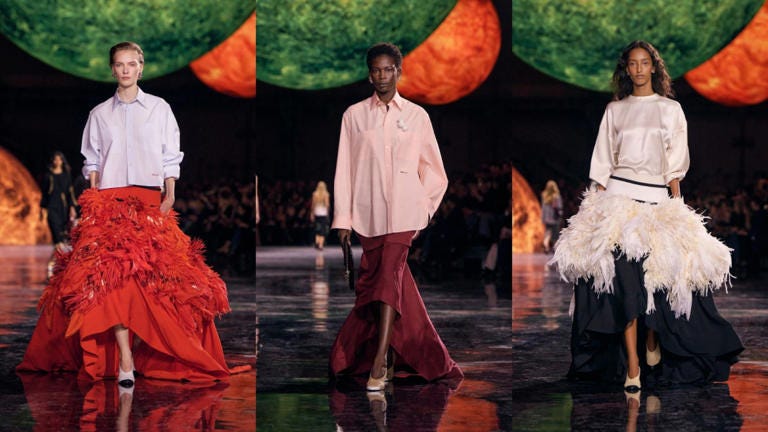
Many women can’t even see themselves in the clothing being sent down the runway. How backward is that? Clothing. Designed for women. But not what women actually want.
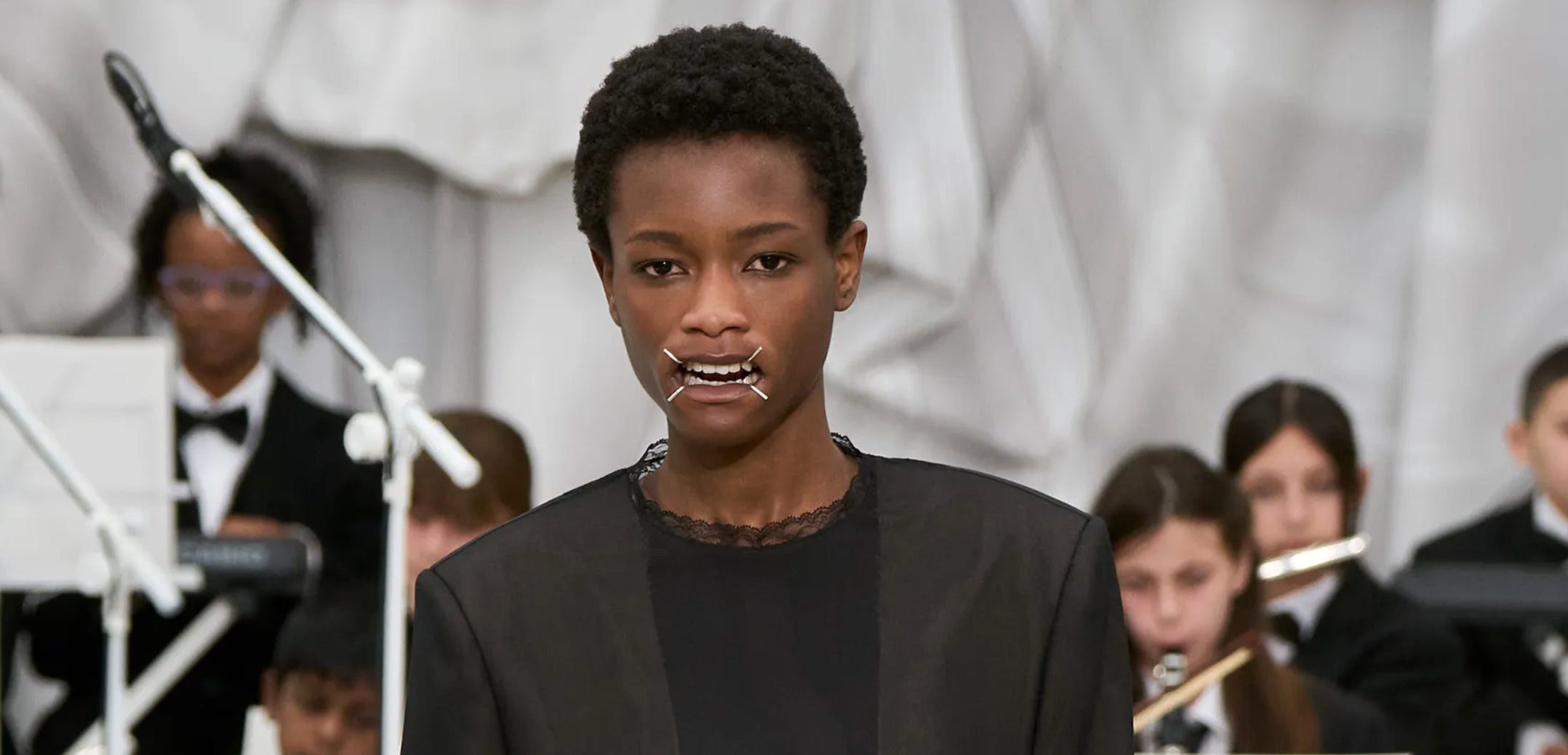
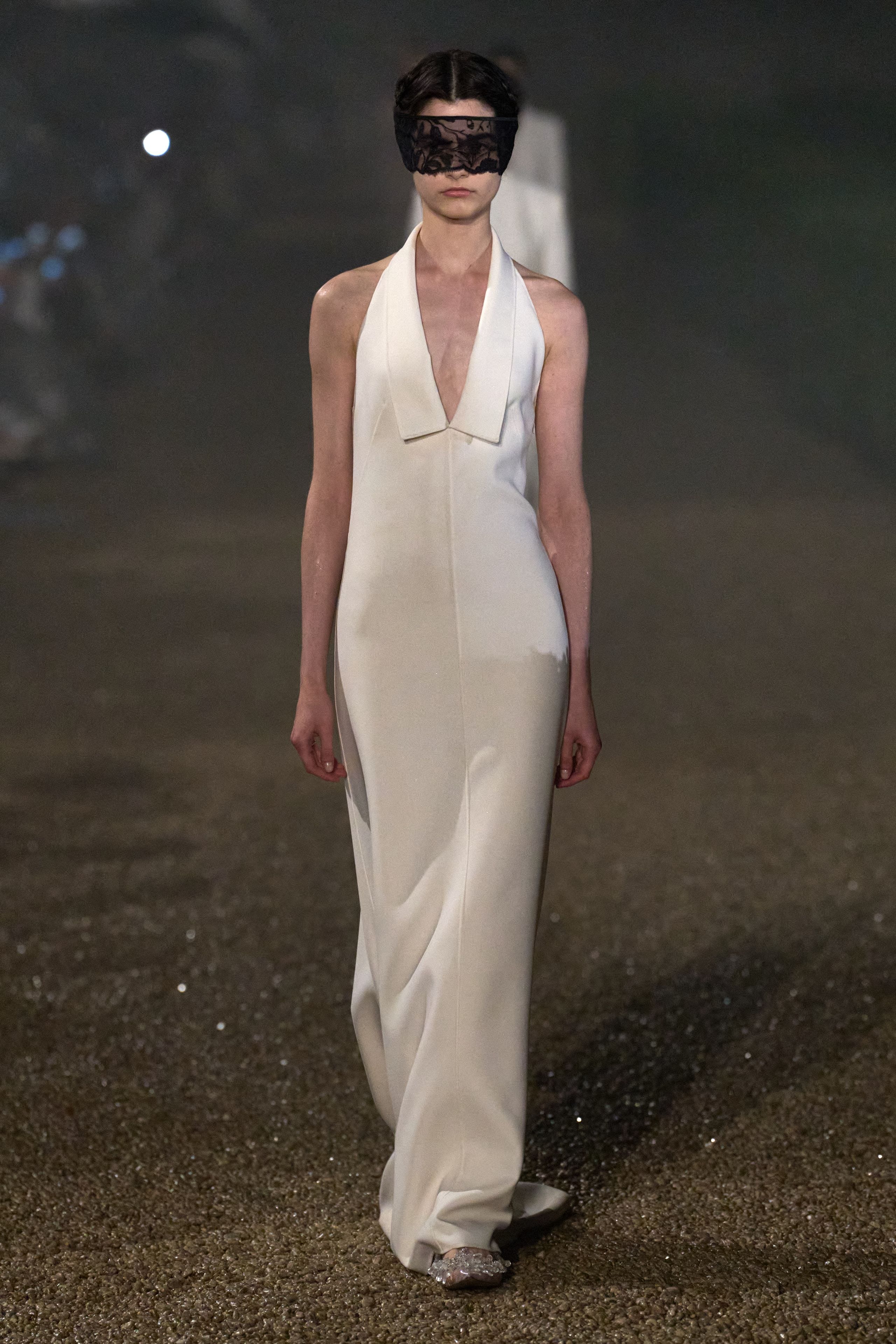
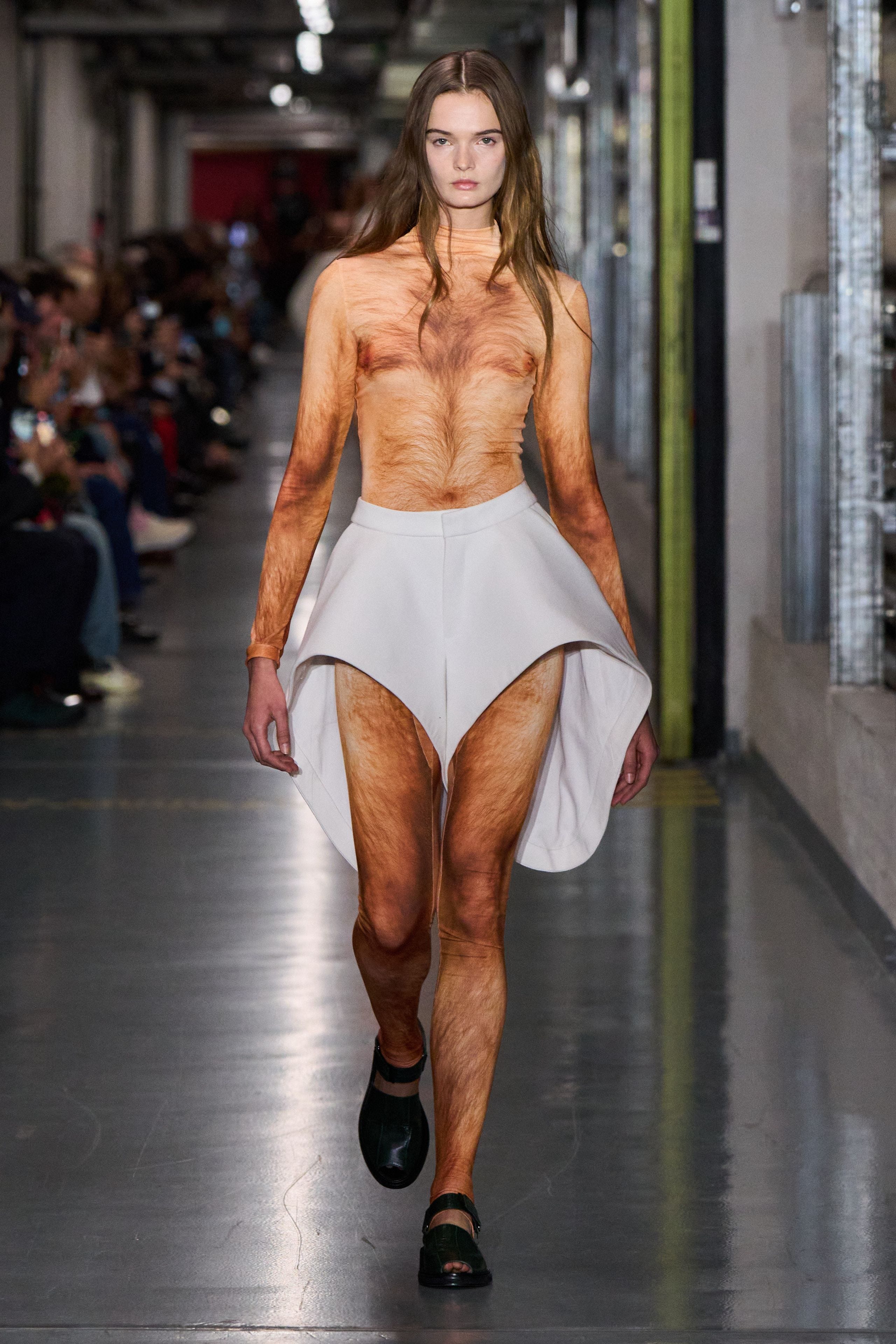
At Maison Margiela’s Co-Ed Spring/Summer 2026 show by Glenn Martens, models — male and female — wore “Four Stitch” mouthpieces that forced their mouths open into eerie smiles. Dior Cruise 2026 by Maria Grazia Chiuri featured women in blindfolds, some covering their entire faces. Jean Paul Gaultier’s Spring/Summer 2026 collection by Duran Lantink showcased bizarre, impractical silhouettes and vulgar motifs — yes, including a penis. A shock tactic that felt more mocking than meaningful. And at Alaïa Spring 2026 Ready-to-Wear, Pieter Mulier sent out stiff, enclosed garments that literally trapped women’s arms at their sides.
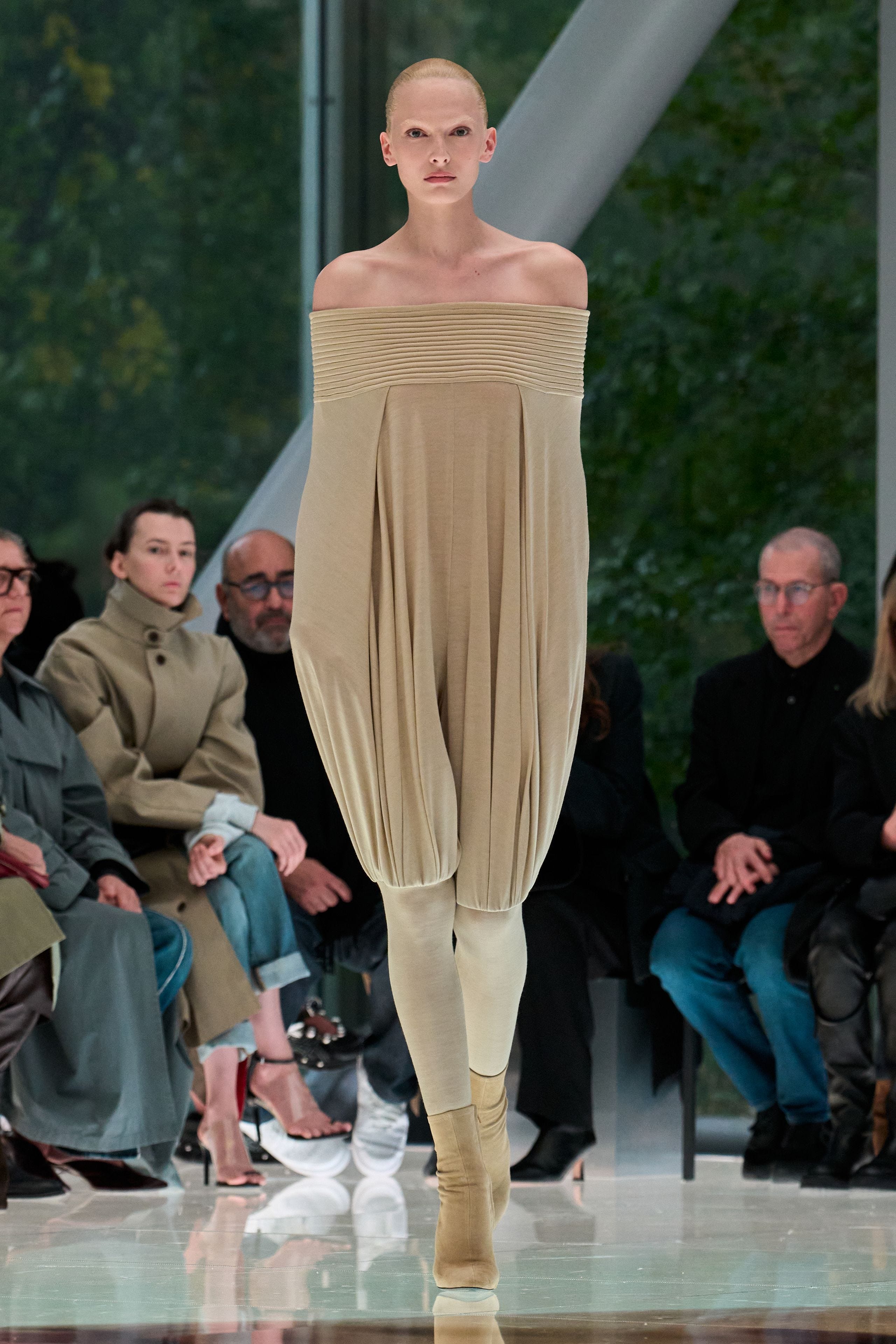
According to Marie Claire, only ten of the thirty-three creative director positions at fashion houses designing for women are held by women, and only two of them are held by women of color. Sarah Burton at Givenchy, Louise Trotter at Bottega Veneta, and of course, Miuccia Prada at Prada and Miu Miu, to name a few. With numbers like that, it’s no wonder the industry’s feminine perspective feels muted.
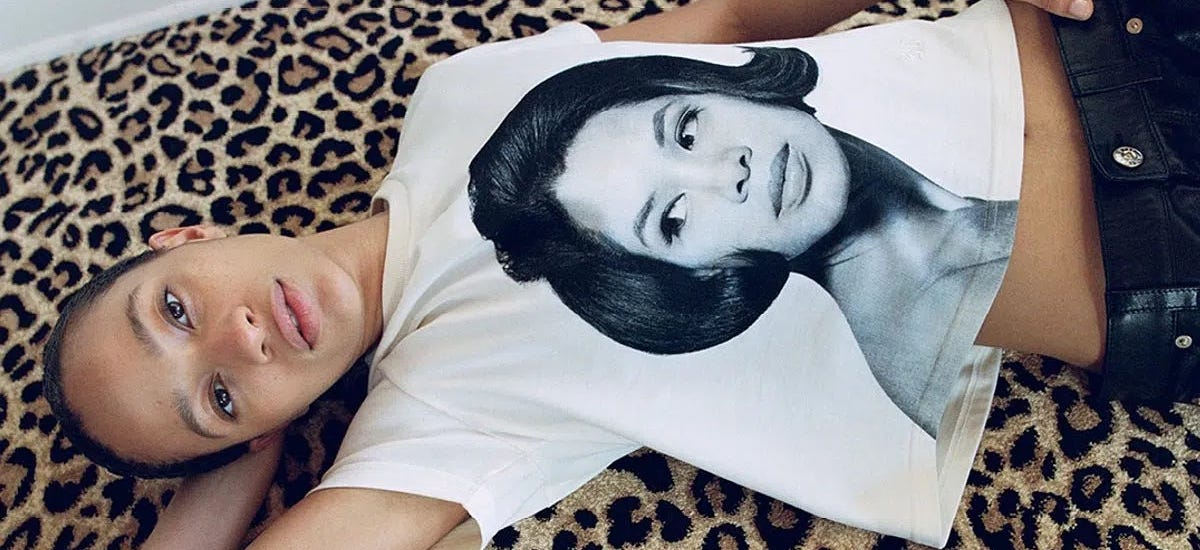
Still, there’s a glimmer of hope. Grace Wales Bonner’s recent appointment as creative director of Hermès menswear is a step in the right direction — one that reminds us just how vital women’s voices are to fashion’s future. Fashion doesn’t need to find women again — it just needs to start listening to them.