


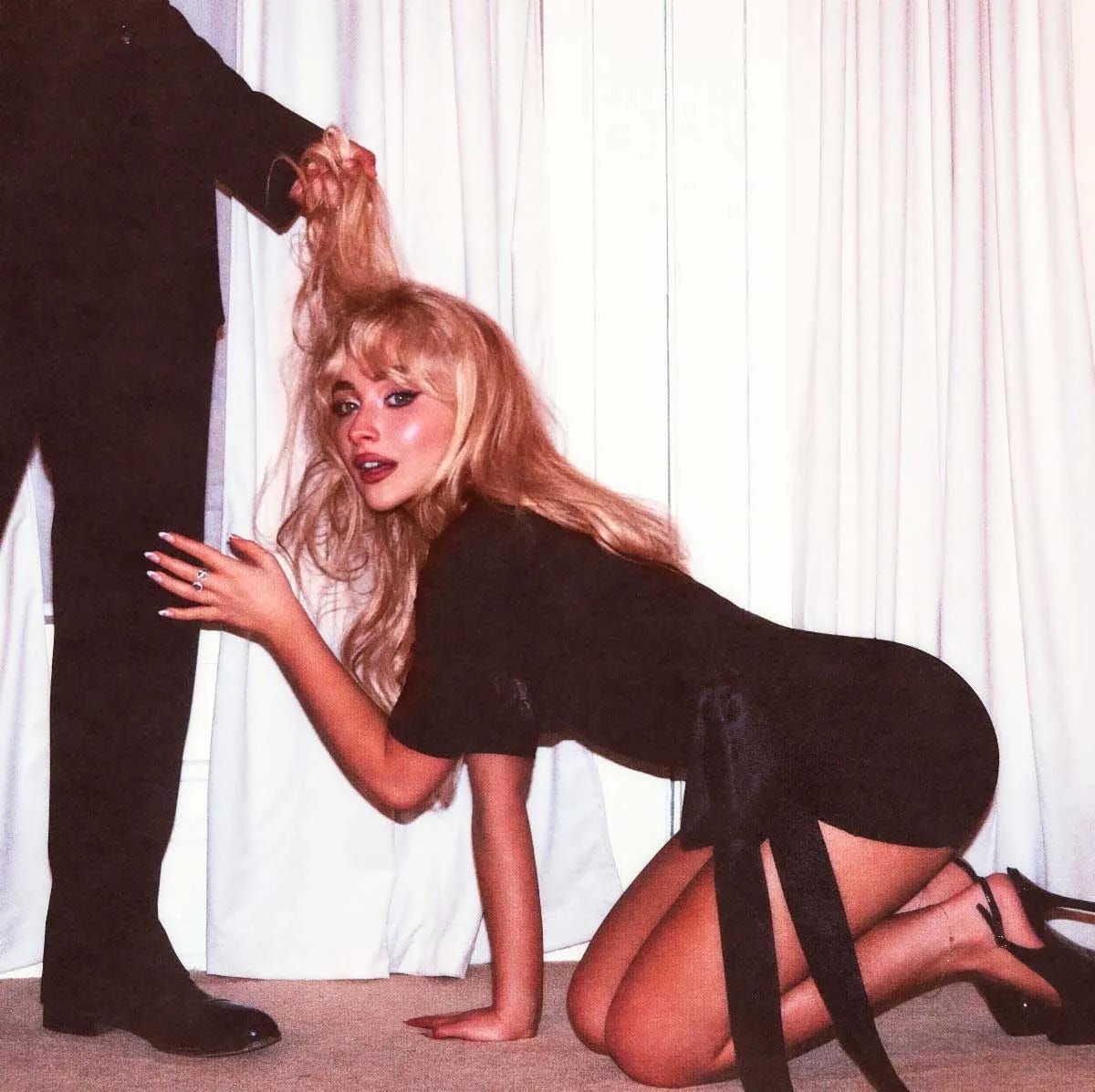
Sabrina Carpenter just released her album, “Man's Best Friend” - you know, that one with the album cover of her on her hands and knees with a man’s hand gripping her hair? The one that critics are calling “regressive soft porn.” But she clapped back during her CBS Mornings interview, in which she told the haters, “Y’all need to get out more.”
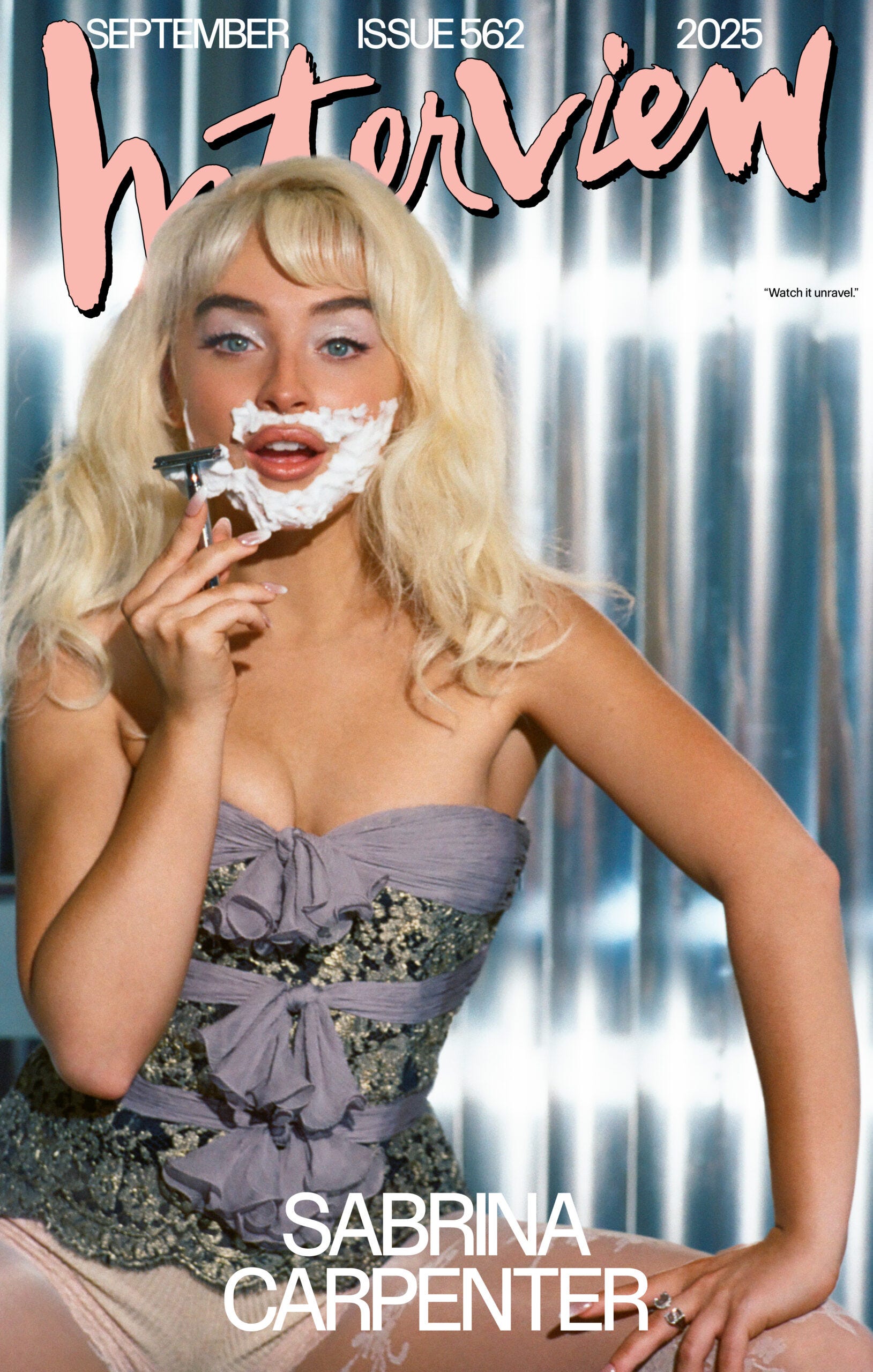
And wow, what a launch - within days she released a music video for her song “Tears” (featuring Colman Domingo as her love interest, no less) and became the cover star of Interview Magazine’s September issue - appropriately titled, “Sabrina Carpenter Is Glad You Like Her Sexual Content.” All in a week. Damn.
The general consensus around Sabrina Carpenter’s album cover and career in general seemed to be that it was “disgusting” and “set women back,” which confused me.
In her CBS Morning News interview, Sabrina Carpenter discussed her album cover, beyond telling the prudes to “get out more,” by describing her intent behind the cover choice as symbolizing being in control of power dynamics, knowing when to be or not to be in control. She framed it as a metaphor of the complexities of female experiences, especially related to sex, rather than a sign of submission to the male gaze.
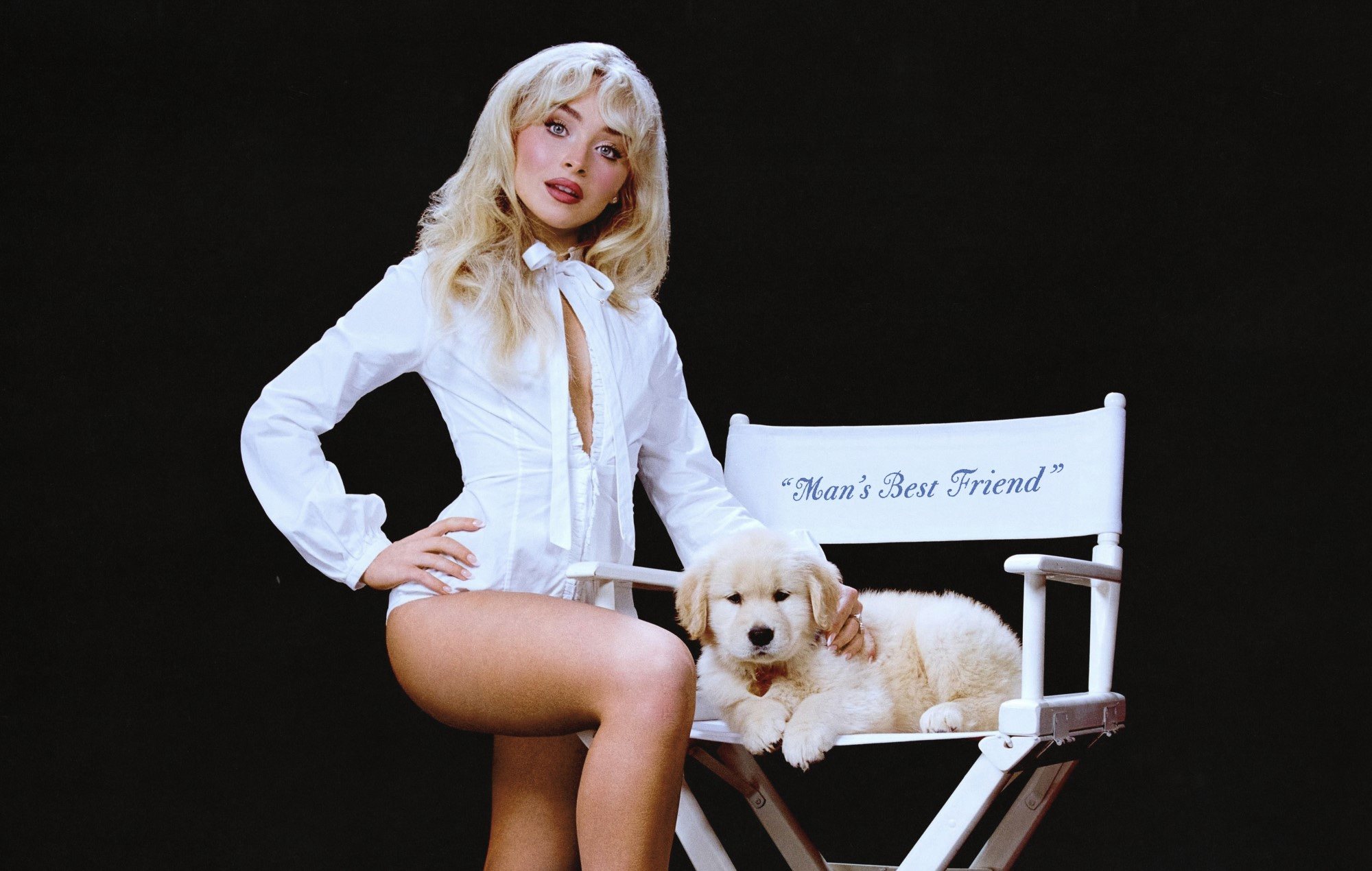
Art is a tricky concept, especially when you’re creating it on a scale like Sabrina Carpenter. You’re making art that is to be seen by the whole world. But art isn’t supposed to make you feel comfortable; it’s supposed to stir up emotions within you. And Carpenter’s cover did exactly that.
Sex is tricky, too. And it’s at the forefront of Sabrina Carpenter’s career. And here’s the problem: some of you are going to think that that’s offensive or diminishing or egregious. But you couldn’t be more wrong. Everyone has the right to (without harming anyone else) embrace themselves and their interest through their art - and Sabrina Carpenter’s interests may lie in getting her hair pulled, being tied up, or being sexually glorified. And that isn’t a bad thing. In fact, it’s more normal than people make it out to be.
This all feels very reminiscent of Madonna’s 1992 album, “Erotica.” The sexually explicit album was accompanied by an even more explicit book, conveniently titled “SEX.”
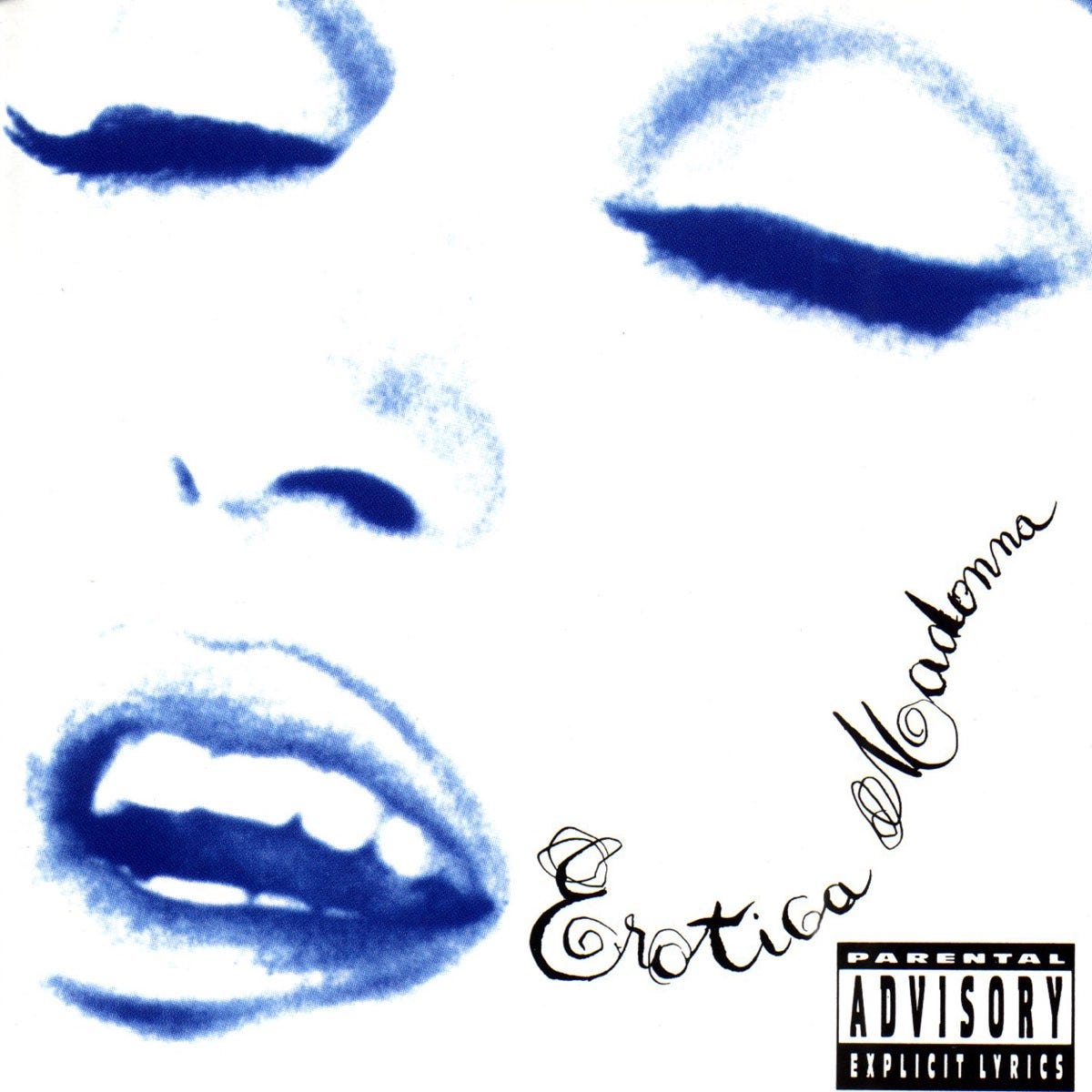
Believe it or not, the difference between Madonna and Sabrina Carpenter’s experiences with sexuality in music and the media is the level of eroticism within their art (if you think Sabrina’s is bad, ‘90s Madonna makes it look tame), and their reaction to backlash: in fact, I think that Madonna said it best in 1992 for MTV News:
“The most important thing is that I say the things I want to say in my music, or whatever expression that may be, whether that's writing a book, or writing songs, or acting, or whatever. The most important thing is that I feel fulfilled as an artist, and ultimately, what the world gets out of it, what they choose to see, I can't control it or predict it. Of course, I always hope that they will see that and get past what they consider the scandal, or the imaging. That's something the media has created. I have absolutely no control over the media. I only have control over what I do as an artist. If I say what I want to say, then I have fulfilled myself.”
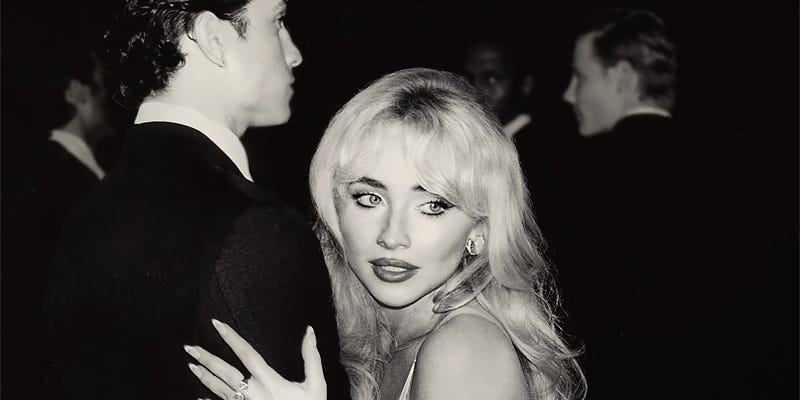
I hope that Sabrina Carpenter and other artists can lean into Madonna’s mindset and fight for their art. This feels like the start of Carpenter’s boldest era yet - one where she refuses to play it safe and instead claims her sexuality as part of her power. And honestly? I couldn’t be happier about it.