


Vivienne Westwood is the godmother of fashion, but what is a mother without her children? And the “punkiest”-iest one of them all may be Jordan. She wasn’t just adjacent to punk; she helped invent it. Surrounded by and becoming a muse to the likes of Westwood, Malcolm McLaren, and The Sex Pistols, Jordan stood at the very front of the revolution.
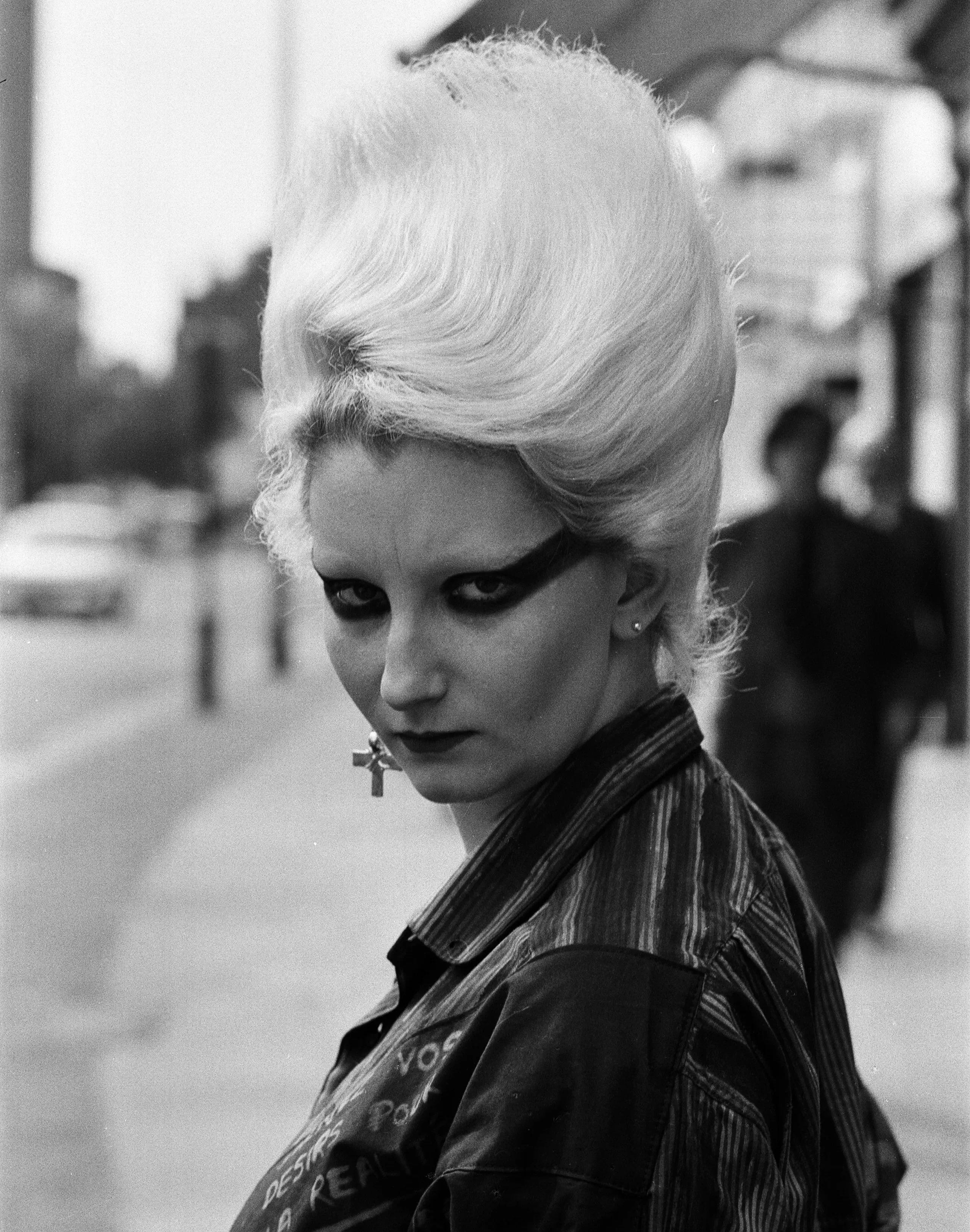
Jordan — born Pamela Anne Rooke — was born in 1955 in Seaford, East Sussex. She was never one to stick to the mold, already disruptive of mainstream, conservative ideals through her style as a teenager. She repurposed secondhand clothes, experimented with beauty, and continuously dyed her hair (which eventually got her expelled from school at 14). At the same age, she gave herself a new name: Jordan. It was a deliberate act of self-reinvention and rebellion at an age when most kids are still trying to blend in. She was the OG punk before punk was even called punk.
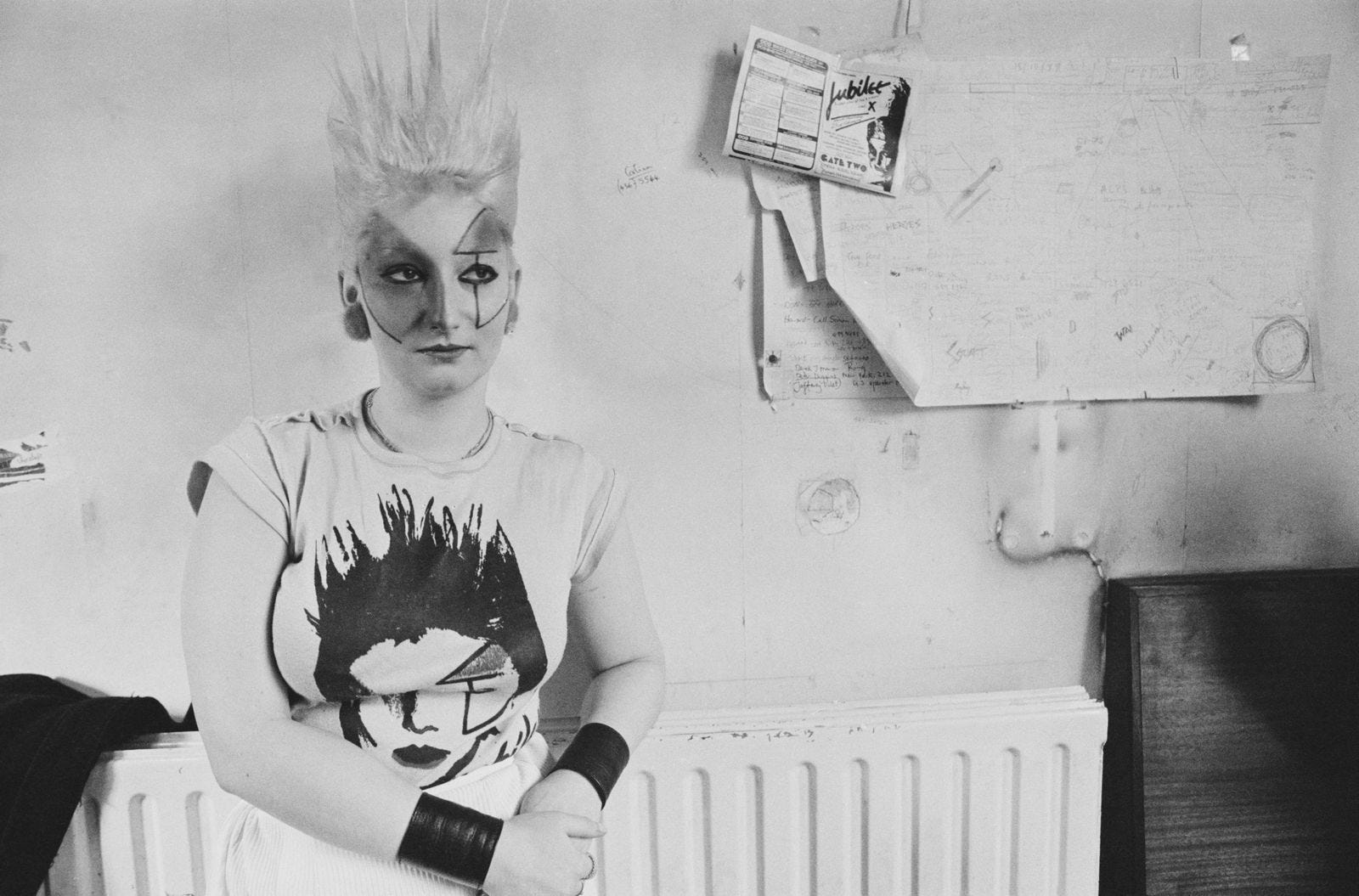
Come the 70s, she made the move from her hometown to the big city of London, abandoning her conservative upbringing for a world of fashion, art, music, queer culture, and what might genuinely have been some of the greatest nightlife of all time. Around this time, she walked into 430 King’s Road, a boutique called SEX (at the time). In gold stilettos and a towering platinum bouffant, she left a lasting impression on the shop’s owner, Vivienne Westwood.
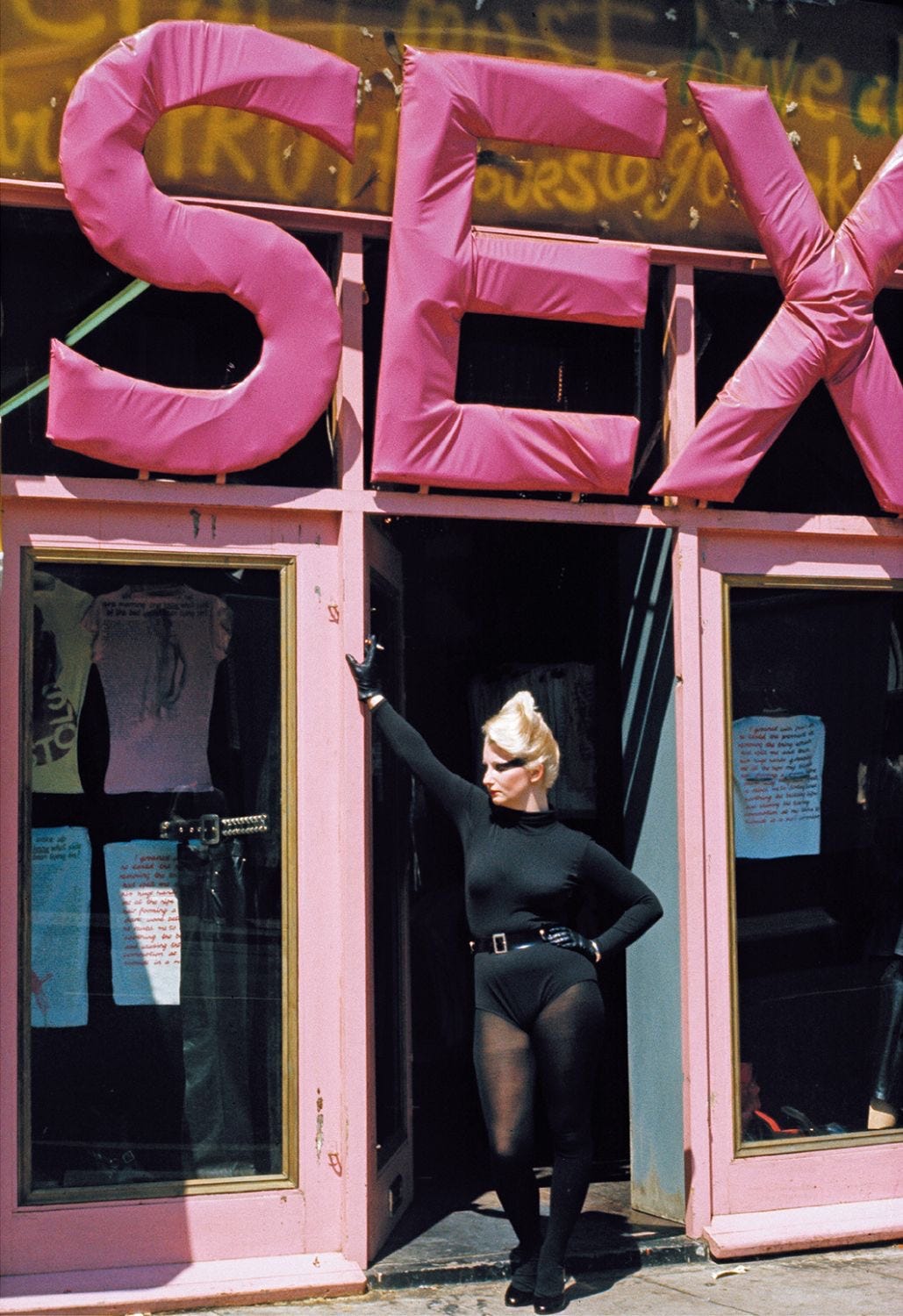
By 1974, Jordan started working at SEX, essentially becoming the face of the storefront and the living mannequin for Westwood and McLaren’s creative designs. She wasn’t the friendly “can I help you?” type. The idea of approaching her was intimidating; most people didn’t. They’d silently tiptoe up and set whatever they wanted on the counter, hoping that was enough.
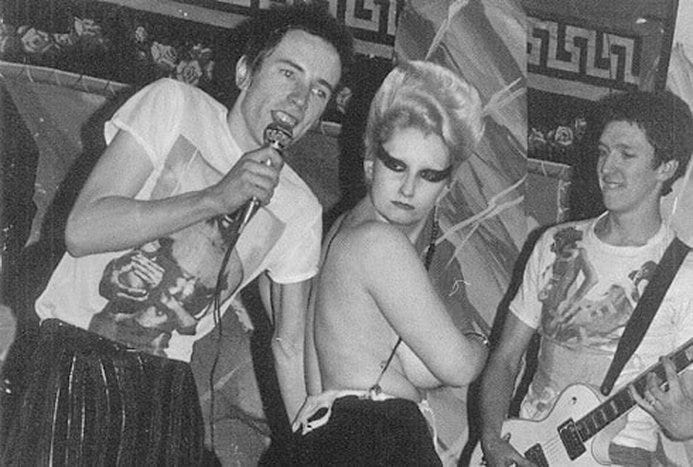
Later, Jordan would become the manager for Adam and the Ants and the wife of bassist Kevin Mooney. Adam has coined Jordan as “the creator of punk rock,” describing how she was “selling it on the front lines.” So true.
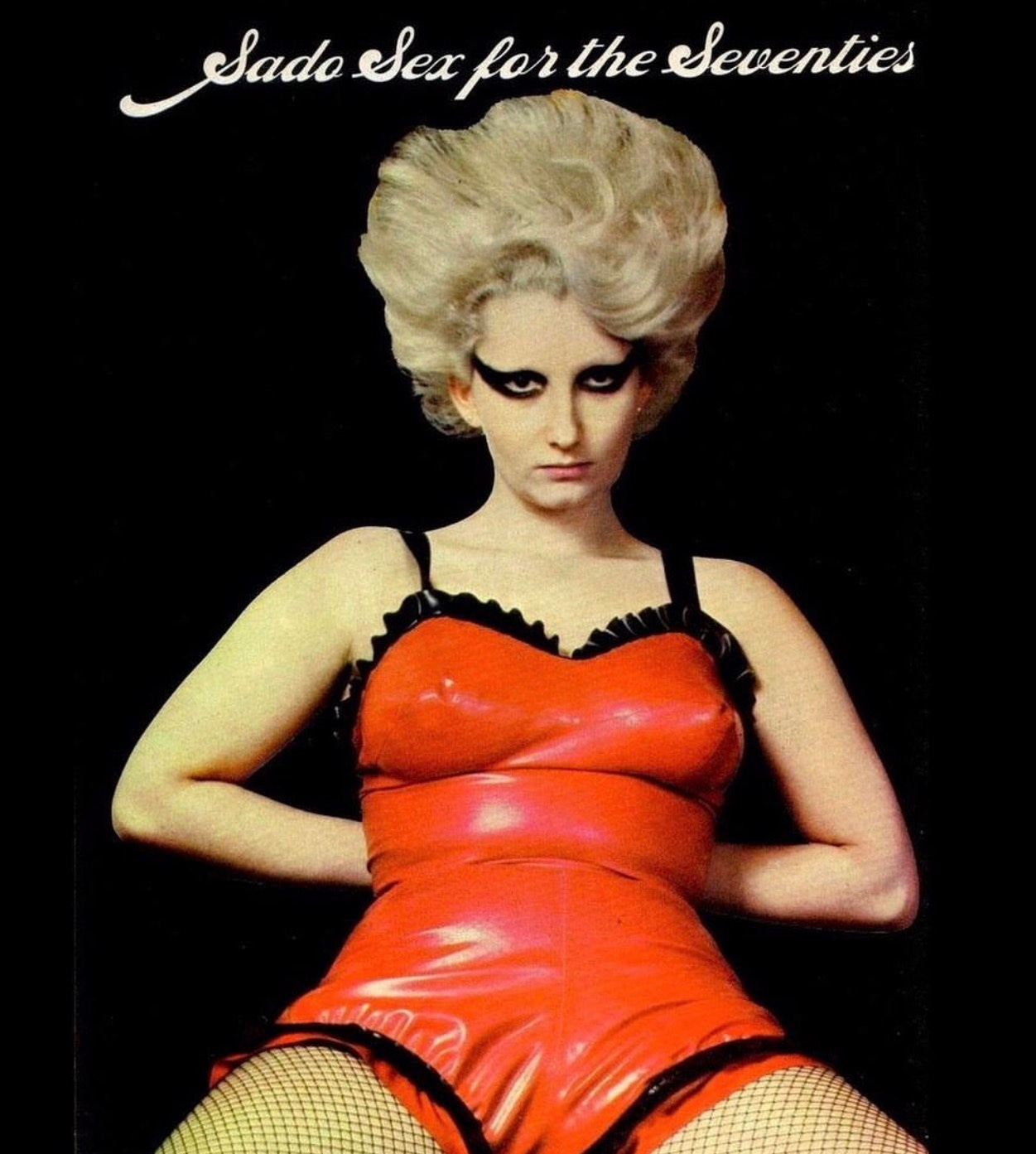
From latex to rubber to bondage to graphic tees, Jordan embraced and embodied Westwood’s most provocative designs. She dragged fetishwear out from behind closed doors and into the broad daylight of London, wearing clothes that made strangers confront sexuality, power, and autonomy head-on. And her outfits weren’t just about the clothes; they were a performance. She refused convention and used style to signify control and self-definition in an era when women, LGBTQ+ people, and anyone remotely alternative weren’t granted much respect to begin with.
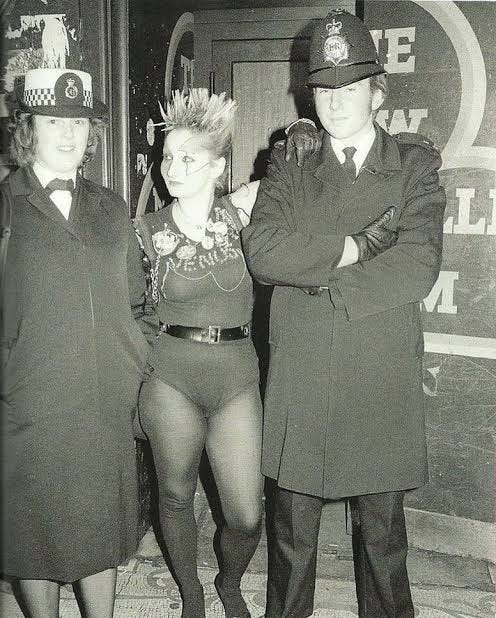
She created a strong, recognizable image for herself. A uniform, of sorts. Her most notable features — a platinum beehive and her heavily exaggerated black eyeliner — would go on to inspire the likes of Amy Winehouse and Julia Fox (whether they know it or not). Iconic.
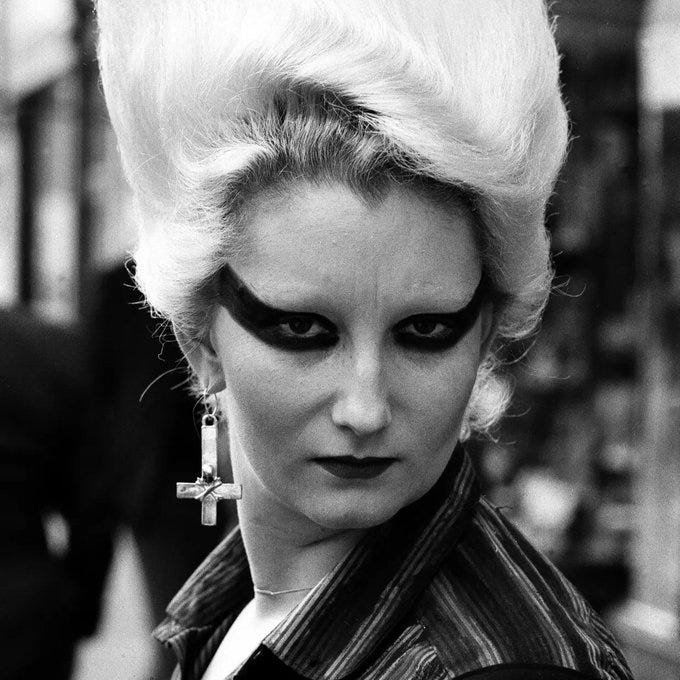
Vivienne Westwood once described her first experience with Jordan as “encountering an icon,” and she was right. Jordan helped show that punk wasn’t just a sound. It was a movement. A beauty look. A line of text across a T-shirt. An attitude.
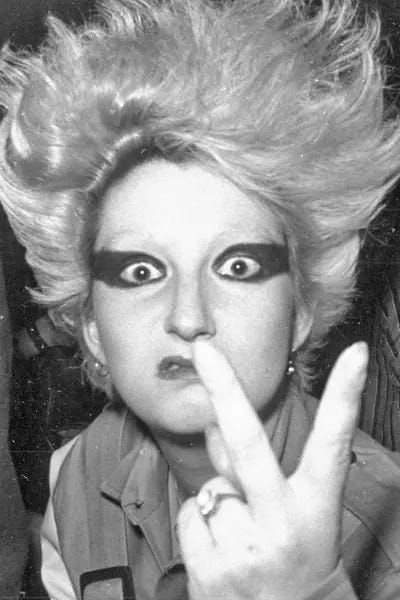
And that might be why I am returning to her now. In a post-Westwood world, as subcultures get flattened through TikTok trends and commercialized by fast fashion, Jordan reminds me that your style can build a world. And that’s inspiring to me, especially now. I don’t want to participate in a landscape that prioritizes “content” over conviction. Jordan makes me want to take style seriously again, to make it genuine, personal, and sometimes unfriendly.