


“I don’t know if there was any deep political kind of undercurrent, except the sort of resistance to the norm. Which I think in a way is political. Sometimes being yourself is the most political act you can ever commit. It’s like saying, no, this is what I am. Unapologetically, I’m queer, and I’m not depressed about it,” said new-romantic legend Boy George in Blitzed: The 80’s Blitz Kid Story.
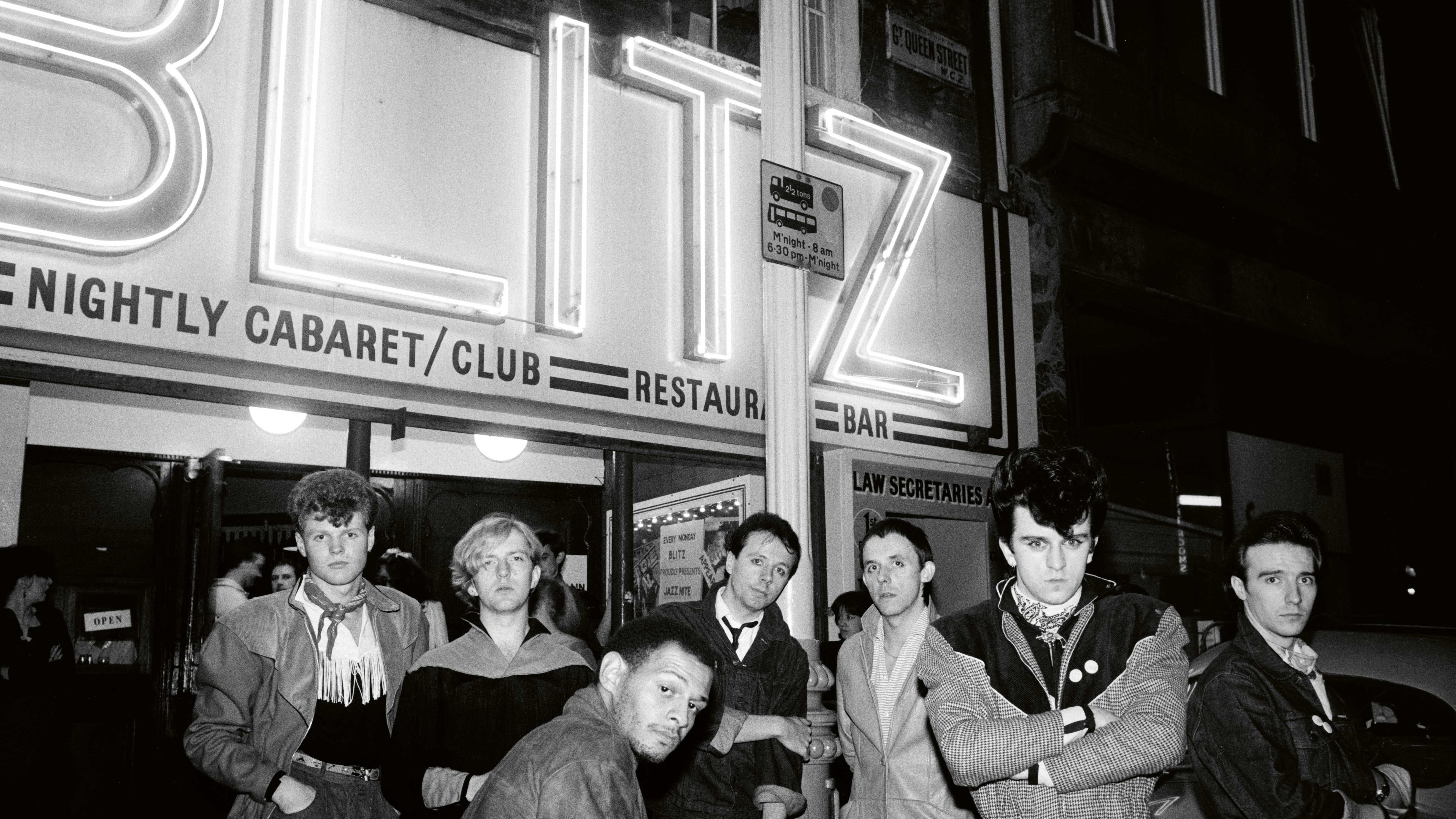
An extension of punk, the Blitz Kids are credited as the creators of the New Romantics movement in the ’80s. It all began at the Blitz nightclub in Covent Garden, London, around 1979–1980. And with the ’80s resurgence happening now — plus modern icons like Chappell Roan and Doja Cat clearly channeling New Romantic energy — it feels necessary to finally give the Blitz Kids their flowers.
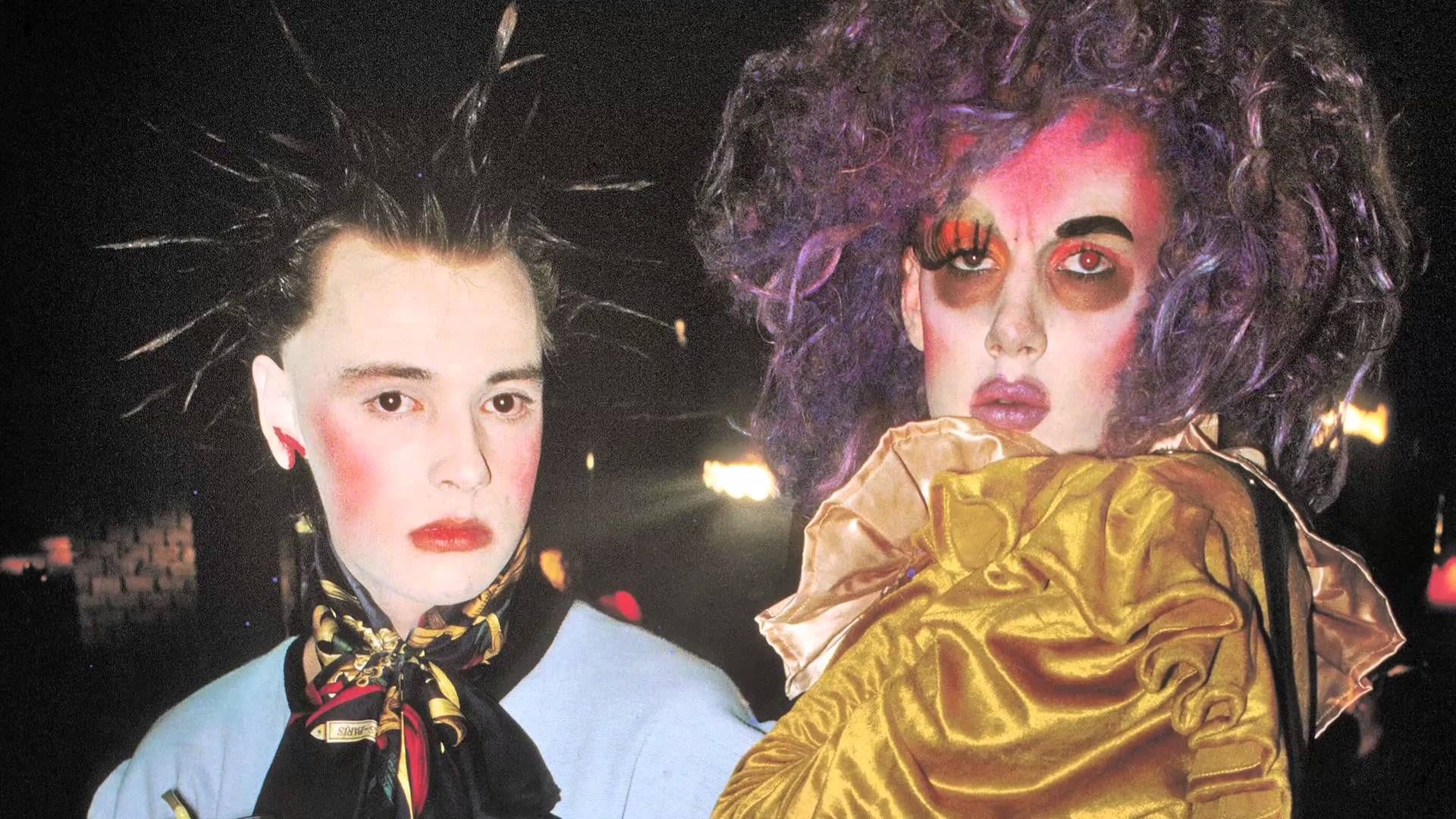
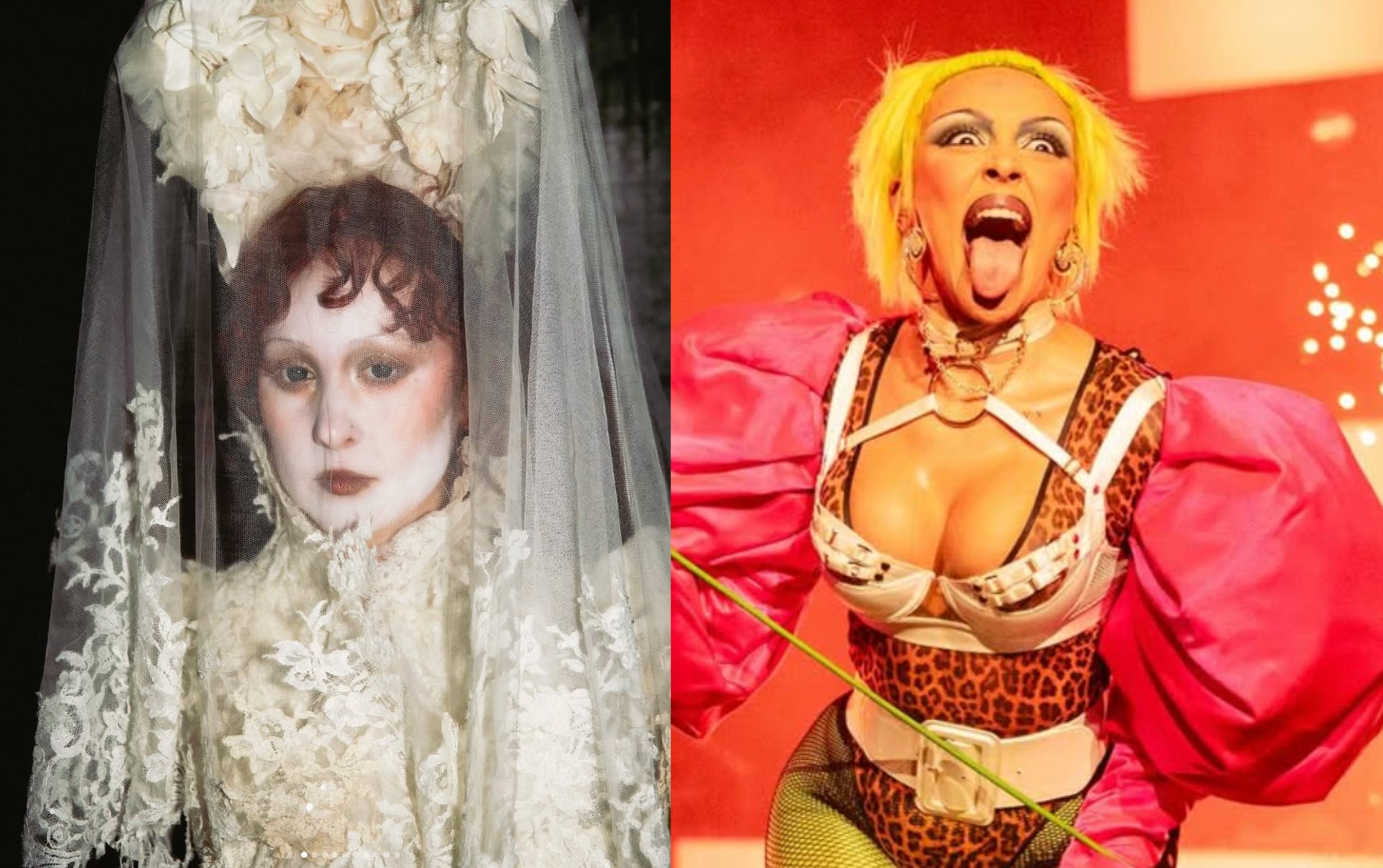
The Blitz Kids were basically the original overdressers. Most of them were young creatives — art students, designers, musicians, kids floating around London’s underground scene — who treated Tuesday nights at the Blitz like a full-on performance. People showed up in wild, handmade, androgynous outfits inspired by whatever was living rent-free in their minds. As Chris Sullivan said in Blitzed, “We wore our influences on our sleeves.”
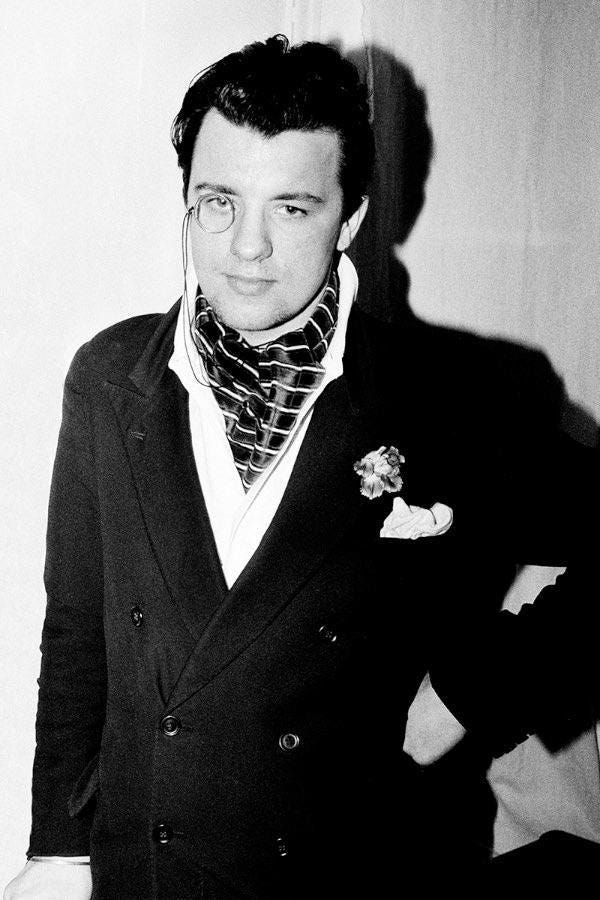
With Sullivan as the resident “gaucho” and occasional Frank Sinatra, Marilyn as the house Monroe impersonator (obviously), and Steve Strange resembling an over-the-top French mime, everyone’s look became a character. Each outfit was curated, intentional, and unlike anything you’d see on the streets outside.
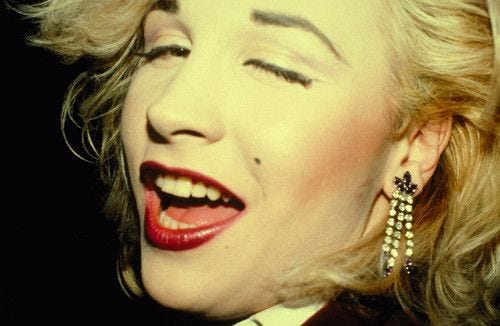
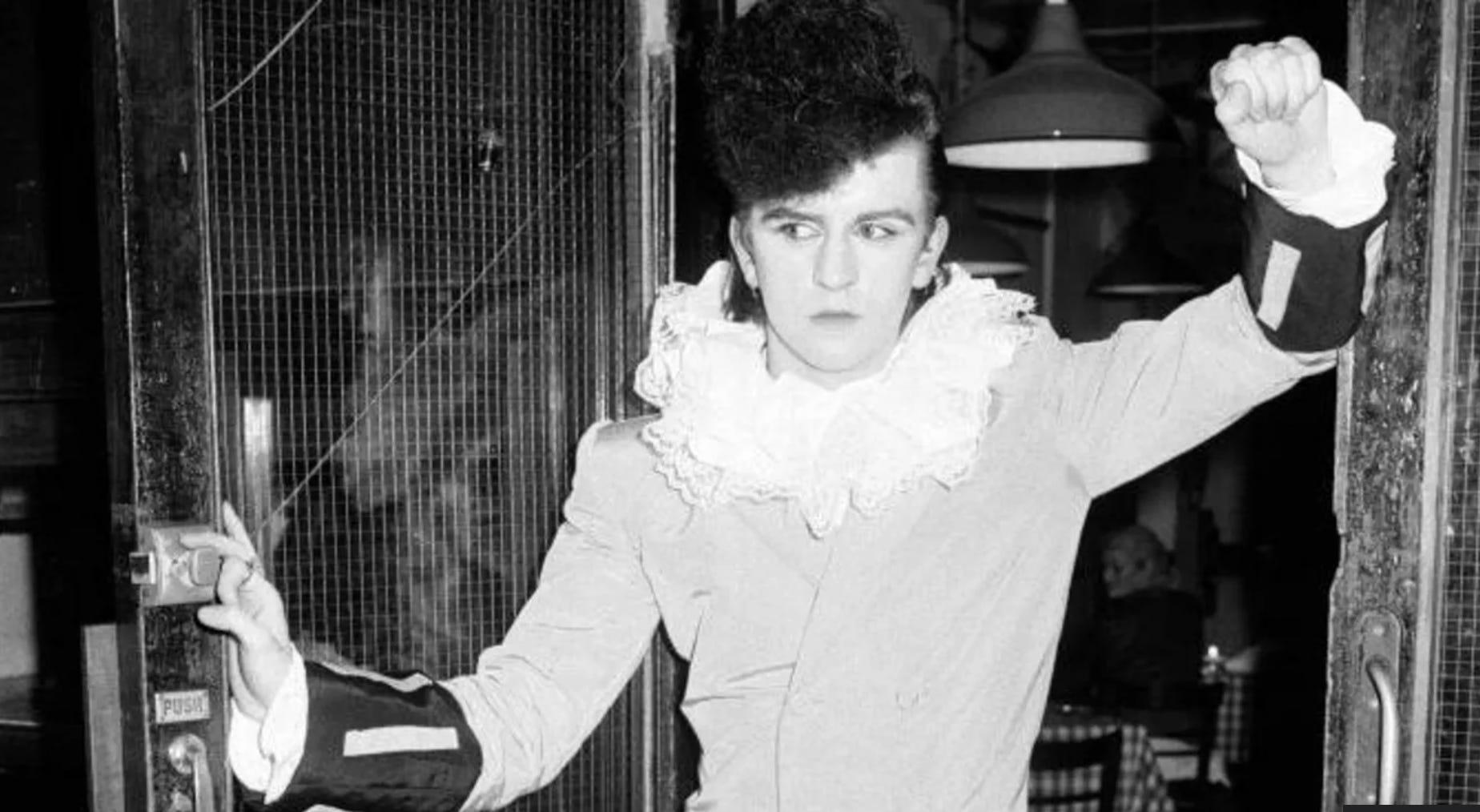
It wasn’t about “going out.” It was about arriving as your own creation.
A few names became icons: club host Steve Strange, DJ Rusty Egan, and regulars like Boy George — before he was Boy George. Designers such as Stephen Jones and John Galliano were essentially using the club as a test track, showing off pieces that would never be spotted in mainstream London.
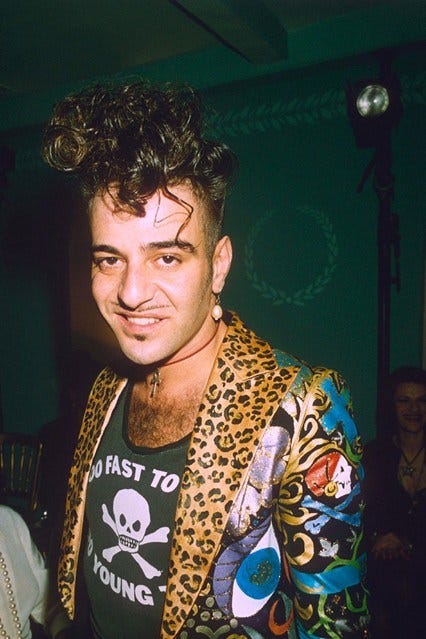
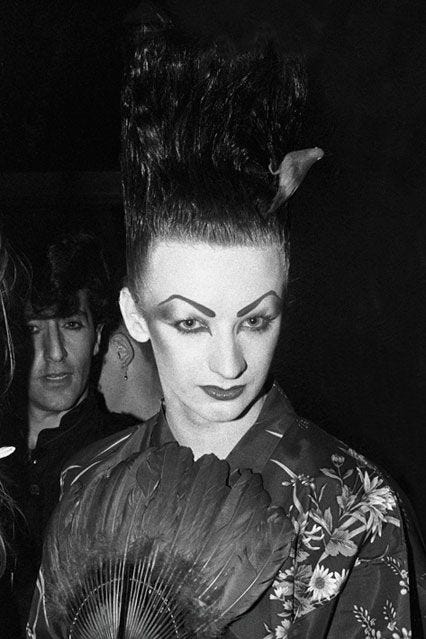
The Blitz had a famously tough door — but not in a “The Box” way (iykyk). You only got in if your outfit was original enough. Money didn’t matter. Status didn’t matter. The look was the ticket. Steve Strange even turned Mick Jagger away because his outfit wasn’t unique enough.
That kind of pressure created a style competition — like the first day of fashion school on steroids. Bigger makeup. Sharper silhouettes. More drama every single time you showed up.
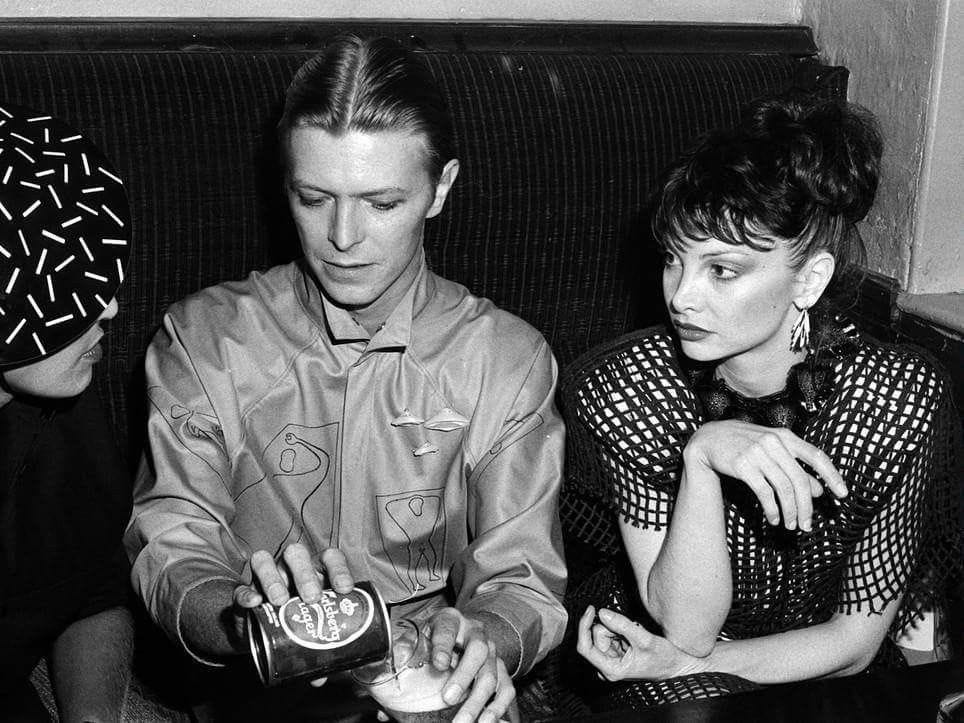
Inside, the music was a mix of Roxy Music, Bowie, early electronic experiments, plus first looks at bands like Spandau Ballet and Visage. The club ultimately became the birthplace of what we now consider the New Romantic sound: synth-heavy, moody, glamorous.
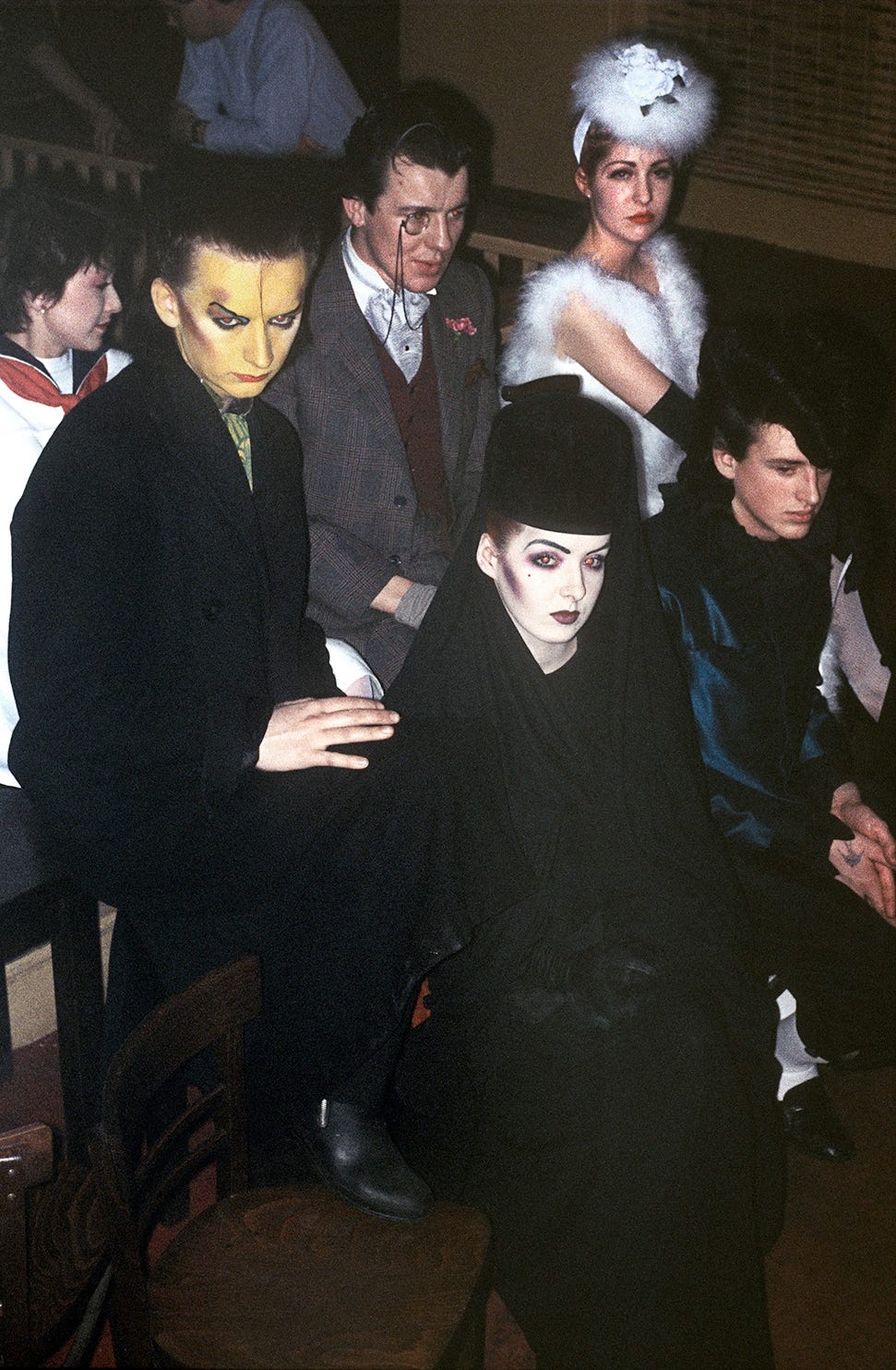
Once the media caught sight of how extreme and theatrical the Blitz crowd looked, they dubbed them the “Blitz Kids.” Suddenly, this tiny club scene was influencing the entire UK — and eventually the world. Their style seeped into mainstream fashion, music videos, and collections from major designers. Looking back, the Blitz helped define that early-’80s British pop aesthetic: big hair, sharp shoulders, chunky jewelry — all the things we’re seeing again today.
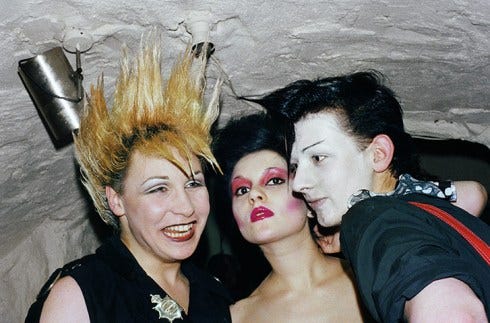
The Blitz Kids are another prime example of culture and trends that started in the queer community — rooted in embracing individuality and refusing to shrink. I can’t help but feel a little envy for them. The joy they must’ve felt in a room together, listening to new music, wearing the wildest outfits imaginable, talking about art, all without phones. And unknowingly building a movement that would shape fashion, music, and pop culture for decades… that’s pretty legendary.