


Well, tonight’s the night, babes. The night where people like you and me sit on the couch in our sweats and critique the looks of celebrity attendees: the Met Gala.
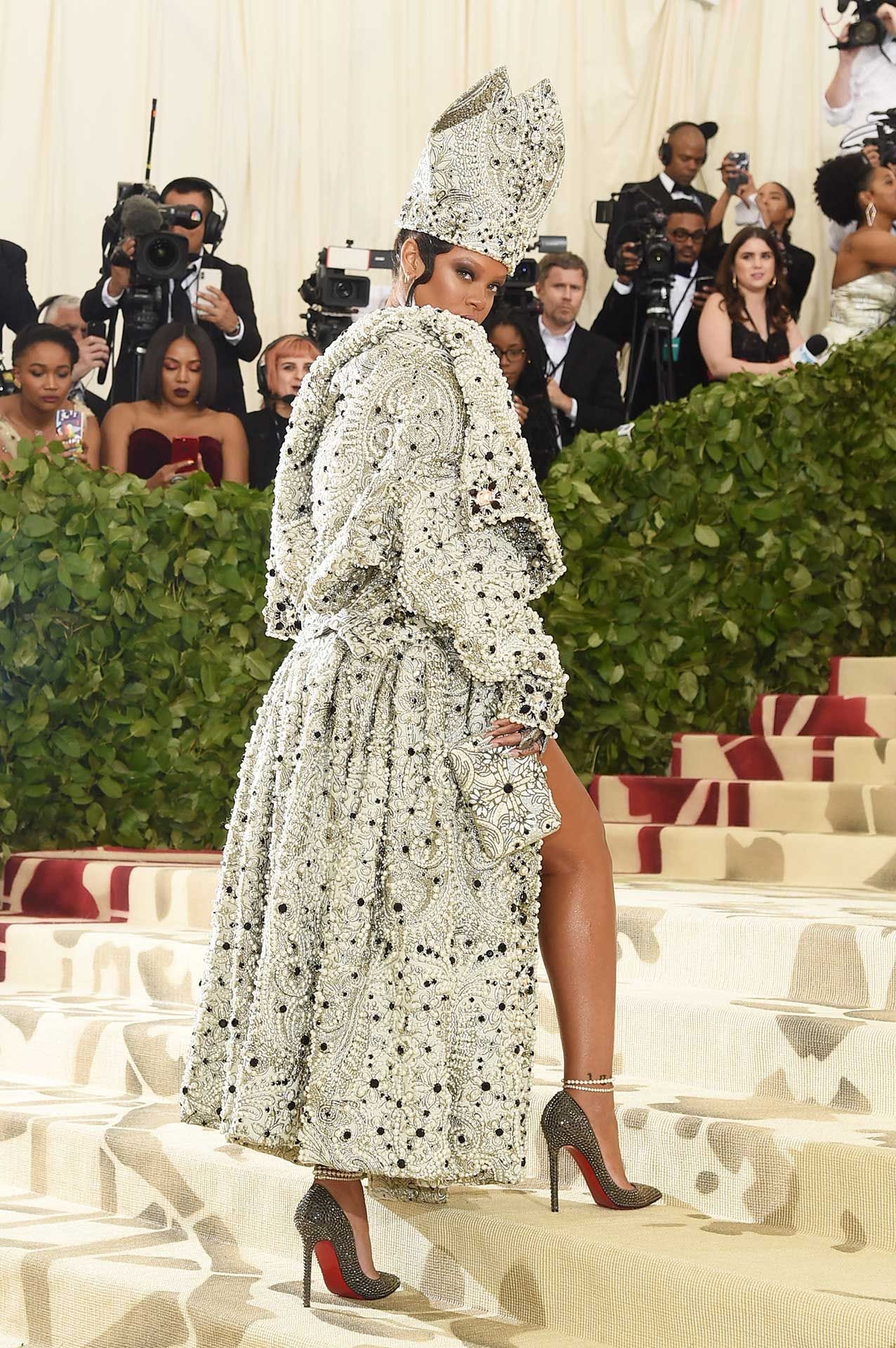
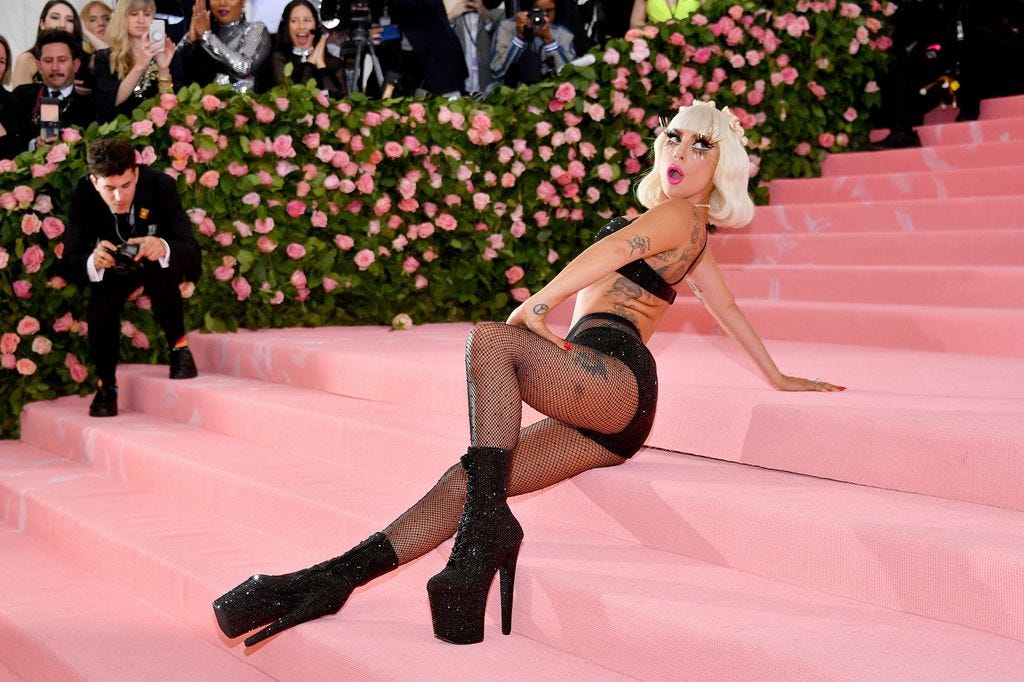
Every year, the night’s theme sets the tone for how designers and celebrities show up on the red carpet. We’ve seen everything from religious inspiration (Heavenly Bodies) to over-the-top irony (Camp). But the 2026 theme, Costume Art with the dress code Fashion Is Art, feels different. It’s more direct (while still being incredibly broad), more conceptual, and honestly, way more interesting.
Because at its core, this theme is doing something the Met Gala has always circled around but never fully confronted: the intersection of fashion and art.
And that intersection? It gets a little messy.
For centuries, fashion has been treated as something beneath art. It’s been labeled “decorative,” commercial, tied to the body and trends, while painting and sculpture were positioned as intellectual, timeless, and museum-worthy. The question of “is fashion art?” has been debated forever – by designers, artists, scholars, and people like you and me – and still, there’s no real answer.
But what’s interesting about this year is that the Metropolitan Museum of Art and Condé Nast are finally attempting to answer that question.
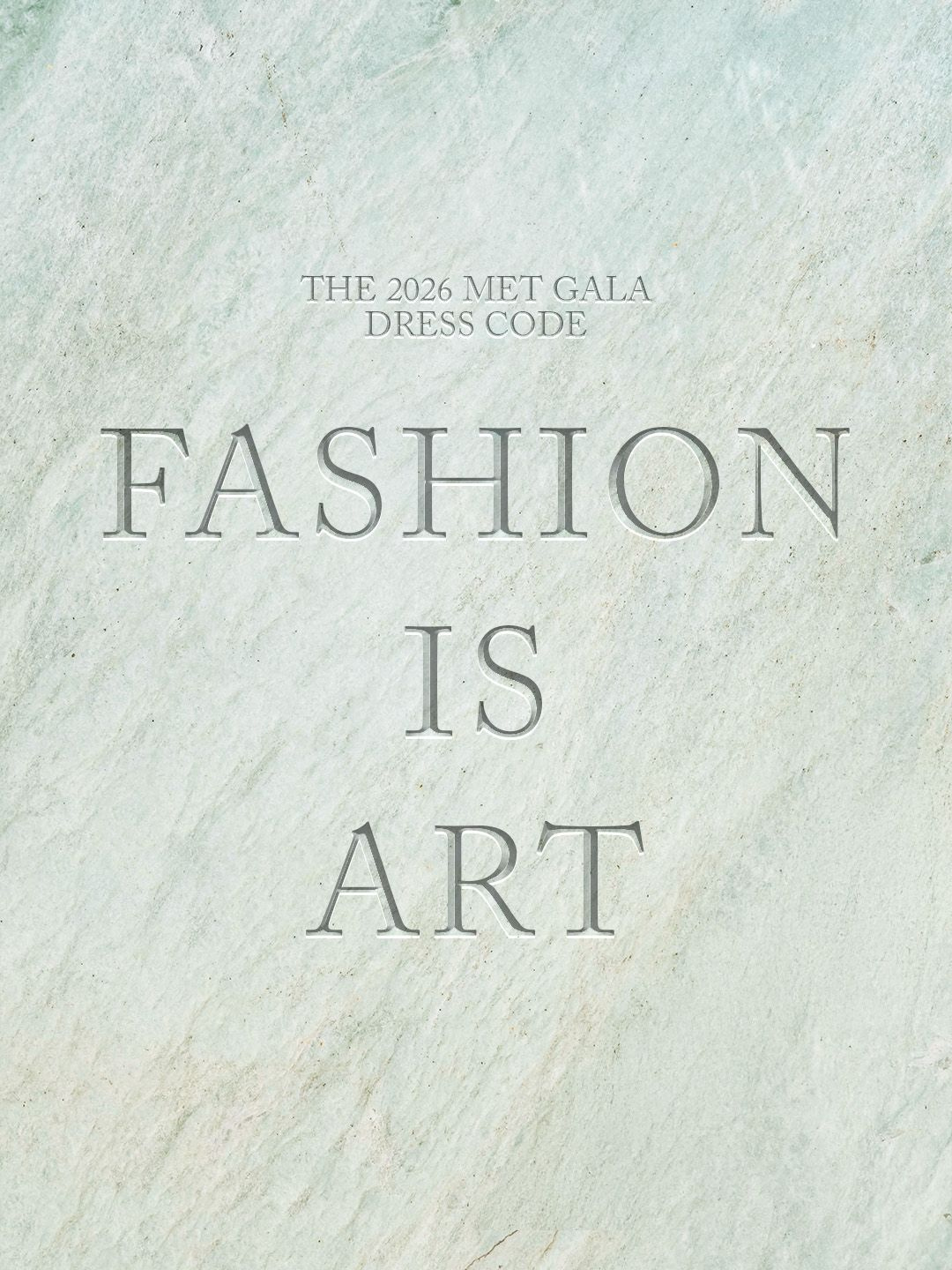
Because this time, the dress code literally says it: Fashion Is Art.
Not “fashion as art.” Not a comparison, not a suggestion. A statement.
Instead of preserving the tension between the two, this theme dares designers to collapse that boundary and present garments that don’t just resemble art, but insist on being read as art. It pushes fashion out of the “decorative” category and into something more conceptual, more intentional, more worthy of being looked at the same way we look at paintings or sculpture.
And you can already see that in how the exhibit is being framed. In sneak peeks, garments are displayed the same way you’d display sculpture: elevated, isolated, dramatic. They’re removed from consumer usage and turned into objects of thought. But they’re still fashion – still tied to the body, to movement, to wear.
It’s less about proving they’re the same thing, and more about asking: what happens when art fully claims fashion?
Onto the night’s theme...what exactly is “costume art?”
Costume art is the practice of treating clothing as a form of artistic expression, where garments are designed and worn as living, expressive works of art rather than just something to wear. It’s about the dressed body becoming a canvas, where the person isn’t separate from the look, but part of the artwork itself. The garment shapes identity, conveys emotion, and transforms the wearer into something else entirely: a character, a concept, a moving installation.
So when the Met says “Costume Art,” it’s not just asking for dramatic outfits – it’s asking for fashion that can stand on its own as art, both visually and conceptually.
Now, let’s break down the dress code, “Fashion Is Art.”
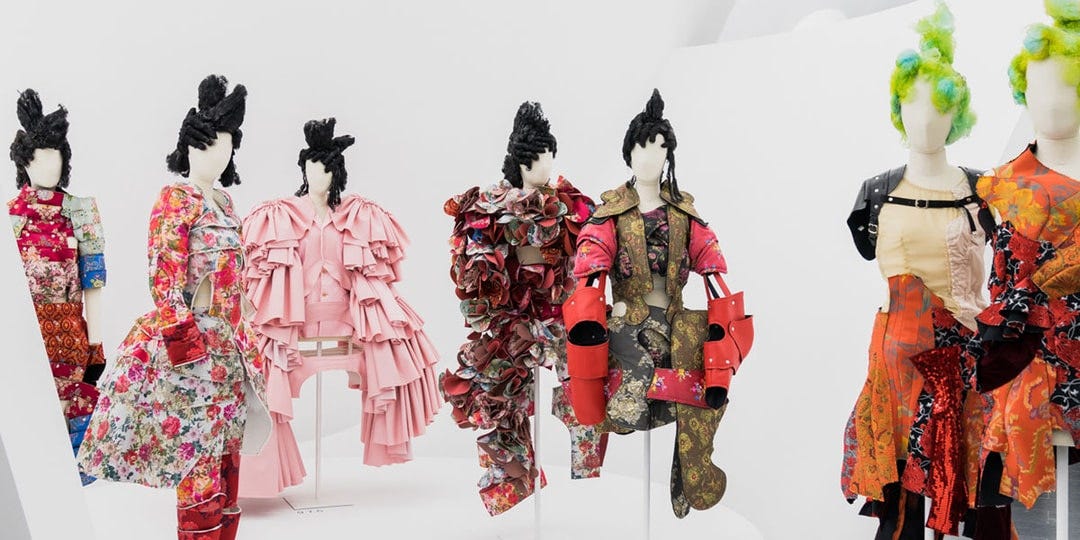
This is where things get really fun, because there are so many ways designers can interpret this theme. One major direction is fashion as sculpture, where the focus is on shape and structure, with garments that transform the body into something architectural or abstract. Designers like Iris van Herpen and Rei Kawakubo at Comme des Garçons create pieces that feel more like wearable sculptures than clothing.
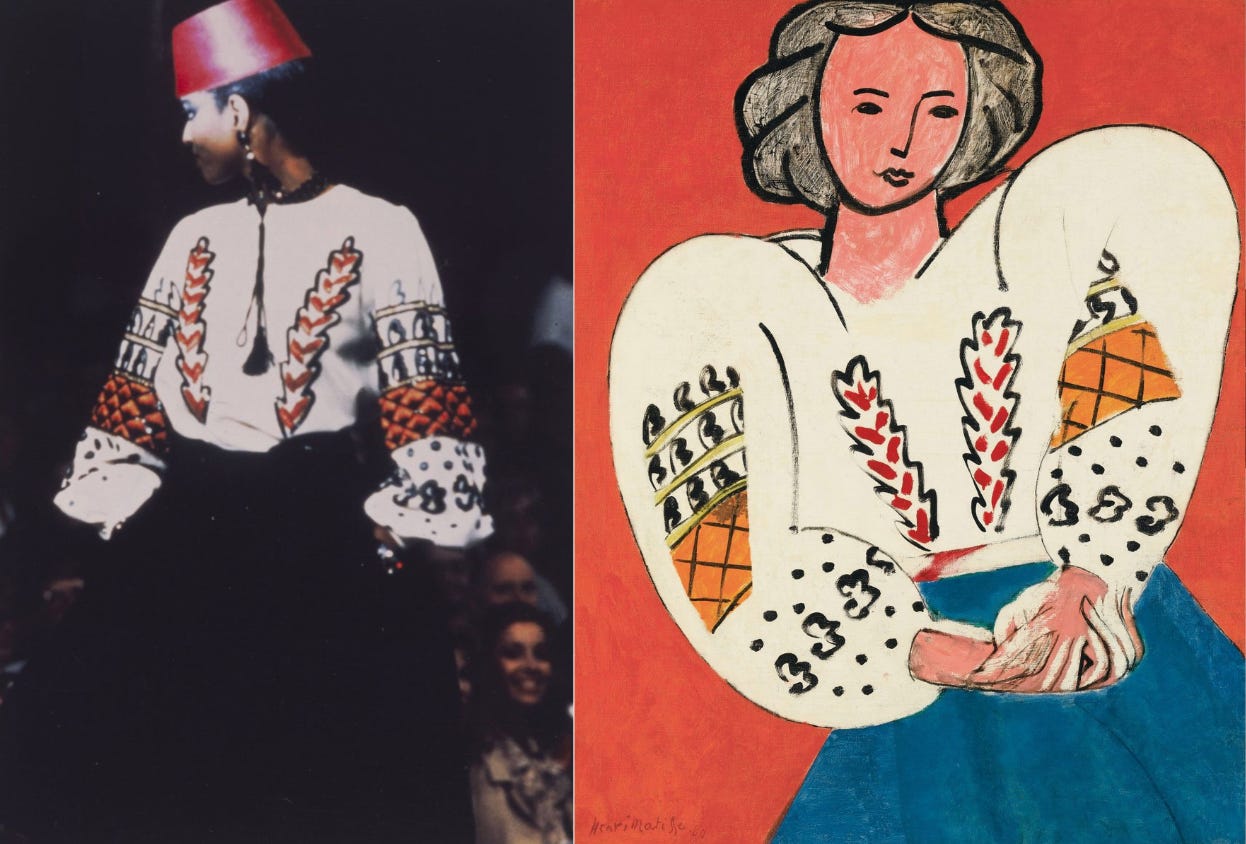
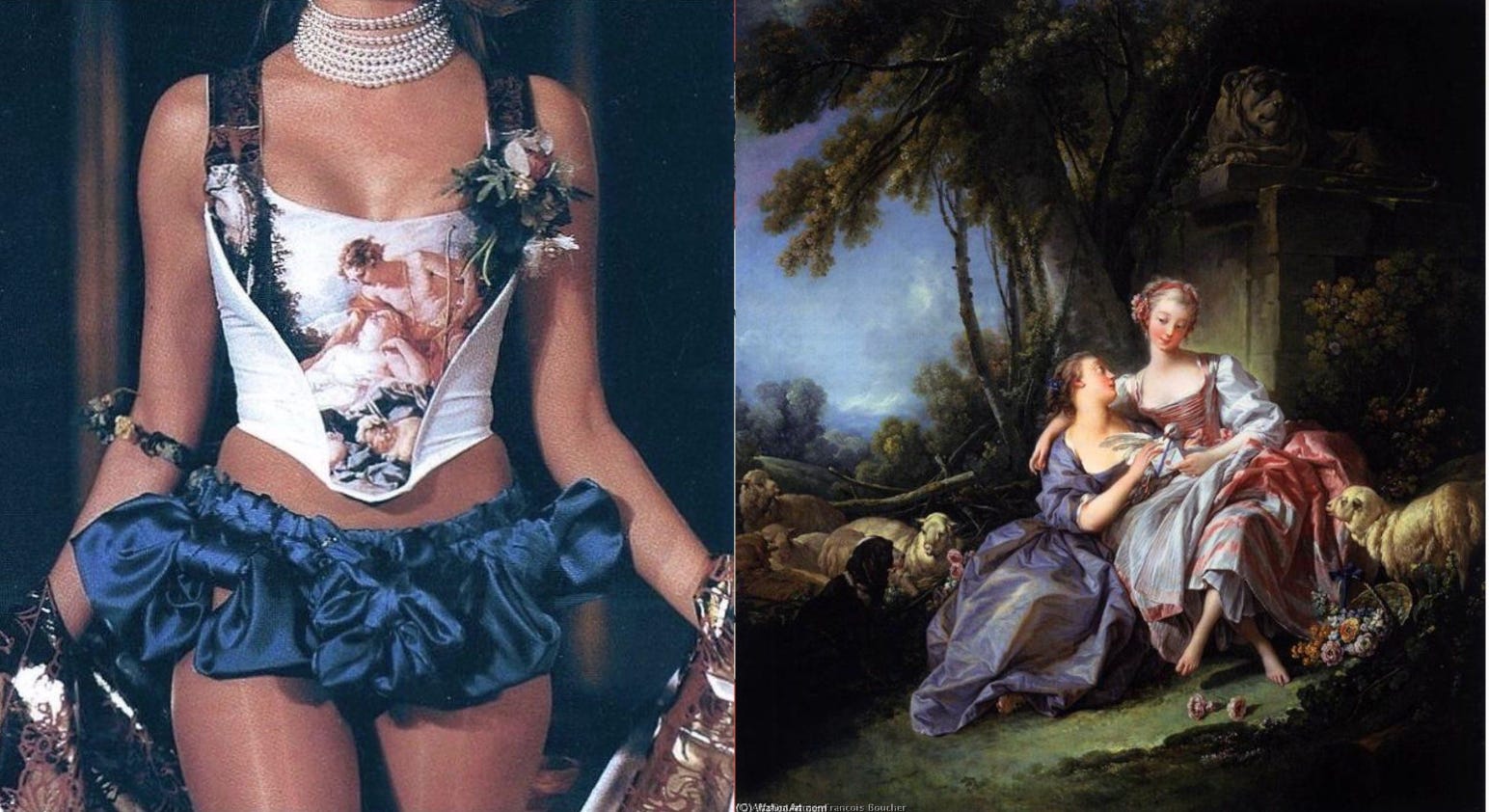
Another direction I expect to see people go toward is fashion as painting, where clothing becomes a canvas, and the body carries the artwork. Think garments like Yves Saint Laurent’s 1981 La Blouse Roumaine, translating Henri Matisse’s visual language into clothing, or Vivienne Westwood’s 1990 Portrait collection, which reworked François Boucher paintings into corsetry and dresses. But it also goes beyond references – sometimes the garment is the painting, like the silk-painted dresses under Karl Lagerfeld at Chloé that blur the line between fabric and painted surface.
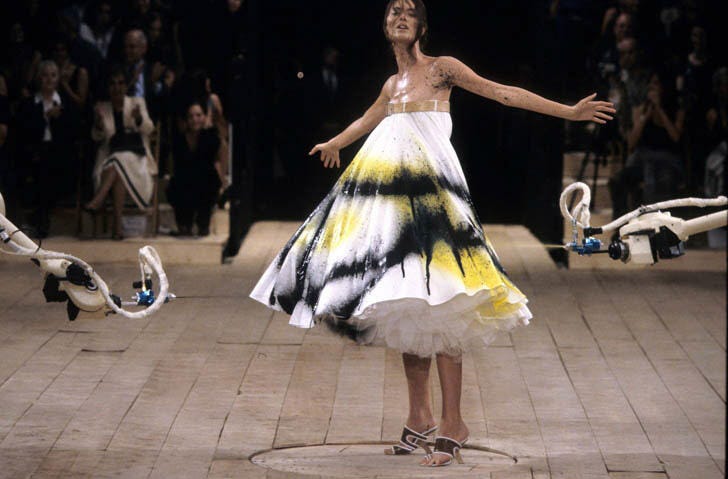
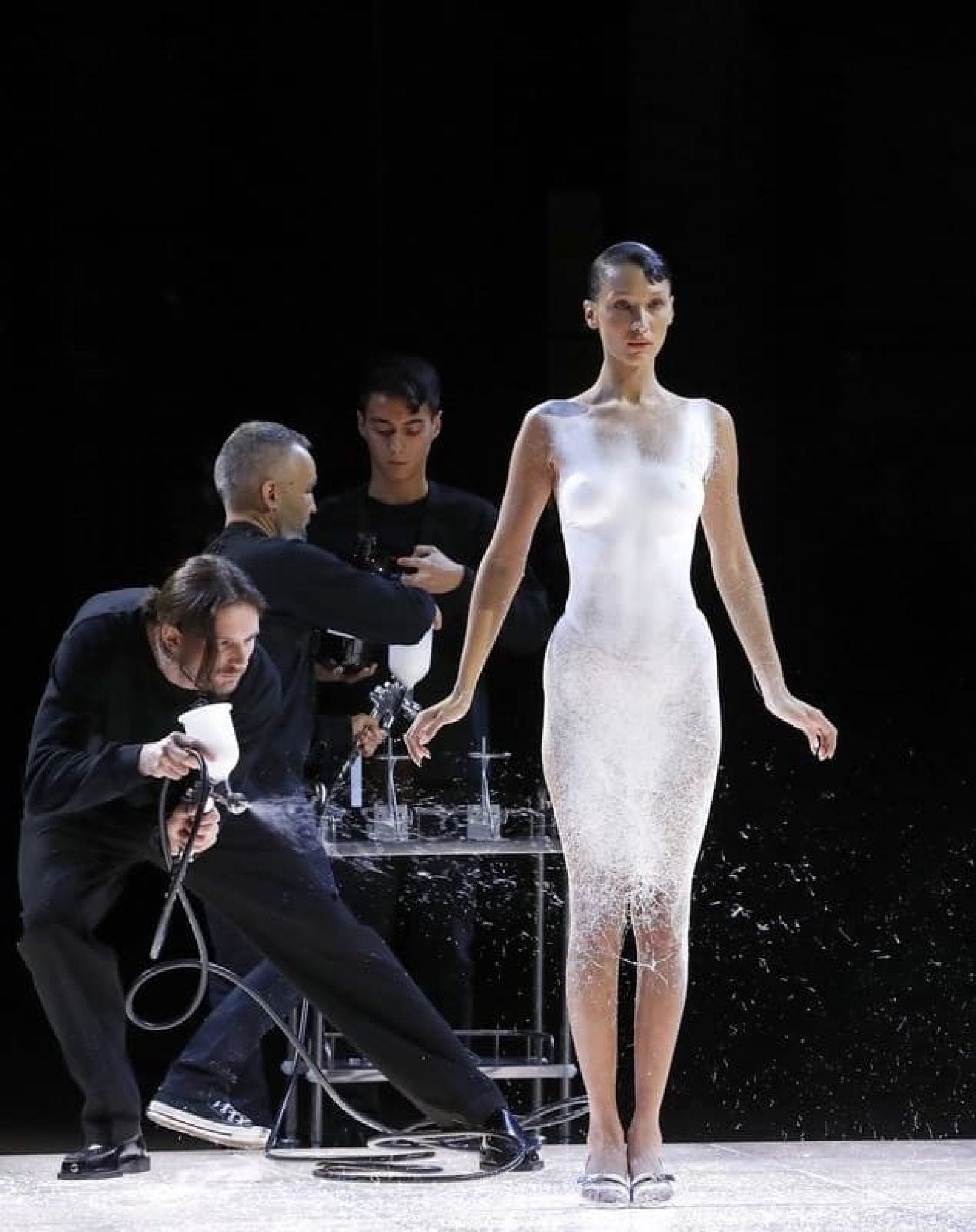
Fashion as performance is where things become fully alive. Alexander McQueen’s Spring/Summer 1999 spray-painted dress and Coperni’s Spring/Summer 2023 spray-painted dress with Bella Hadid both turned the act of dressing into live performance, making the garment part of the artwork itself.
What we’ll likely see on the carpet is a mix of all of these – sculptural forms, moving canvases, performance pieces, and hopefully lots of archival references. And the best looks won’t just be the prettiest – they’ll be the most conceptually tight. The ones that don’t just look like art, but fully commit to the idea that they are art.
And I’ll be honest...when it comes to judging Met Gala looks, I’m a stickler when it comes to theme. The look could be incredibly minimal, but if the reference, the story, the connection to the theme is there in a way that I love…I’ll be happy. And vice versa – the look could be the most gorgeous thing I’ve ever seen, but if it’s not on theme? I’m annoyed.
Because that’s what makes the Met Gala fun. It’s not just about beauty, it’s about interpretation.
So tonight, while we’re all sitting there judging, the real question in my head won’t just be “do I like it?”
It’s: “does it understand the assignment?”