


I’ve always been jealous of the generations before me who grew up with music videos on MTV. I mean, I’ve been watching music videos on my television all of my life, but you’re telling me there was a whole channel for it at one point?
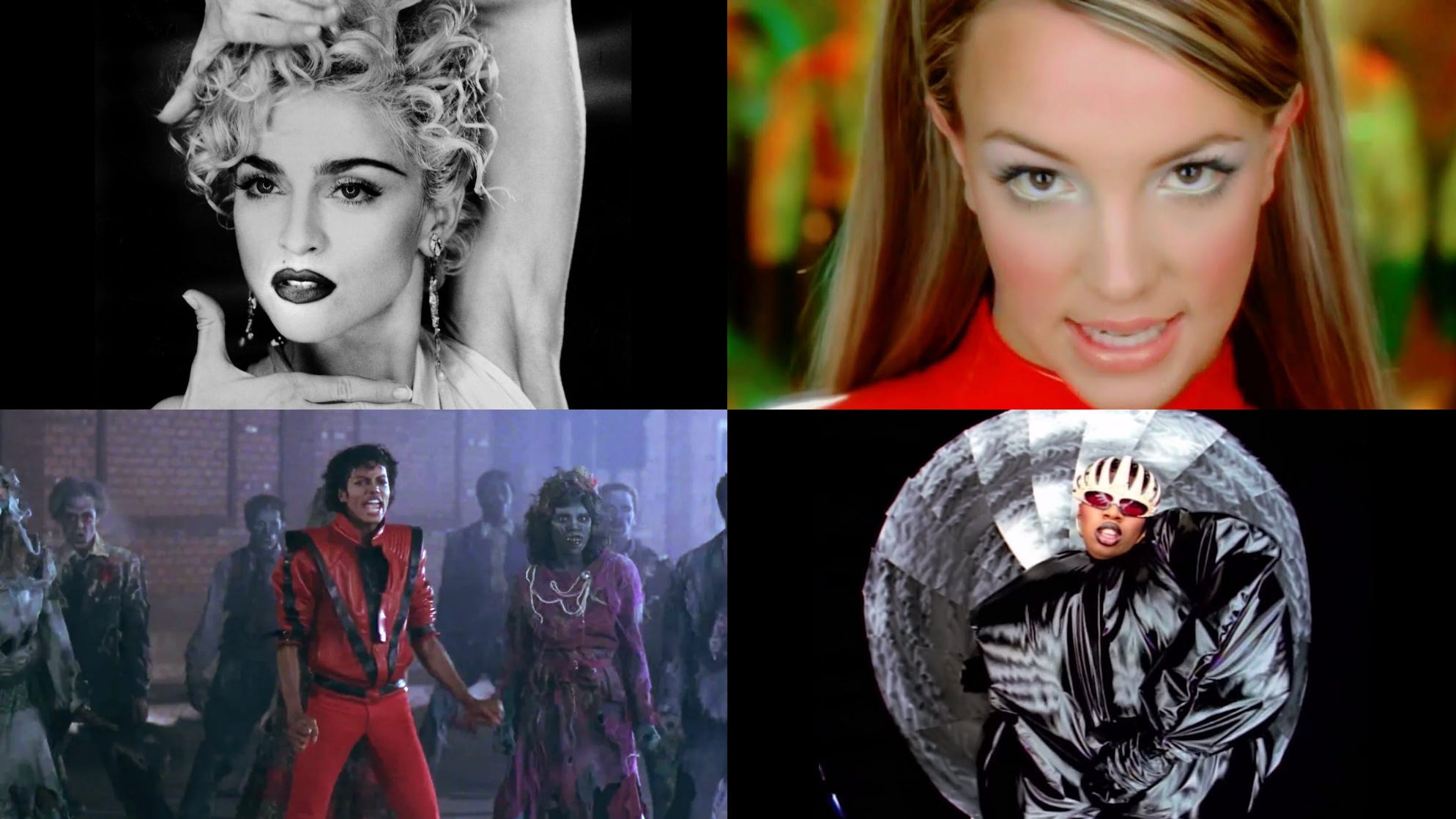
Long before streaming platforms and TikTok clips, musicians constructed entire worlds around their work. Madonna transformed herself from bride to saint to cowgirl to disco queen through meticulously crafted visual eras. Britney Spears gave audiences schoolgirl uniforms, red catsuits, and diamond-covered fantasies that became inseparable from the songs themselves. Michael Jackson provided zombies, gangsters, and gravity-defying choreography. And Missy Elliott bent reality with futuristic fashion and surreal imagery.
A great pop star wasn’t simply releasing music. They were creating mythology.
By the 2010s, however, it began to feel as though some of that ambition had faded. Streaming prioritized convenience. Playlist culture prioritized singles. And when TikTok accelerated music consumption even further, 15-second danceable snippets became more valuable than fully realized statements. Songs could dominate culture without audiences ever being fed an image to accompany them.
For a moment, music videos had become secondary.
But lately, it feels as though audiences are craving something more.
And this isn’t just me being nostalgic for my childhood watching Lady Gaga and Beyoncé’s “Telephone.” The numbers suggest there may be something real happening.
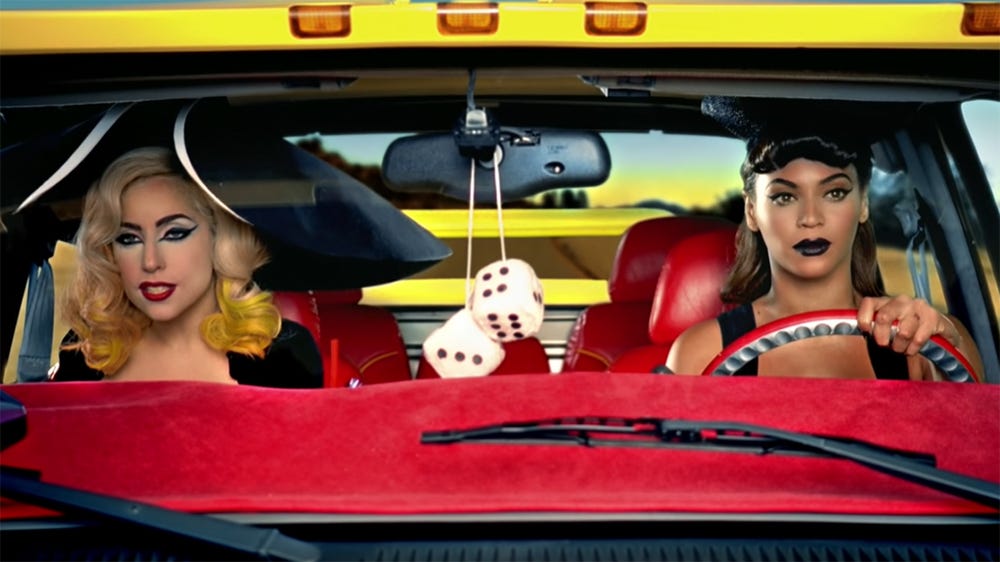
According to Vevo’s 2025 year-end data, Lady Gaga and Bruno Mars’ “Die With a Smile” was the platform’s most-watched music video of the year with 932 million global views, nearly triple the viewership of the previous year’s most-watched video, Becky G’s “POR EL CONTRARIO.”
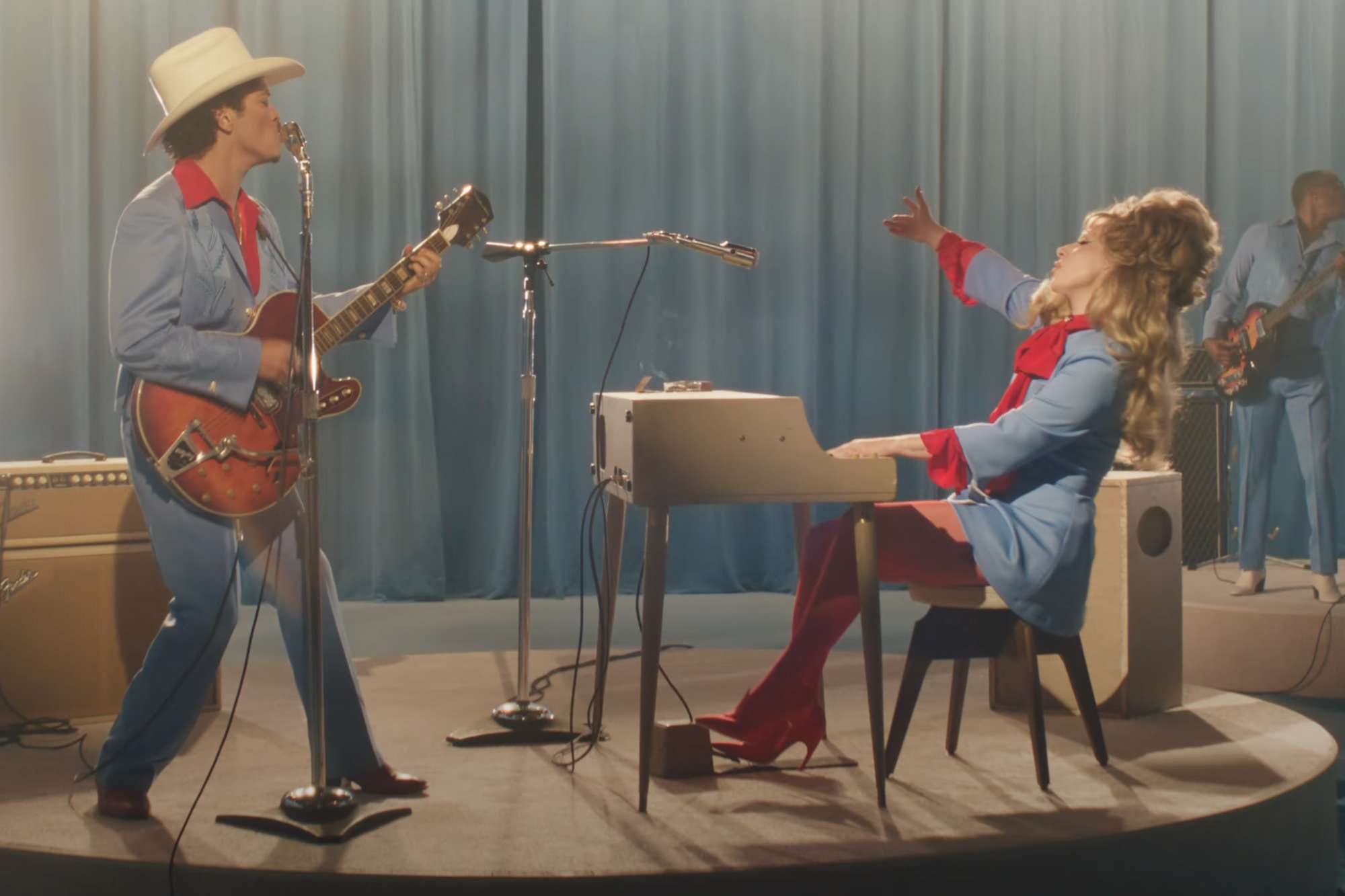
No single statistic can prove that music videos are experiencing a full-scale comeback. But it does suggest that audiences are still willing to engage with ambitious visual storytelling when artists give them something worth watching.
And increasingly, the artists capturing attention aren’t simply making music videos.
They’re building worlds.
Perhaps that’s why Madonna is so culturally relevant again. In the last year, Madonna’s monthly listeners on Spotify have risen from roughly 43.5 million to about 54.5 million, an estimated increase of 25%.
More than forty years into her career, she remains one of pop culture’s greatest architects of visual identity. Every Madonna era has existed beyond music. There was the Catholic imagery of Like a Prayer, the sexual provocation of Erotica, the futurism of Ray of Light, and the disco fantasy of Confessions on a Dance Floor. The songs mattered, but the worlds surrounding them mattered just as much.
This year, she’s expanding that tradition through “Confessions II: The Film,” further blurring the line between album promotion and cinema. And just recently, she took over Times Square in partnership with Grindr for a surprise concert. How much more world-building can you do?
What’s fascinating to me is that younger audiences have become increasingly receptive to this approach.
Look at Charli XCX.
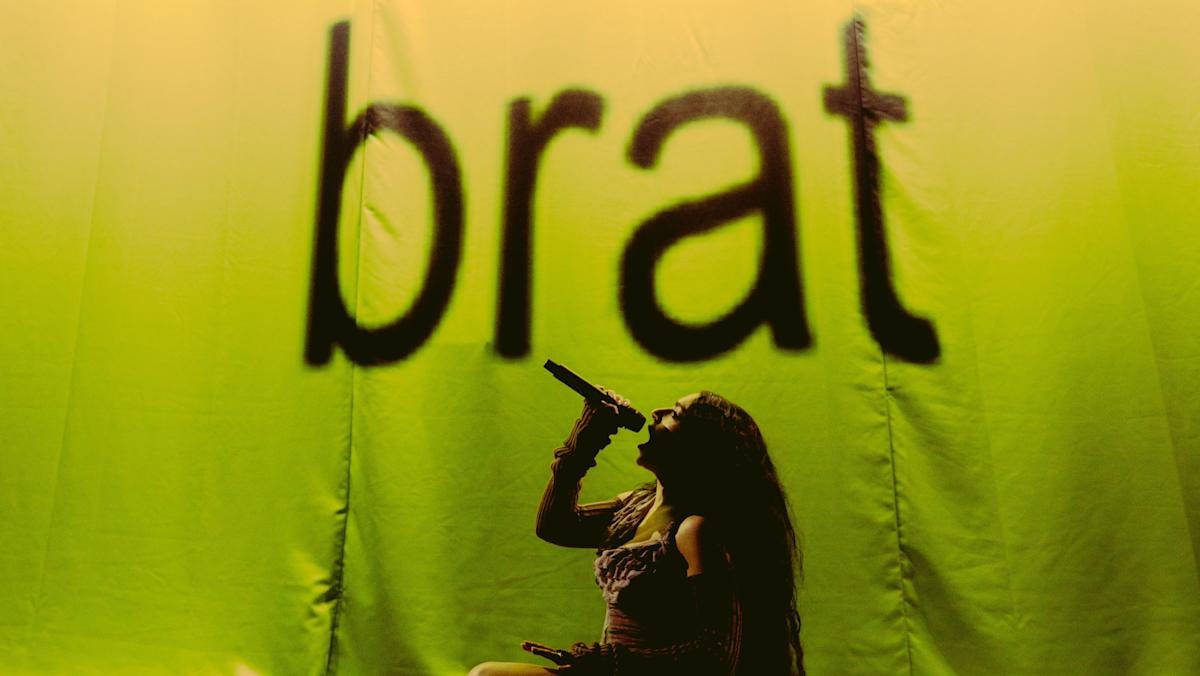
The success of BRAT wasn’t just musical. It was visual, cultural, and participatory. The now-famous shade of lime green has become instantly recognizable. Fans are dressing messier. Flash photography, cigarettes, nightlife aesthetics, and anti-polished cool-girl energy are culturally dominant again. The album has transcended from a record to a world.
Similarly, PinkPantheress has developed one of the most distinct visual identities in contemporary pop. Her music videos often feel suspended somewhere between internet nostalgia, anime, fashion editorials, and dream sequences.
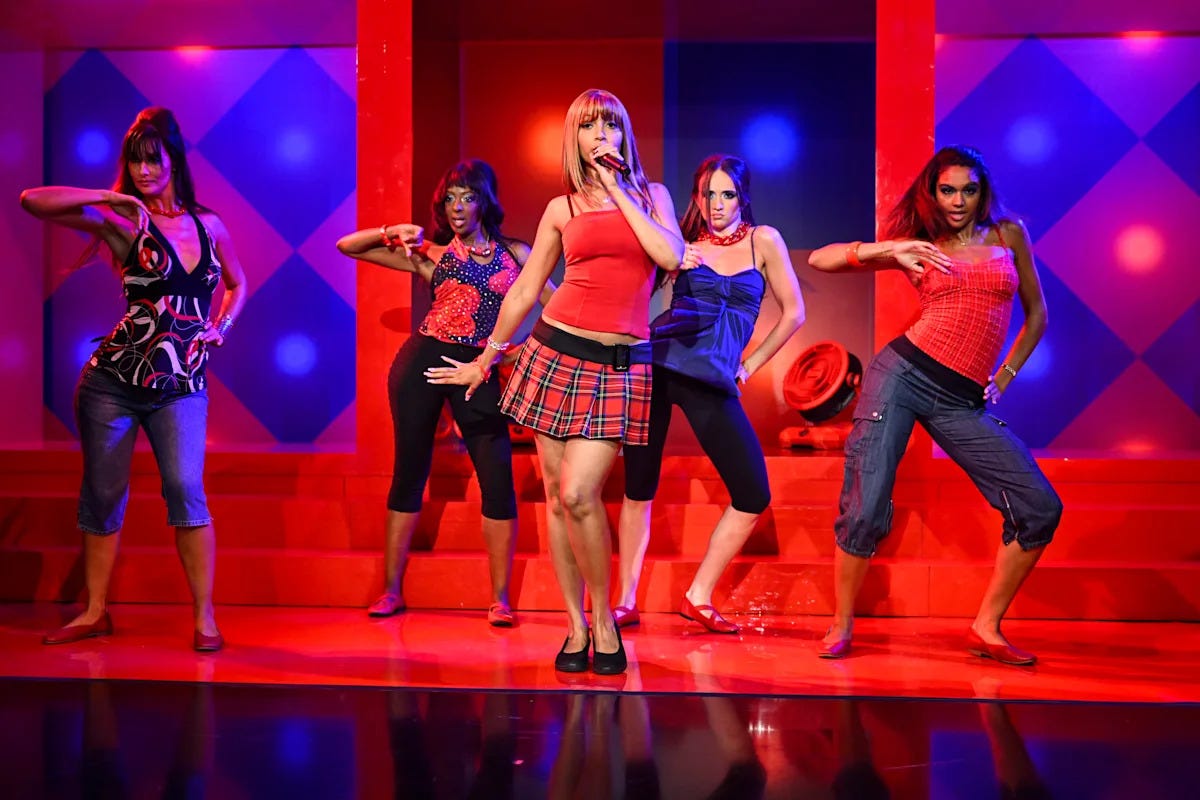
In many cases, people have encountered PinkPantheress’ visuals (or at least their impact) before encountering her music.
The same phenomenon is thriving in the rise of artists like Addison Rae and Chappell Roan.
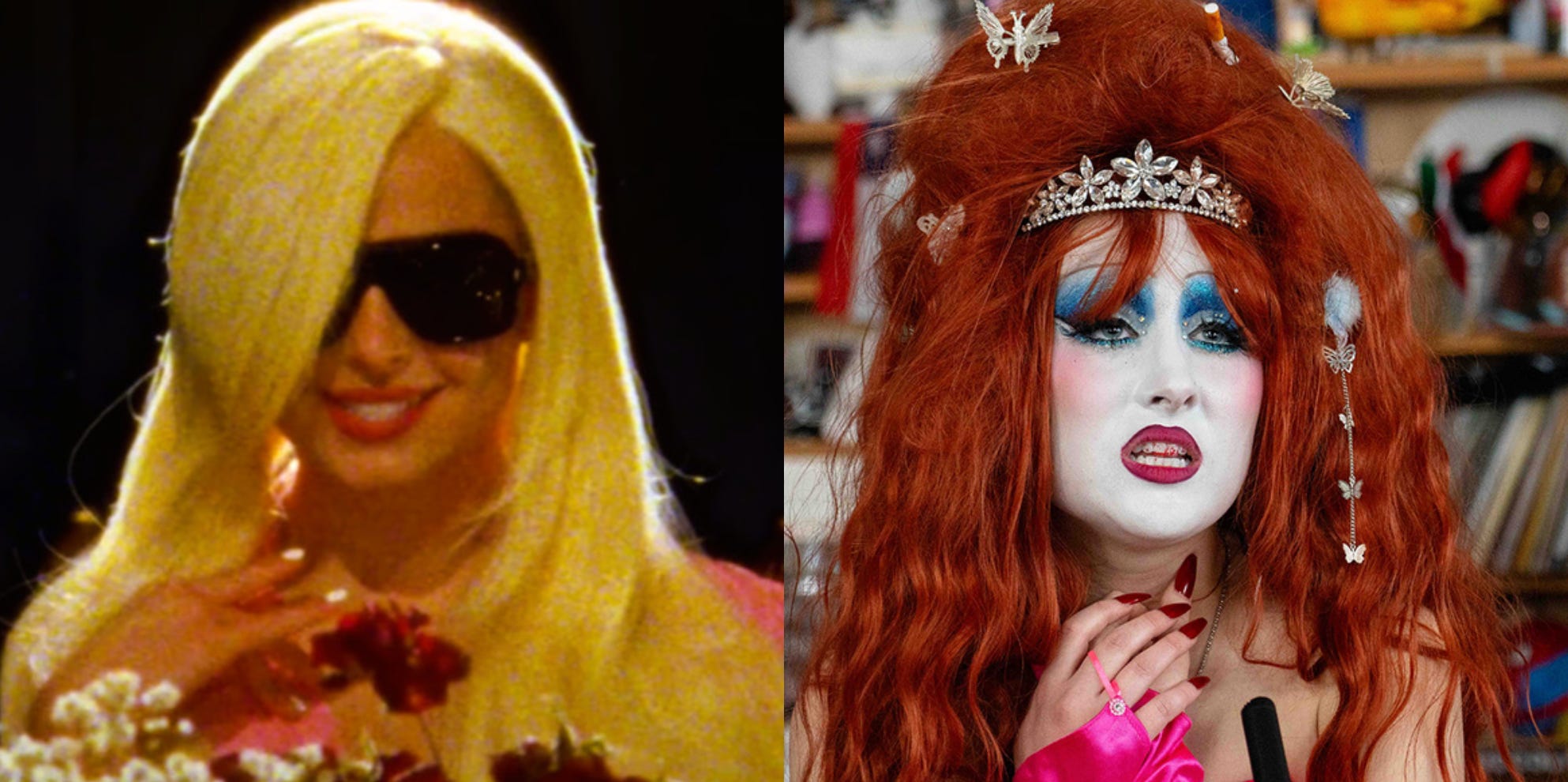
Before many people could name more than “HOT TO GO!,” they could recognize the drag-inspired makeup, theatrical costuming, and carefully constructed character work that define Chappell Roan. Similarly, Addison Rae’s transition from influencer to pop artist has been driven as much by imagery, styling, references, and visual storytelling as by the music itself. In interviews, namely her appearance on Jake Shane’s Therapuss, she speaks about pop music less as a collection of songs and more as a complete artistic vision.
That distinction feels increasingly important.
In today’s pop landscape, a hit song will no longer be enough. Artists like Tate McRae and sombr have both demonstrated an ability to generate streaming success, but neither has yet developed the kind of visual language that makes artists like Chappell Roan, Addison Rae, Charli XCX, or even Madonna feel culturally inescapable.
One offers songs. The other offers a world.
Olivia Rodrigo’s recent music videos are vital to this shift, too. Rather than serving as straightforward visual accompaniments to songs, they’ve functioned as self-contained artistic universes. “Drop Dead” transformed the Palace of Versailles into a Gen-Z Marie Antoinette fantasy. “The Cure” unfolded inside a handcrafted miniature hospital built from cardboard and yarn before revealing itself as a fragile diorama. And most recently, “Stupid Song” turned Manhattan’s Upper West Side into a surreal stage populated by ballerinas and dreamlike choreography.
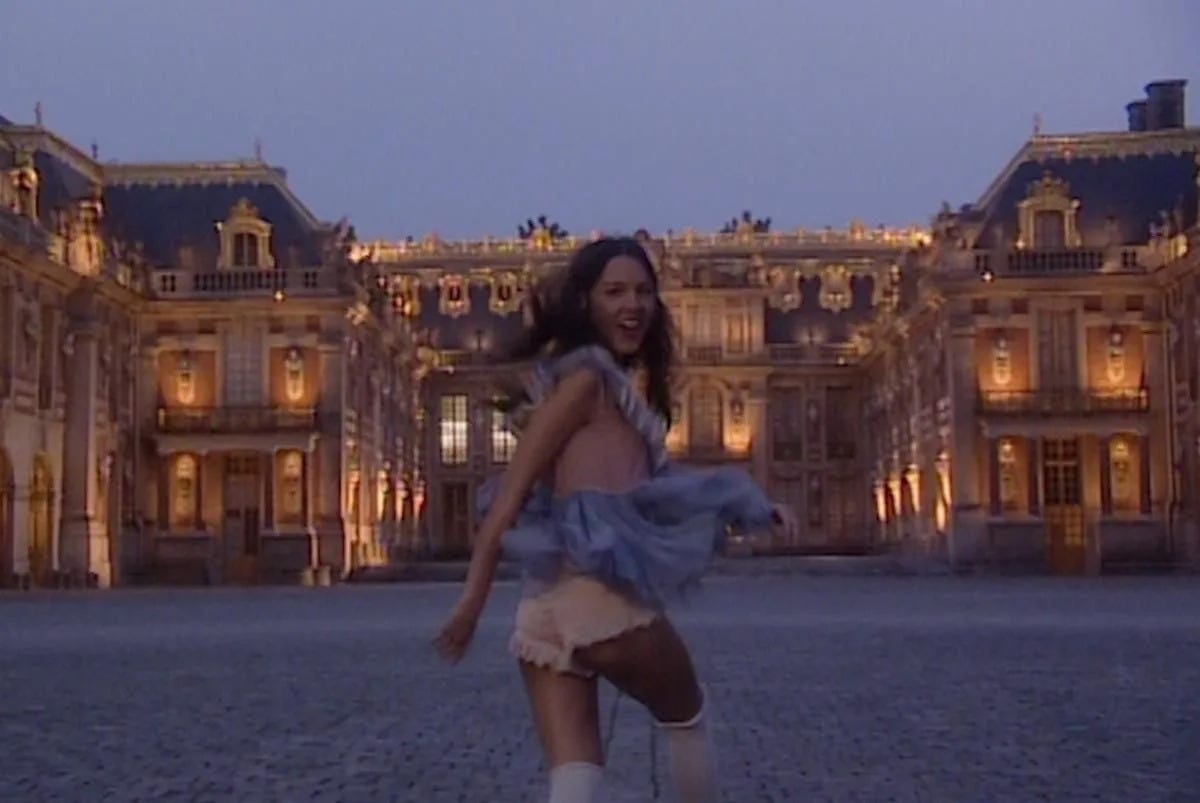
The public response to all three videos has been telling. People aren’t simply discussing the songs. They’re discussing the concepts, the visuals, the references, the settings, and the imagery. The conversation is extending beyond the music itself.
It’s clear that something larger is happening.
After years of fragmented digital culture, audiences seem increasingly drawn to artists who offer coherence. They want aesthetics. Narratives. Characters. Visual languages. They want to feel as though they are entering a universe rather than simply consuming a song.
And music videos remain one of the primary vehicles for that kind of world-building.
Not because they function the way they did during MTV’s golden age, but because they now exist as part of a much larger ecosystem that includes fashion campaigns, short films, social media rollouts, live performances, internet culture, and fan participation.
The most successful artists understand that the visual no longer ends when the video does.
In many ways, this brings us back to what made the MTV era so compelling in the first place. The artists who endure are rarely those with only great songs. They’re the ones who create worlds.
It’s as if the music draws us in, and the visual mythology gives us a reason to stay.
I loved MTV back in the day. My son grew up on it playing in the background