


I keep seeing it called “nostalgia.”
Low-rise jeans resurfacing. Power shoulders creeping back in. Flapper silhouettes. Cargo pants. Ballet flats. Heavy eyeliner. Clean minimalism. It’s framed as a revival. As irony. As an aesthetic.
But the pattern feels deeper than that.
Every twenty years, fashion circles back. And the decades we keep reaching for are rarely calm ones.
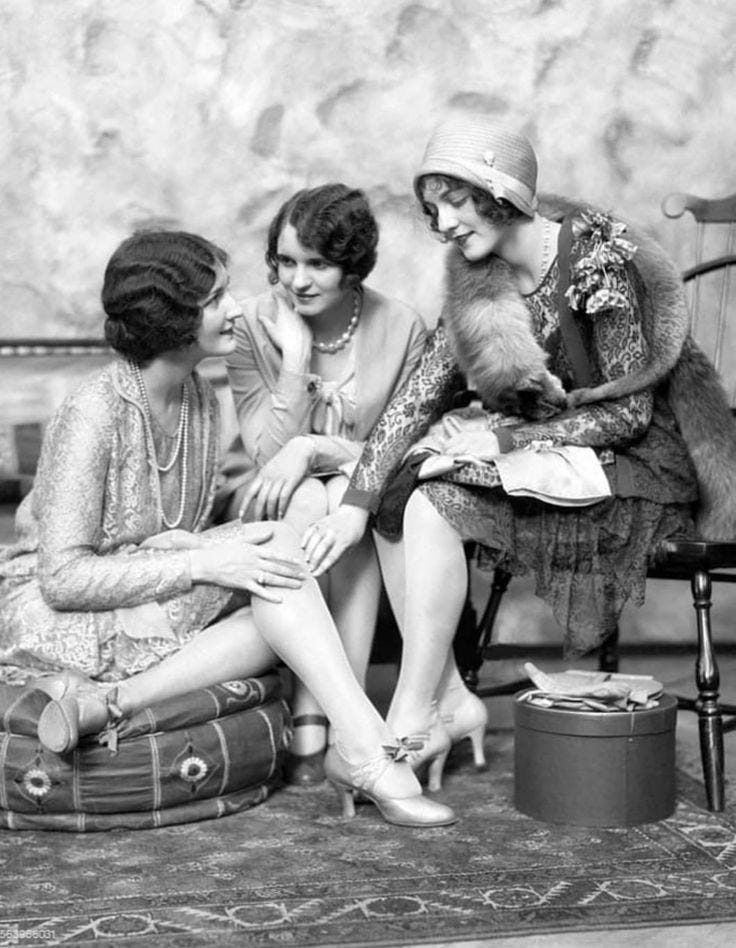
The 1920s followed war and a pandemic. Women cut their hair. They smoked in public. They embraced their sexuality. People panicked over how hard it was to “define” young women.
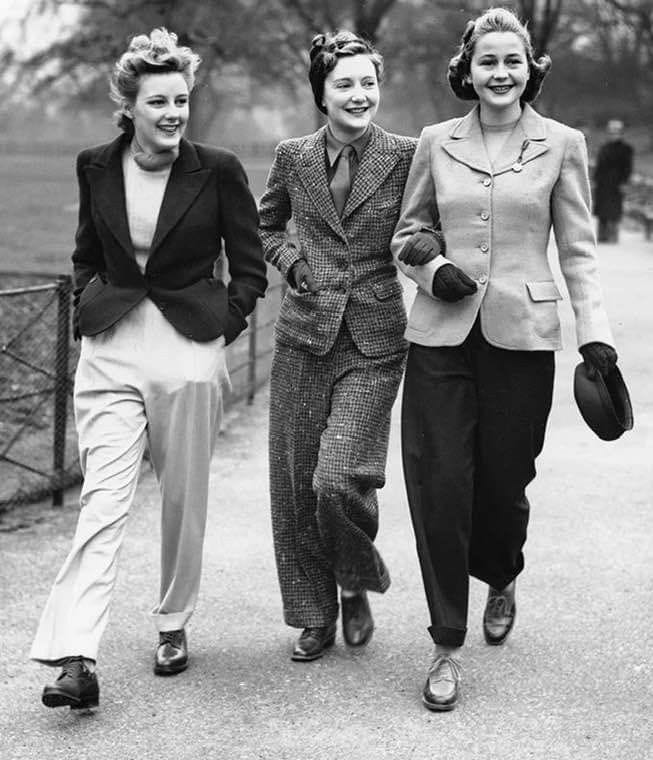
The 1940s were shaped by wartime restrictions. Fabric was rationed. Utility became style.
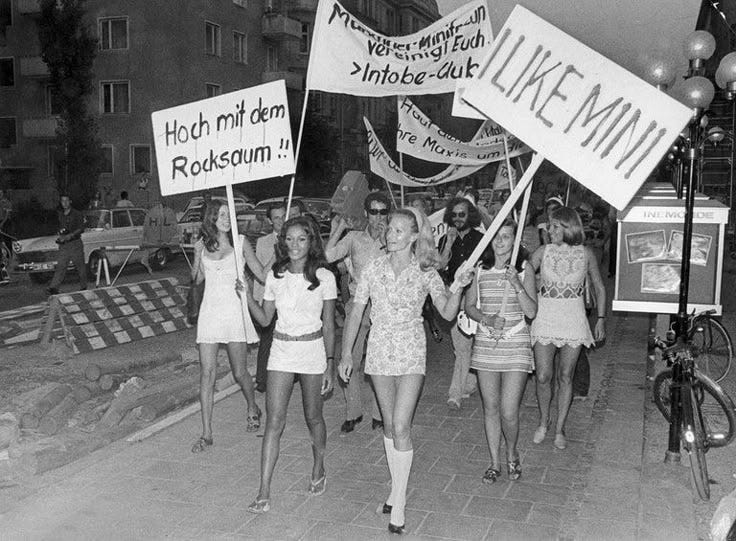
The 1960s turned clothing into protest. Civil rights marches. Youth rebellion. Anti-war.
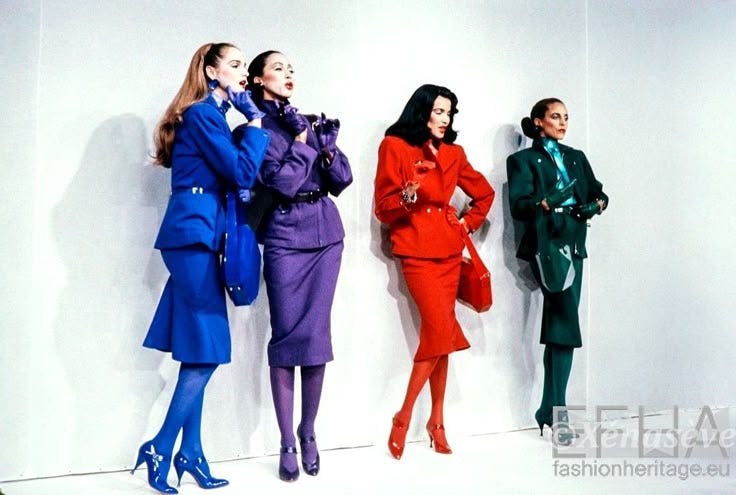
The 1980s sharpened with power dressing during economic instability.
The early 2000s unfolded under rapid technological advancements and post-9/11 instability.
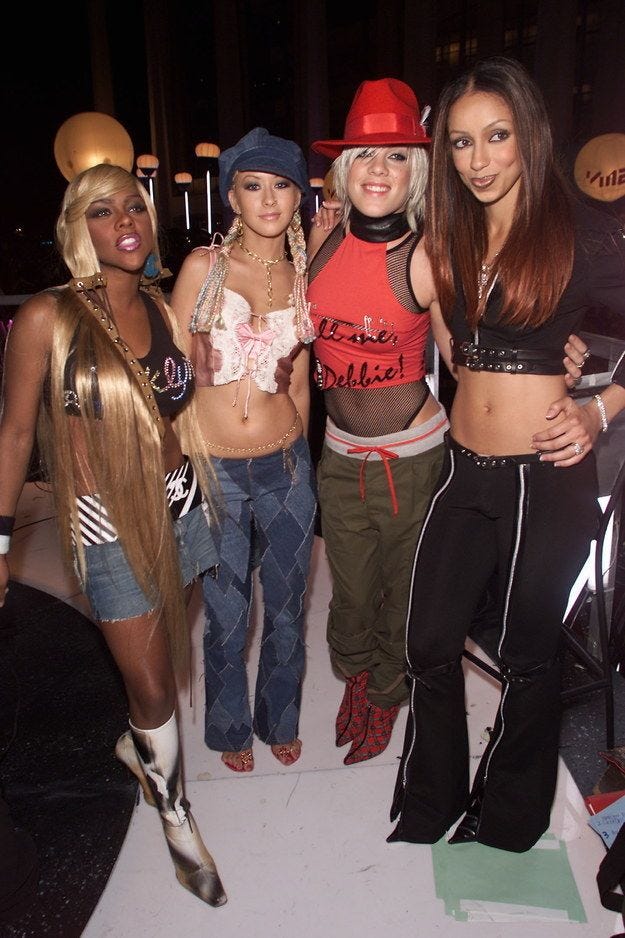
And now, here we are: ICE raids, reproductive rights battles, racial tension, gender politics constantly under debate, and an economic anxiety that never fully leaves. The stakes feel high. So it makes sense that fashion doesn’t feel neutral either.
When I look at what’s trending, it doesn’t feel random. It feels reactive. Historically, clothing has always shifted during unrest.
During the French Revolution, long trousers replaced aristocratic breeches as a rejection of hierarchy. Simpler garments reflected an idea of citizen virtue. During the American Revolution, uniforms and civilian dress marked loyalty.
In the early twentieth century, queer communities developed coded dress to find each other while surviving hostile spaces. In some cities, people were arrested for wearing clothing “not belonging” to their sex. Imagine that.
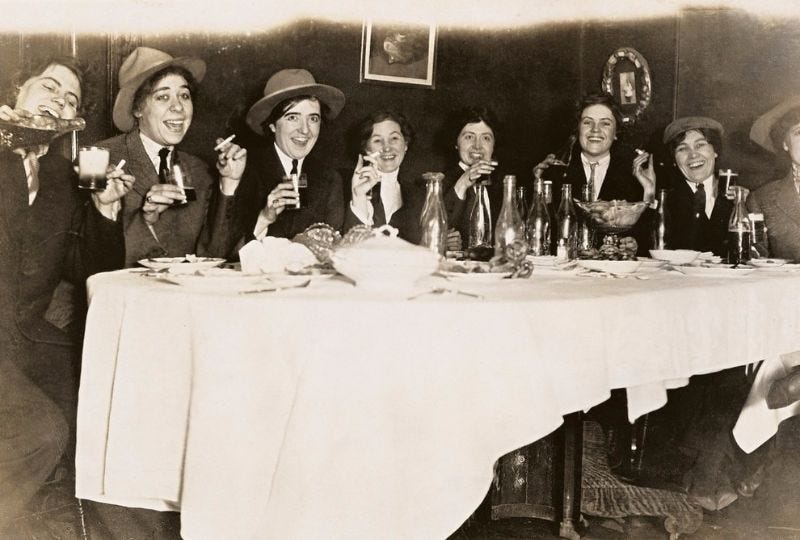
Fashion has always been about more than looking good. It’s about finding your people. About pushing against something. I feel that tension now.
When I gravitate toward certain silhouettes — sharper shoulders, deliberate layering, pieces pulled from earlier decades — it doesn’t feel like cosplay. It feels like borrowing strength. Like referencing a time when people before me were also fighting.
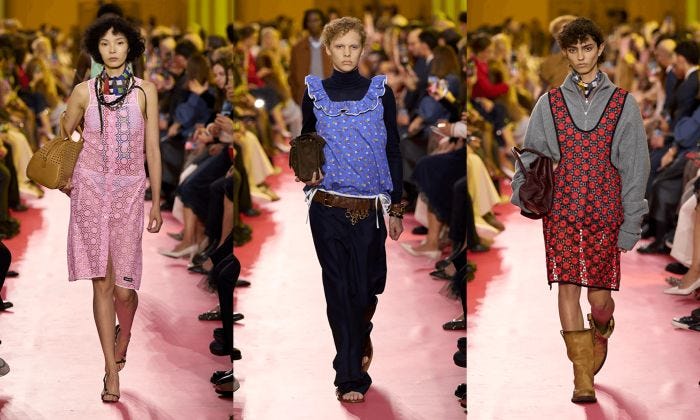
You can see the repetition in high fashion right now. Designers aren’t just reviving shapes, they’re questioning what it means to dress the “modern woman.”
Are hoop-skirt silhouettes power or restriction? Is a Miu Miu apron submission or reclamation?
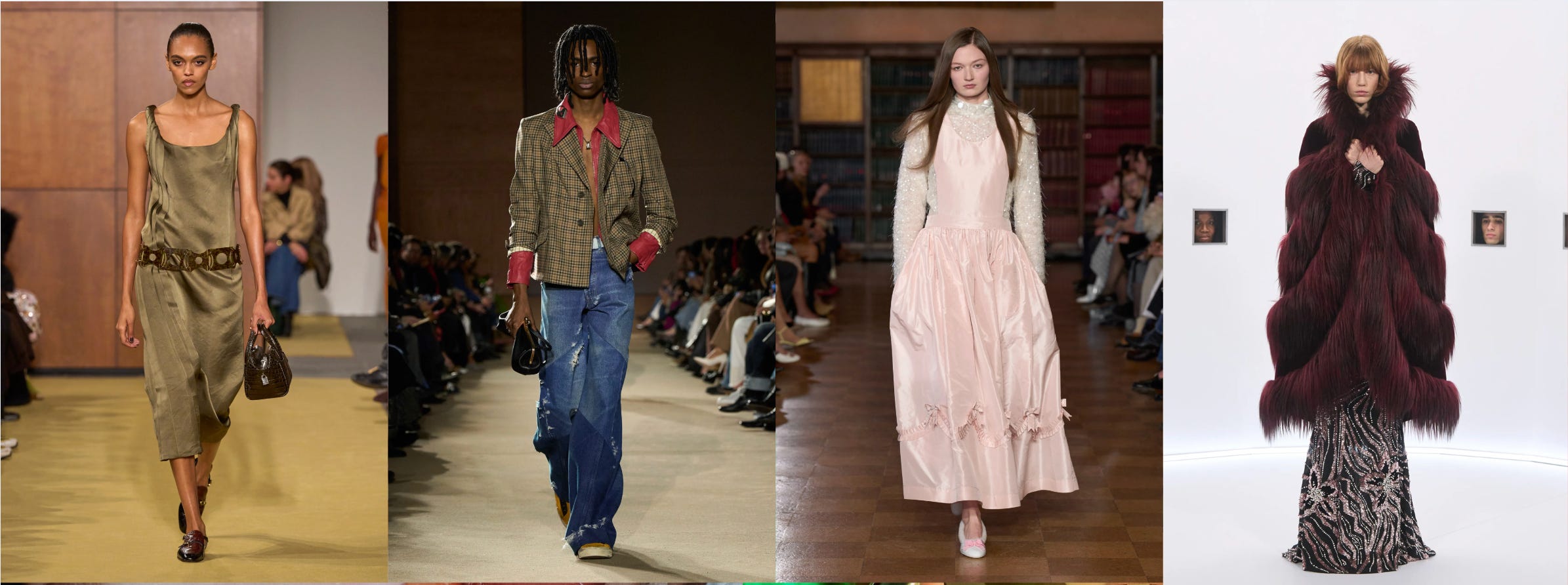
Tory Burch’s FW26 collection echoed 1920s silhouettes through washed silks and drop waists. Coach’s “Black Parade” blended 1940s tailoring with 1970s sportswear. Sandy Liang layered Rococo fantasy and Marie Antoinette imagery with pastel lace and girlhood nostalgia. Valentino’s Specula Mundi merged pre-cinema technology, Hollywood myth, and religious spectacle.
We keep returning to moments when people disrupted expectations of gender, of class, of power. When they dressed differently because something around them demanded it. Even if consumers aren’t consciously thinking about it, the pattern is there.
Maybe we aren’t nostalgic. Maybe we’re restless.
Maybe when we pull from the closets of earlier generations — those who lived through upheaval, who fought for space, who redefined themselves — we’re doing more than reviving a look. We’re participating in a cycle of adjustment and resistance.
Fashion doesn’t move in a straight line because culture doesn’t. And right now, the way we’re dressing feels less like trend chasing and more like rebellion.