


John Galliano is officially stepping back into fashion, but not in the way I would have expected. Not couture, not a heritage house revival, but through Zara.
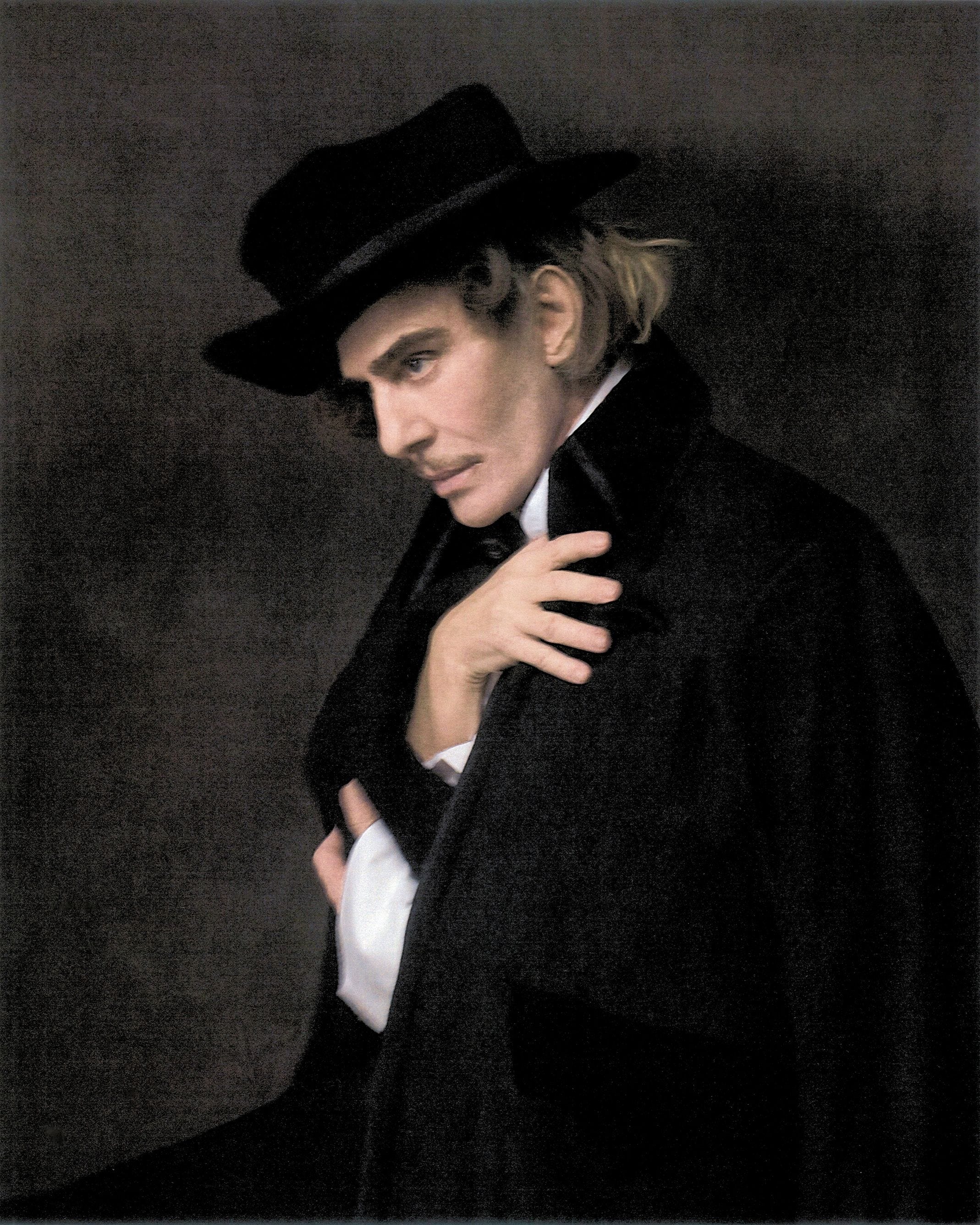
Last week, Galliano signed a two-year creative partnership with Zara under Inditex (literally one of the largest fashion companies in the world). And, instead of a typical designer collaboration, this project is being framed as something deeper. He’ll be diving into Zara’s archives (whatever that means!), and reworking them into new pieces – essentially reshaping the brand’s identity from within. The first collection is set to drop this September.
This also marks his first major move since leaving Maison Margiela in 2024, closing that chapter with what was, in my opinion, one of the most unforgettable collections in recent years: the Spring/Summer 2024 Artisanal show. So naturally, expectations are high.
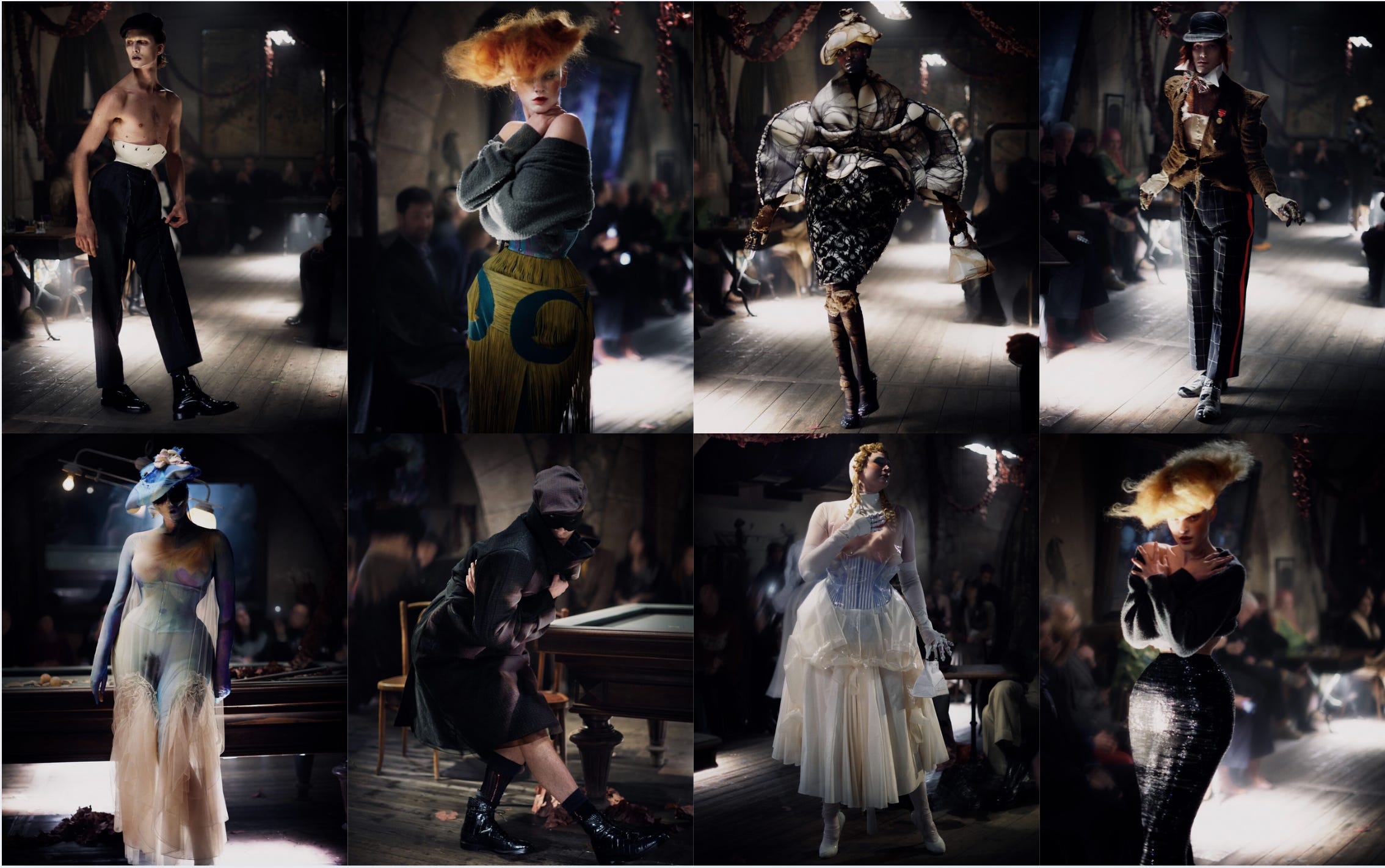
But what’s really fascinating here isn’t just that Galliano is back. It’s how he’s choosing to return. Instead of reentering through the luxury space, he’s aligning himself with mass retail. And honestly? I’m torn.
On one hand, it’s exciting. There’s something genuinely refreshing about the idea of a designer with such a strong, theatrical legacy working within a system that reaches everyday consumers. It has the potential to make high fashion feel less exclusive, less untouchable. It displays it as something people can actually engage with rather than just admire from a distance.
But at the same time… it feels a bit off.
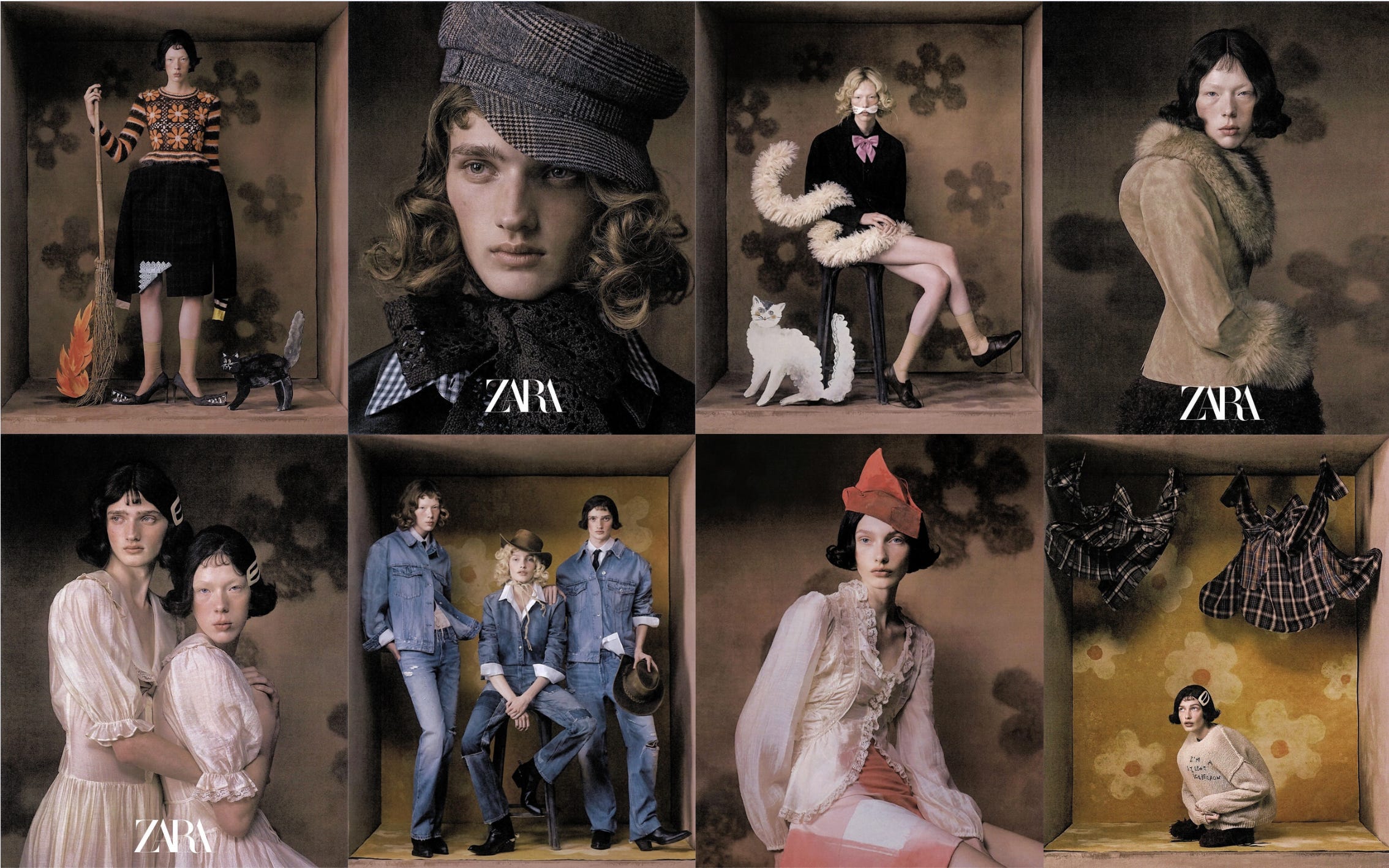
And this isn’t even Zara’s first attempt at dipping its toes into high fashion. The photographer behind some of their recent shoots and Galliano’s press images, Szilveszter Makó, is a highly respected name in fashion. His work has appeared in Who What Wear, The Cut, and campaigns for Adidas x Entire Studios and Maison Margiela, and in editorials for Vogue Czechoslovakia and Vogue China, among other big names. Choosing someone of that caliber to shoot for fast-fashion hasn’t felt accidental to me – it’s felt like foreshadowing.

And it doesn’t stop there. Just last November, Zara released the Ludovic de Saint Sernin x Zara collaboration, inspired by New York and built around this idea of “high-impact glamour,” starring Amelia Gray and Alex Consani. Around the same time, they tapped Steven Meisel – arguably the most iconic photographer in fashion history – for their “50 Years, 50 Icons” anniversary campaign. That project alone featured legends and supermodels like Cindy Crawford, Naomi Campbell, and Twiggy, alongside newer names like Paloma Elsesser, Precious Lee, and Irina Shayk.
So clearly, this Galliano moment isn’t random. It feels like part of a larger shift.
At the same time, high fashion x mass retail isn’t new — it’s been the playbook for decades. Karl Lagerfeld x H&M in 2004 set the tone, followed by Versace, Balmain, and more. Beyond H&M, Target’s Isaac Mizrahi run, and recent collabs like Anna Sui x Old Navy show this crossover has long been embedded in the industry.
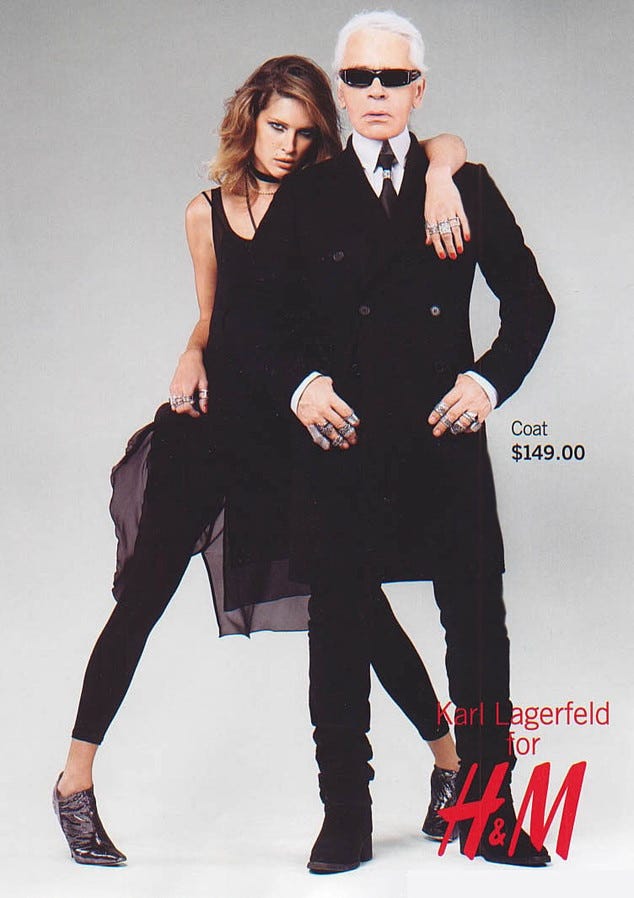
So in that sense, Zara working with Galliano isn’t revolutionary. What is different is how embedded this partnership seems to be within the brand itself, rather than just a one-off capsule drop.
Which brings me to what might be the most confusing part of all: who exactly is Zara trying to target right now?
The typical Zara shopper has always felt a little undefined. Is it the young woman running in for a trendy top she saw on TikTok? Or is it someone who genuinely follows and appreciates high fashion? Because if we’re being honest… I don’t think the average Zara consumer is thinking about John Galliano.
But I am.
And I know a lot of other people who love fashion in a deeper, more intentional way are too. The idea of owning something designed by Galliano (even in a mass-produced form) is exciting. It’s access. It’s proximity to a legacy that has felt out of reach.
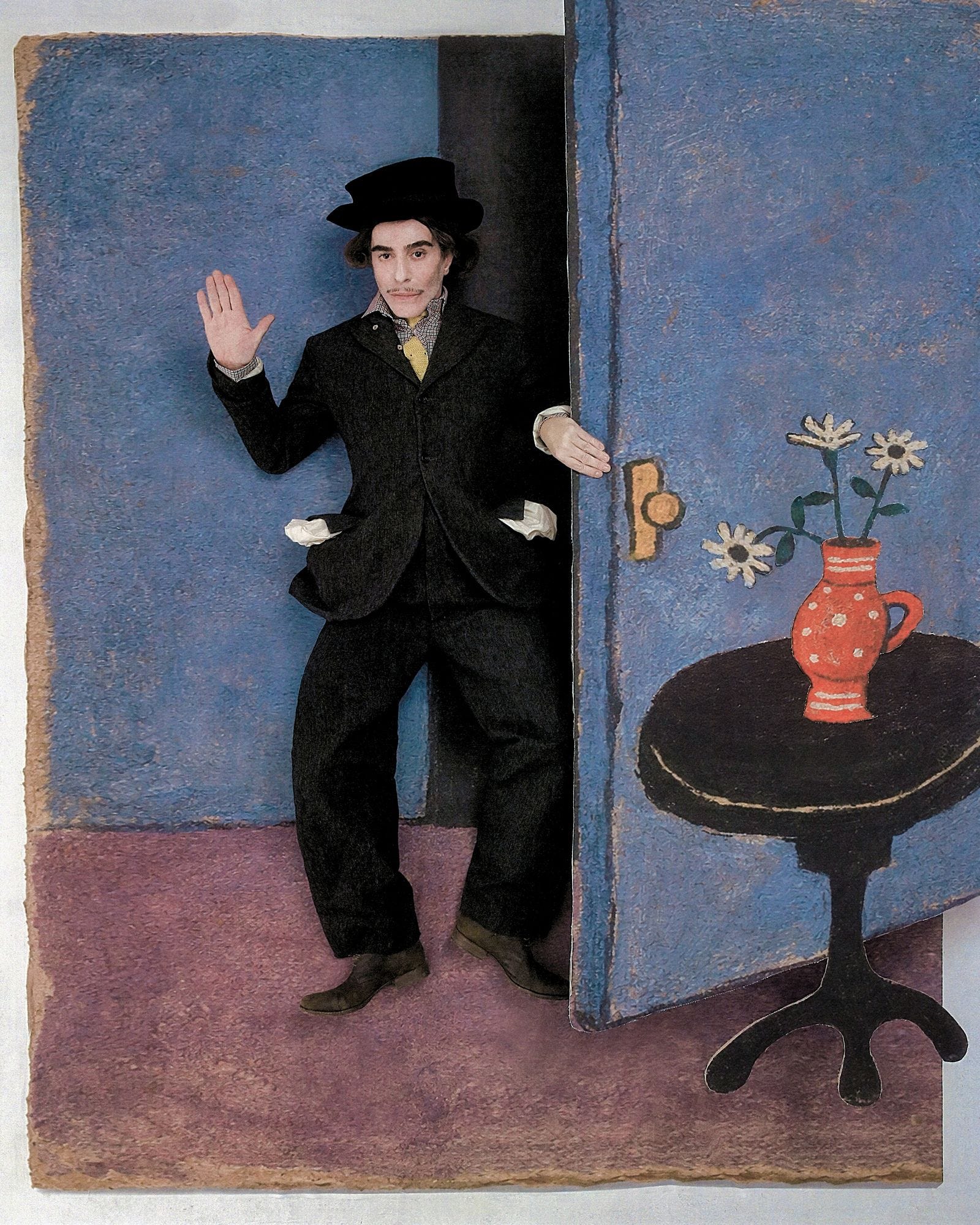
But then comes the reality check. Because it’s still Zara.
A brand tied to design theft accusations, poor labor practices, and a major role in the cycle of overproduction and waste. And for people who truly care about fashion – not just trends, but the industry, the artistry, the ethics – that’s hard to ignore. It’s a huge turn-off.
It almost seems like Zara is at a crossroads, trying to decide between two directions: either expand their audience into the world of true fashion lovers, or pivot away from their current consumer toward something more elevated. But it feels like a lose-lose situation.
I don’t know if it’s possible for them to fully make that leap – not with the reputation they’ve built. And if someone like Galliano, one of the most visionary designers of all time, can’t shift that perception…then who can?
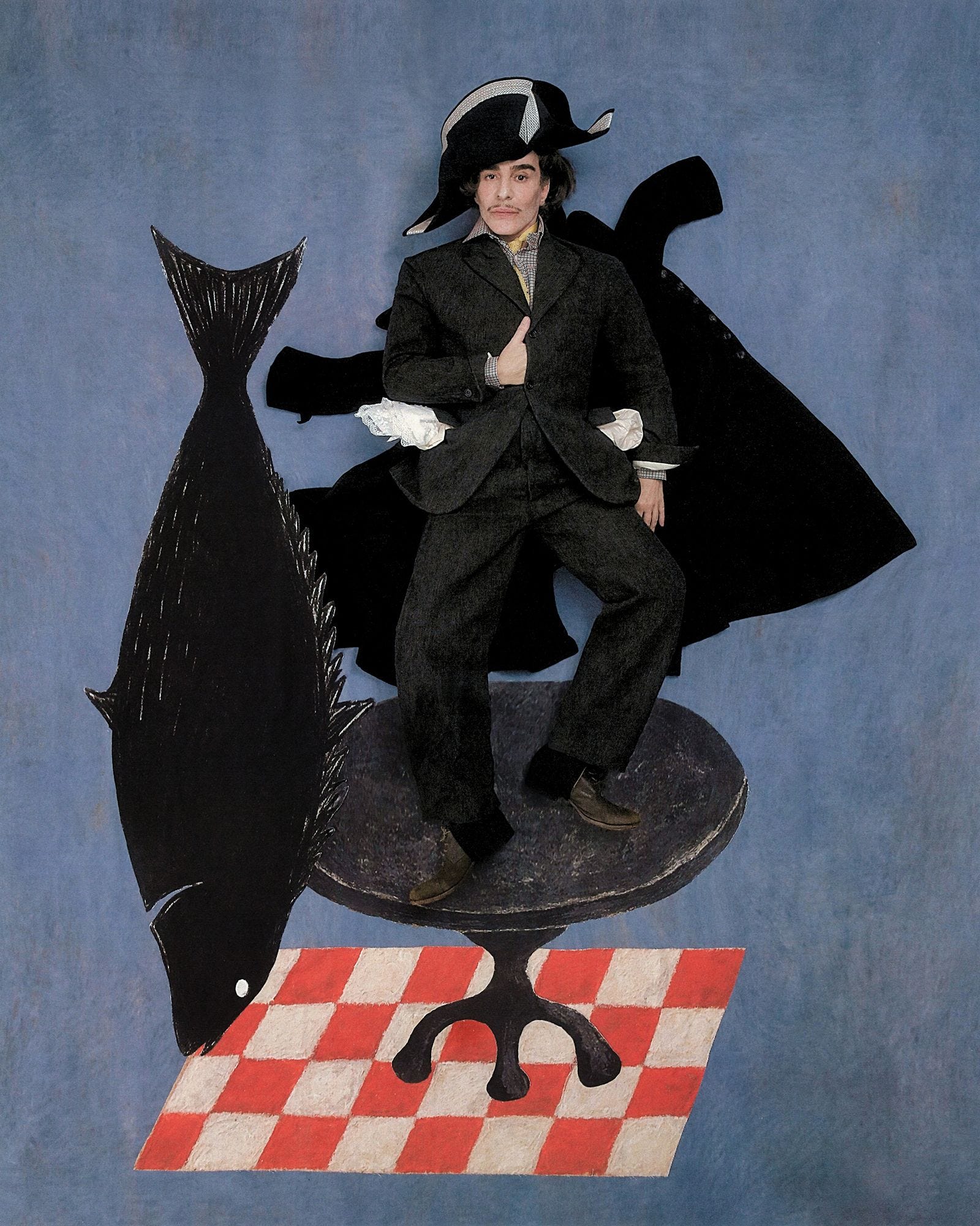
Maybe they should just stick to what they know works.
Because this move risks alienating the exact consumer base that’s been keeping them afloat, while not fully convincing the audience they’re trying to attract.
But then again, maybe I’m wrong. Maybe this will be wildly successful, and Zara will manage to redefine itself in a way no one saw coming.
I just don’t see it happening.