


Remember those Old Navy commercials from the late ’90s — the woman in enormous black glasses and chunky pearls declaring everything “fabulous?”
That was Carrie Donovan.
And she wasn’t just a campy ’90s advertising character. She was one of the great architects of modern fashion journalism.
Long before she was selling fleece to suburban America, Donovan had spent decades shaping fashion at Vogue, Harper’s Bazaar, and The New York Times Magazine.
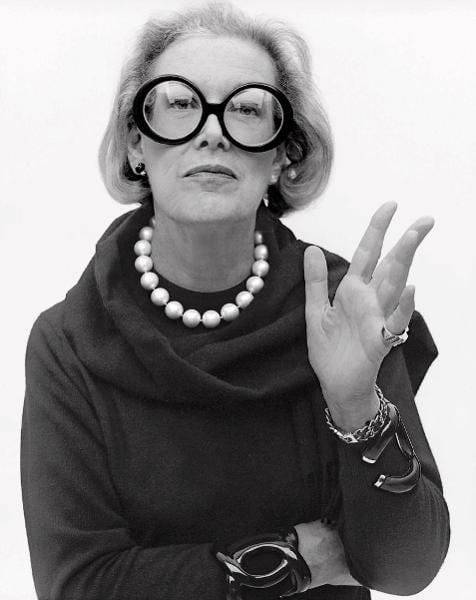
Carolyn Gertrude Amelia “Carrie” Donovan was born March 22, 1928, in Lake Placid, New York — and, it seems, with a love of fashion. At just ten years old, she mailed her own wardrobe sketches to actress Jane Wyman and received a handwritten reply. She knew who she was from a young age.
She studied at Parsons School of Design — a detail close to me as a New School student — and graduated in 1950.
She tried fashion design. It didn’t work. And thank God.
Because in 1955, she joined The New York Times as a fashion reporter and discovered that her gift wasn’t in making clothes. It was in interpreting them. She wasn’t interested in hemlines. She was interested in what hemlines meant.
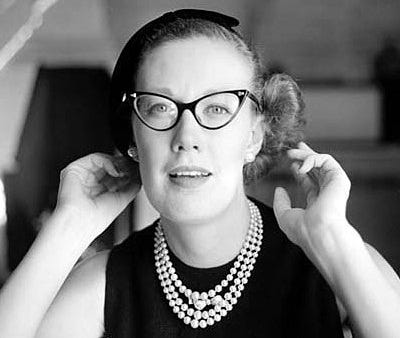
At The New York Times Magazine, Donovan caught the attention of the high priestess of fashion journalism herself, Diana Vreeland. When she moved to Vogue, she entered fashion’s most adventurous era. Vreeland taught her to trust instinct. To exaggerate. To treat fashion as narrative, not just merchandise.
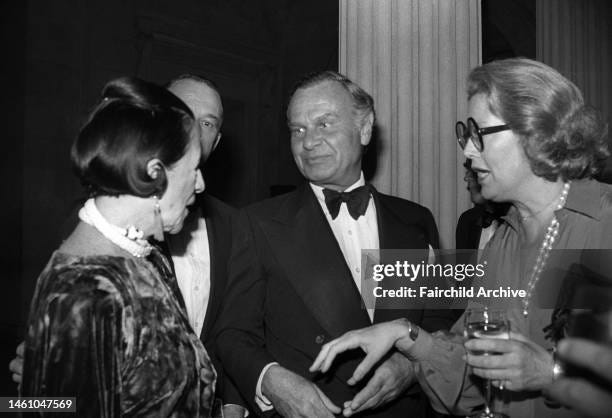
Together, they helped shift fashion journalism from society coverage to visual storytelling — something closer to art direction than reporting. And Donovan was central to that shift. Not as editor-in-chief, but as the sharp eye shaping the page behind the scenes.
When Vreeland was famously dismissed from Vogue in 1971, Donovan left too. Now that’s loyalty.
She moved to Harper’s Bazaar, carrying that same belief: fashion as narrative. Later, back at The New York Times, she did something even more radical.
She treated fashion as journalism — not fantasy.
She discovered and framed designers like Donna Karan and Perry Ellis as part of a larger American story: ease, comfort, movement, modern life. While others chased spectacle, Donovan emphasized the woman inside the clothes.
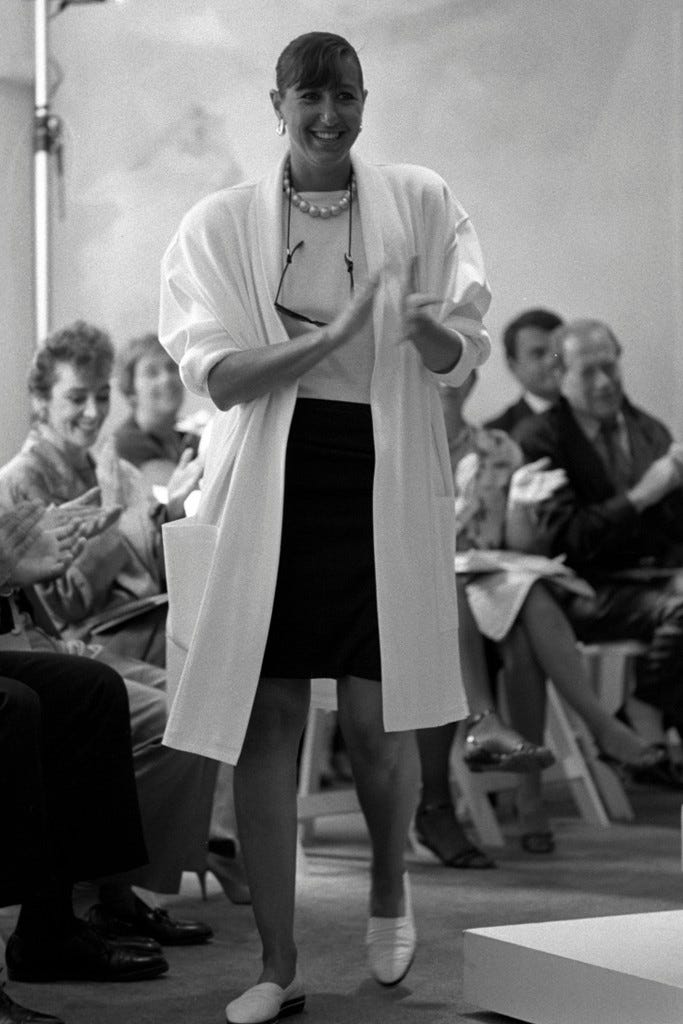
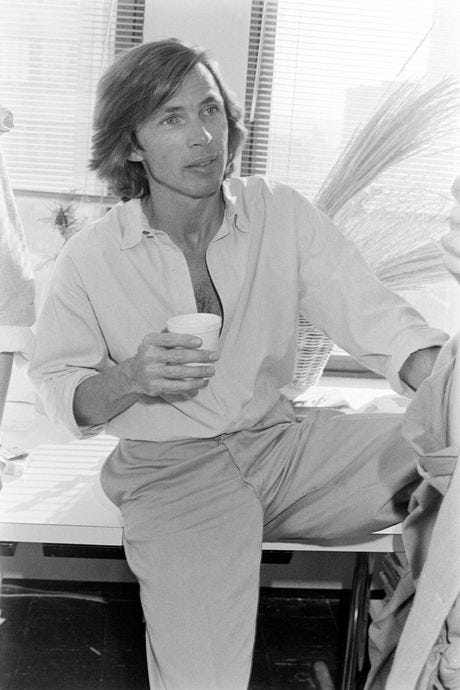
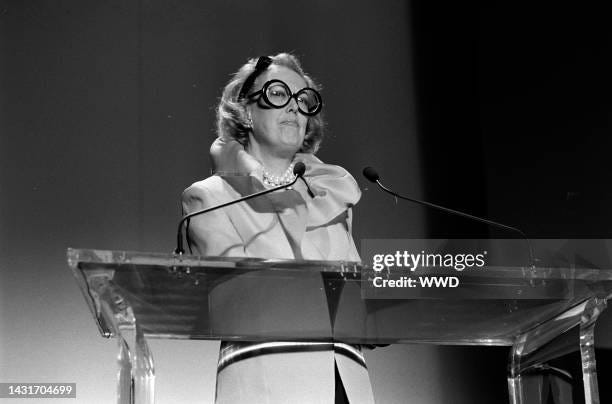
And somewhere along the way, she became the visual shorthand for “fashion editor.”
Black wardrobe. Enormous black-rimmed glasses. Neck dripping in pearls.
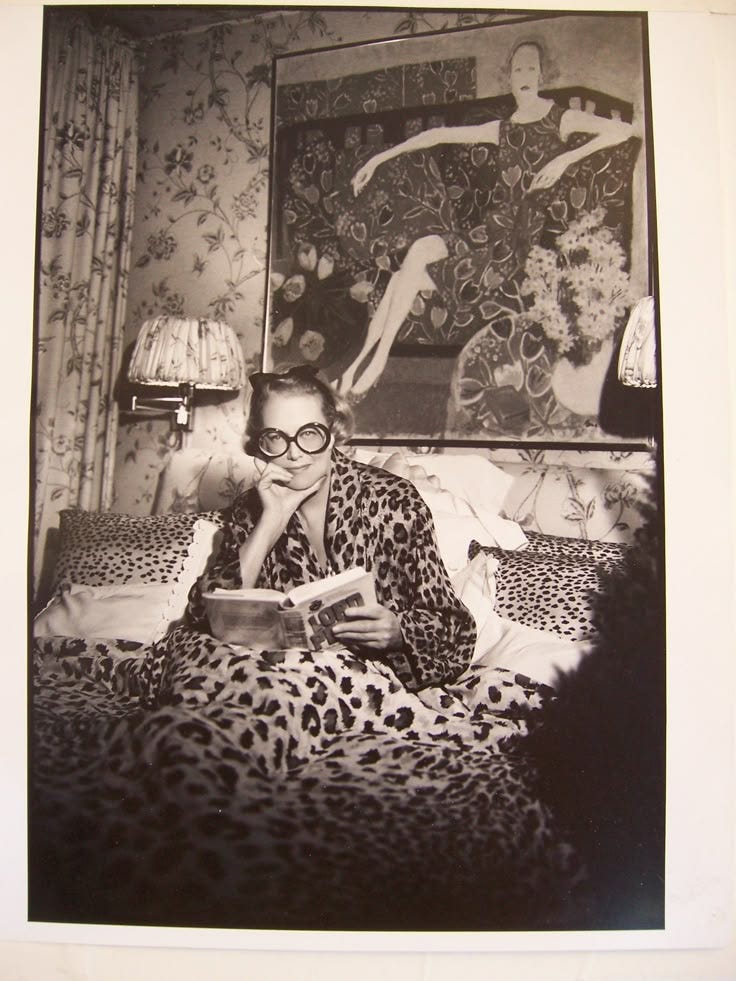
Her Upper East Side apartment — red-on-red walls, leopard carpeting. It mirrored her tasteful maximalism. She threw around French phrases. She played into the archetype. She understood the bit.
That’s what made her so camp.
It wasn’t accidental. It was performance. But it was also completely authentic.
In 1997, Old Navy cast Donovan in a series of 42 television commercials. They hired her because she looked like Vogue. She’d say “fabulous,” “chic,” “madly chic” — insider language delivered to middle America.
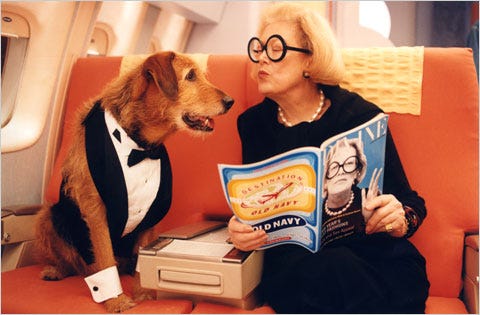
Some in the industry were uncomfortable. How could a woman of her substance sell mall clothing?
But Donovan had already made her philosophy clear: style belonged to everyone.
It’s almost as if she understood something before the rest of the industry did. Long before Anna Sui x Old Navy, Versace x H&M, or Supreme x Louis Vuitton, Donovan embodied the collision of high and mass fashion.
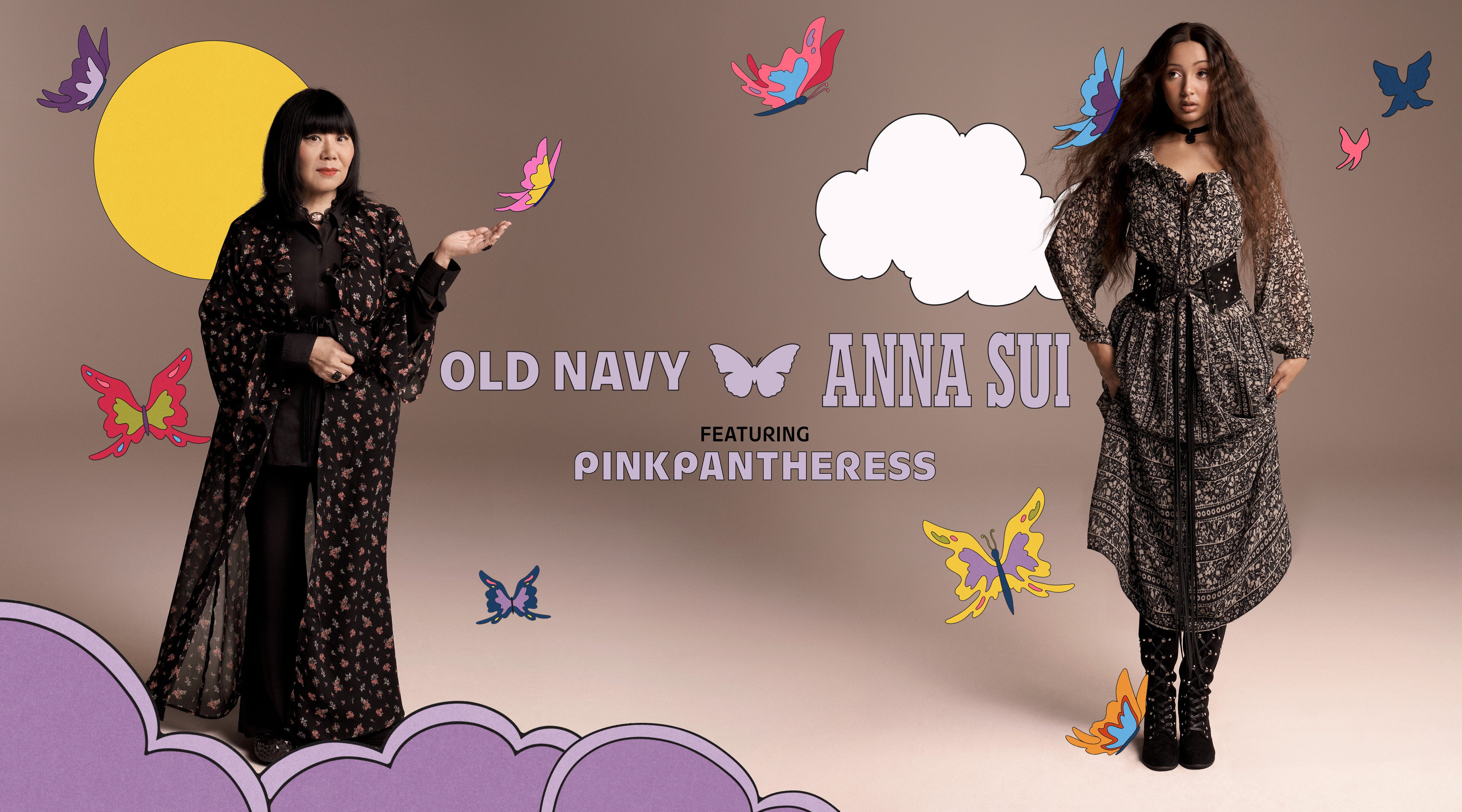
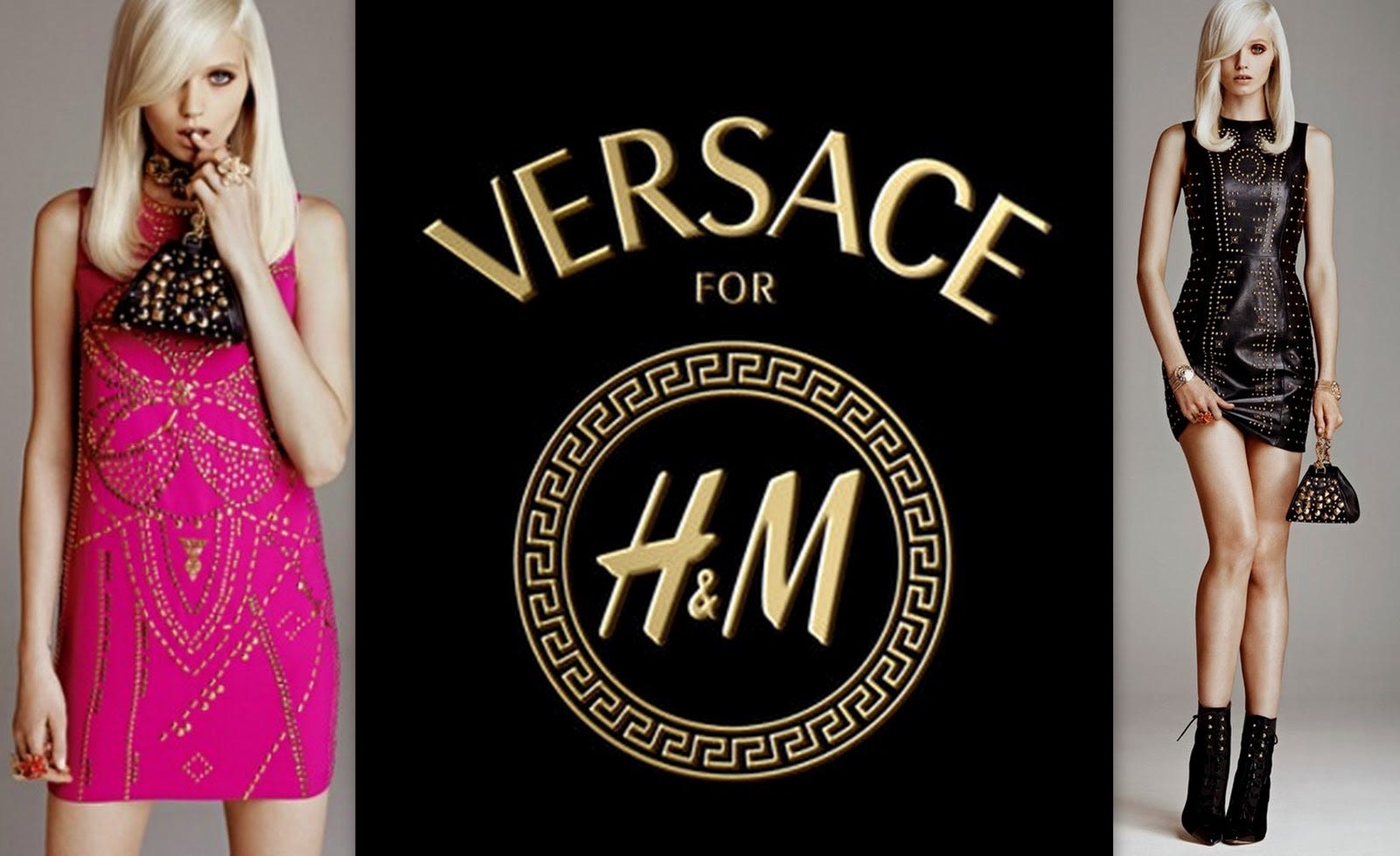
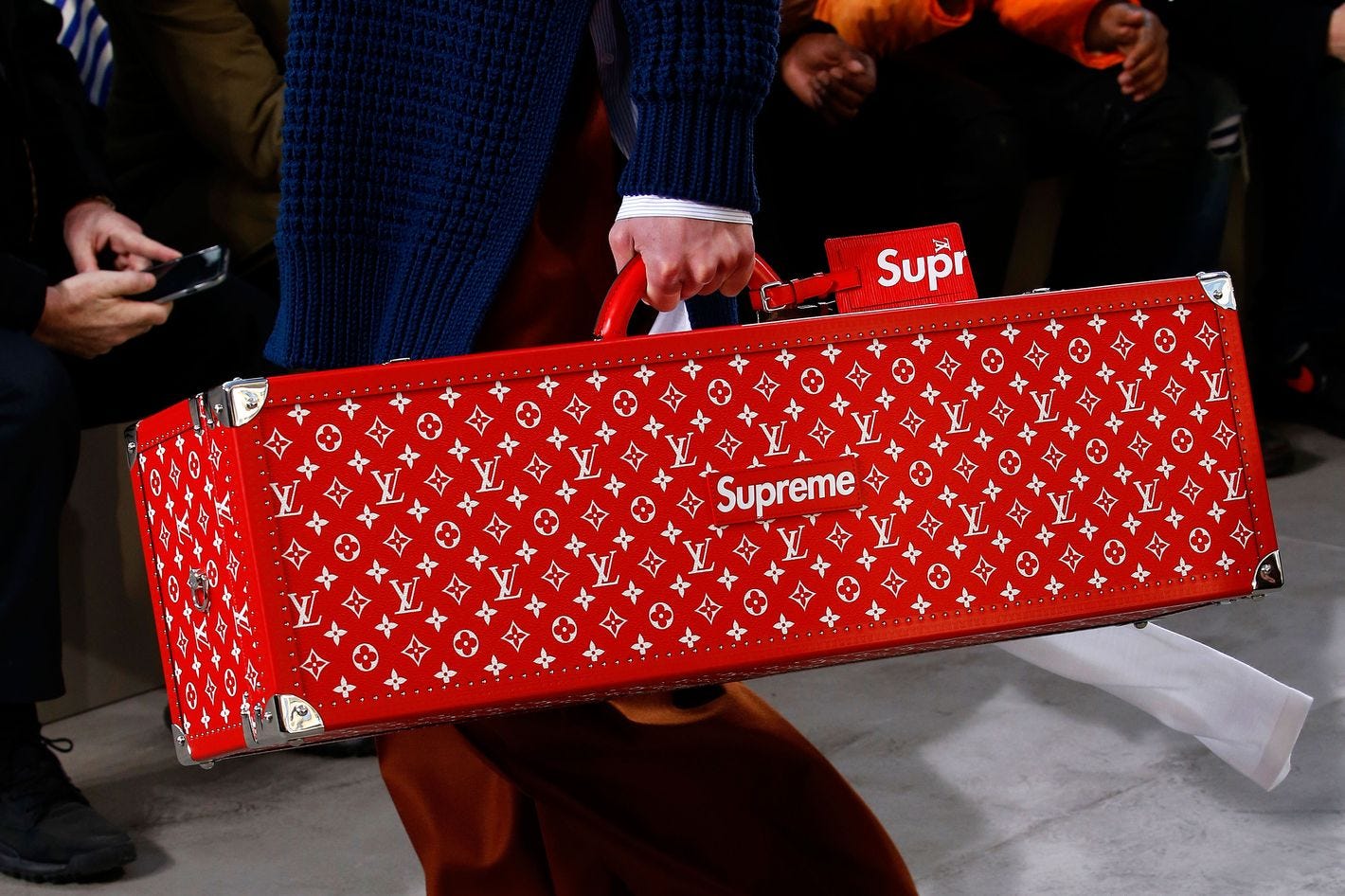
And in an era of infinite content, who has that kind of editorial authority anymore? Who has a point of view so strong it survives being turned into parody?
She never sewed professionally. She never became editor-in-chief. She never built a social media empire.
But for nearly half a century, she shaped how America saw clothes.
I wore chunky pearls and thick black glasses long before I knew who she was. Somewhere along the line, her image seeped into the collective idea of what a fashion person looks like: black clothes, pearls, glasses.
She didn’t invent the uniform. She made it mean something.
“Fabulous.”