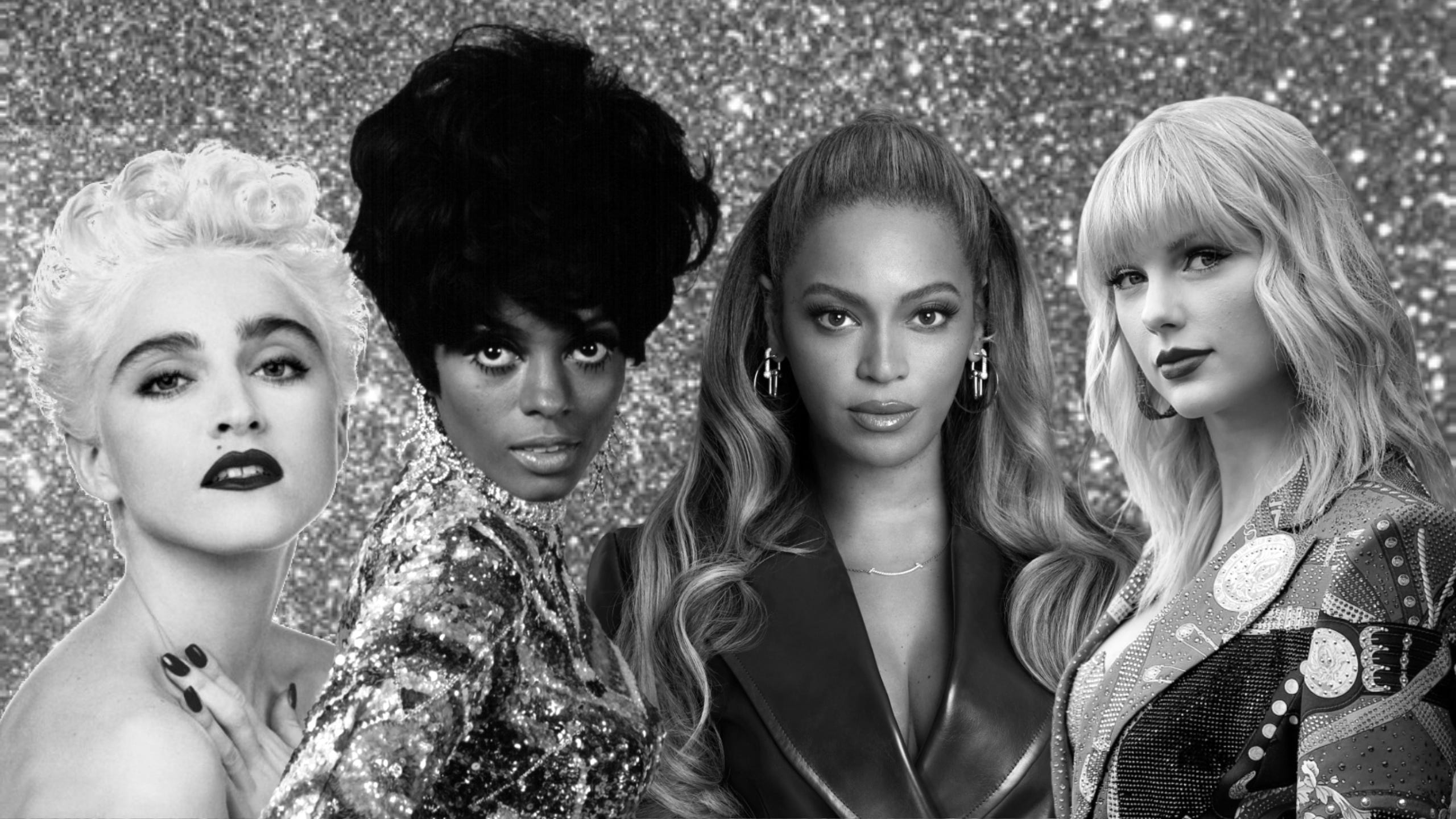
The female pop star is one of the most iconic, celebrated – and scrutinized – figures of modern culture. Artists like Diana Ross, Madonna, Beyoncé, and Taylor Swift don’t just make music; they set trends, spark cultural shifts, and shape how we move through the world. From choreography and personal style to branding and vocal performance, they’re expected to do it all – and do it flawlessly.
But where did that expectation come from? Who set the standard? And who was the first to carry it?
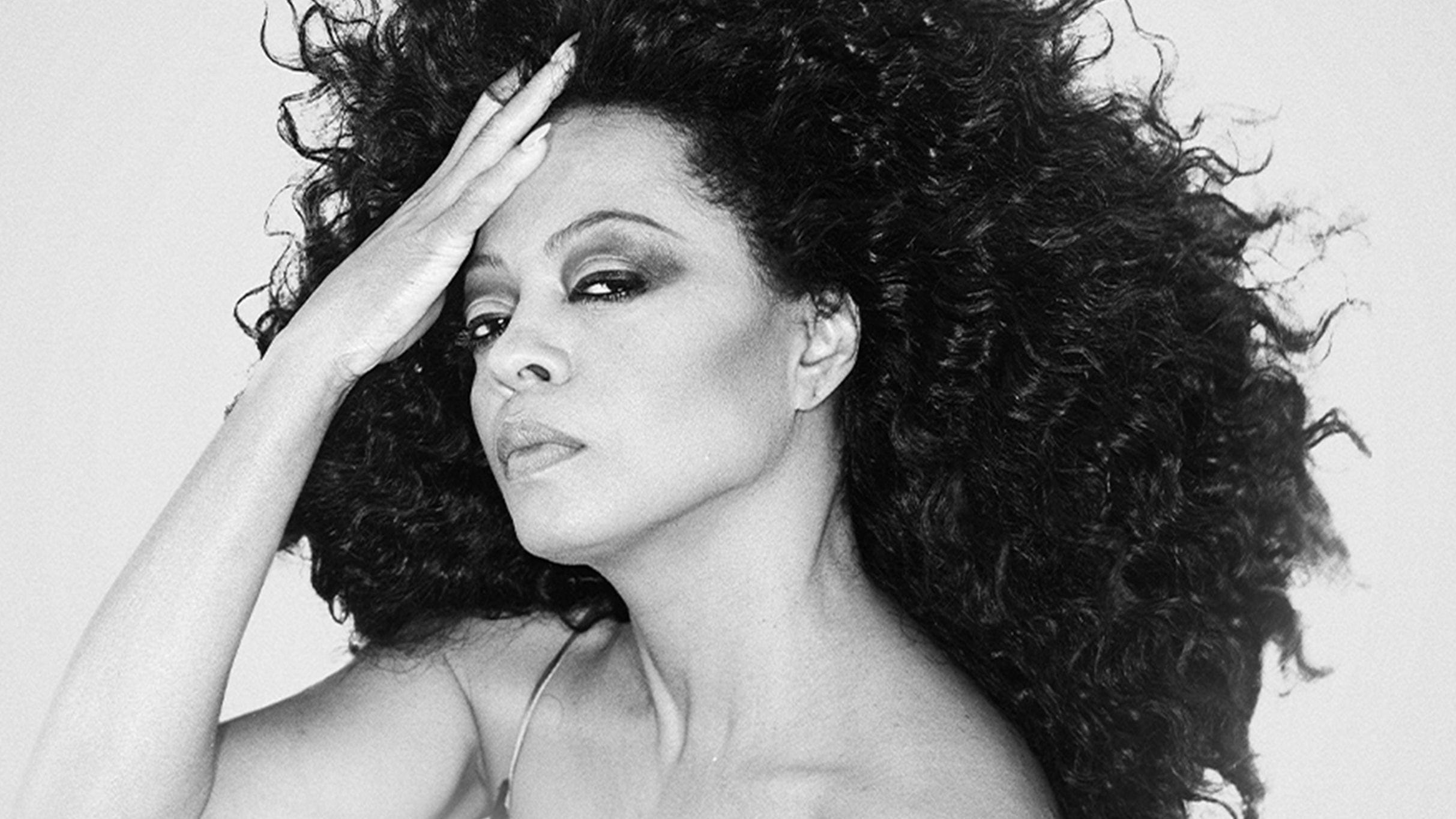
For the longest time, I pointed to Diana Ross as the foremother of the modern pop star. She led The Supremes to multiple No. 1 hits, then successfully transitioned into a solo career. She had distinct “eras,” crossed into film with Lady Sings the Blues and Mahogany, earned major awards, and built a glamorous, instantly recognizable image. From music to fashion to film, she embodied the kind of all-encompassing stardom we now associate with pop icons.
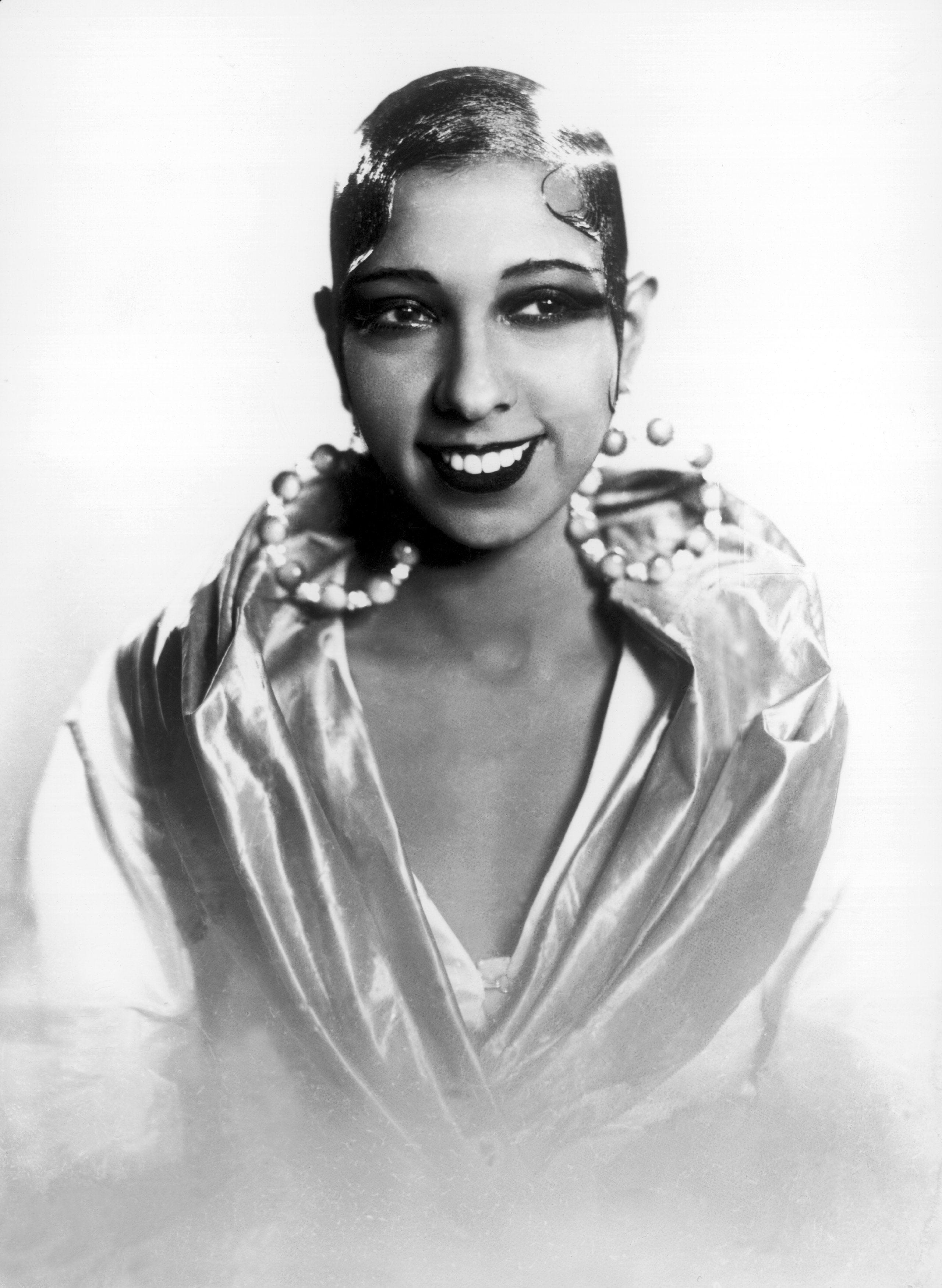
But if we’re really tracing the origins of the modern pop star – the expectation to be a performer, a style icon, a provocateur, and a cultural force all at once – it starts with Josephine Baker.
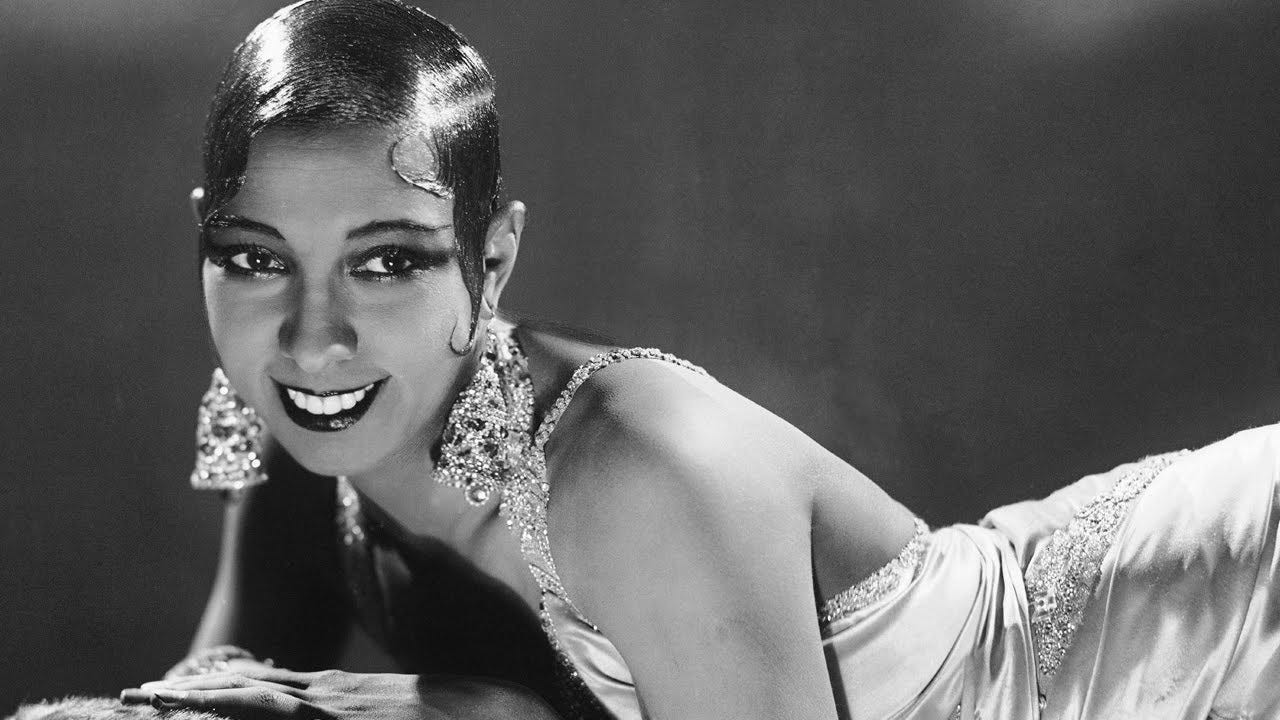
Long before the idea of a “pop star” even existed, Baker was already a complete performer. She sang, danced, acted, and infused humor into her work in a way that made her performances feel three-dimensional. When she rose to fame in 1920s Paris, it wasn’t just because she was talented – it was because she knew how to command attention and hold it.
What makes her feel so modern is how intentionally she crafted her image. Baker wasn’t simply performing. She was constructing a persona. Running a business. Her slicked hair, exaggerated expressions, and dramatic stage presence were instantly recognizable. She understood that image could carry just as much weight as sound, and she used that to create something cohesive and unforgettable.
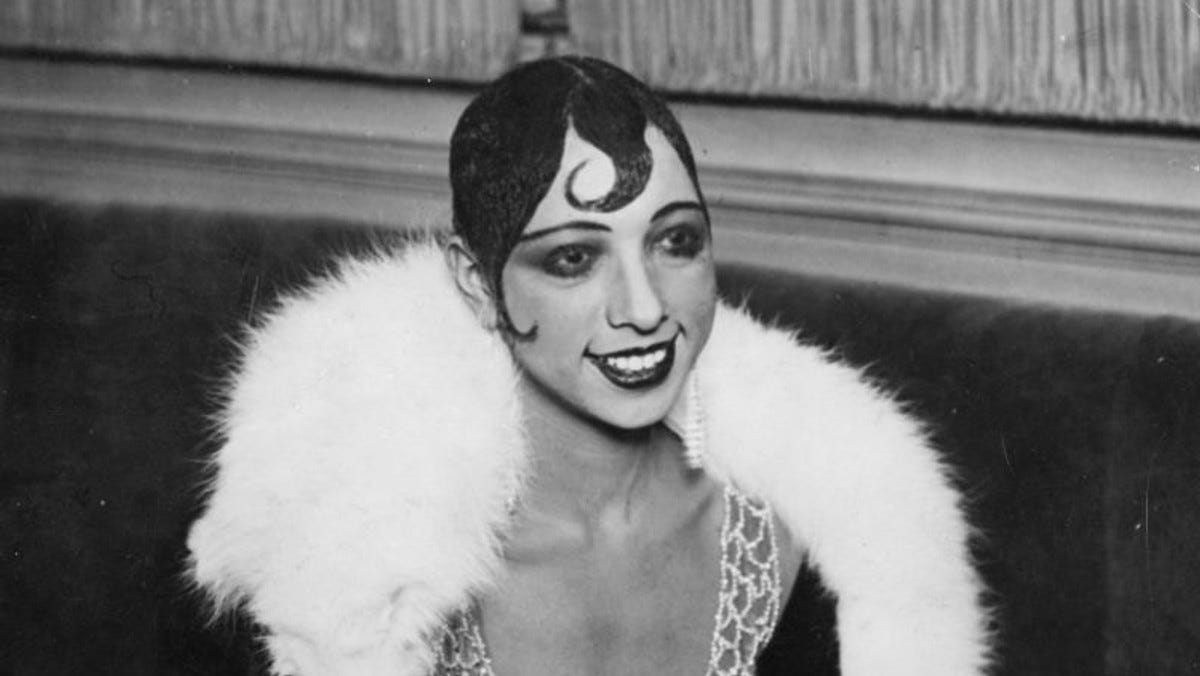
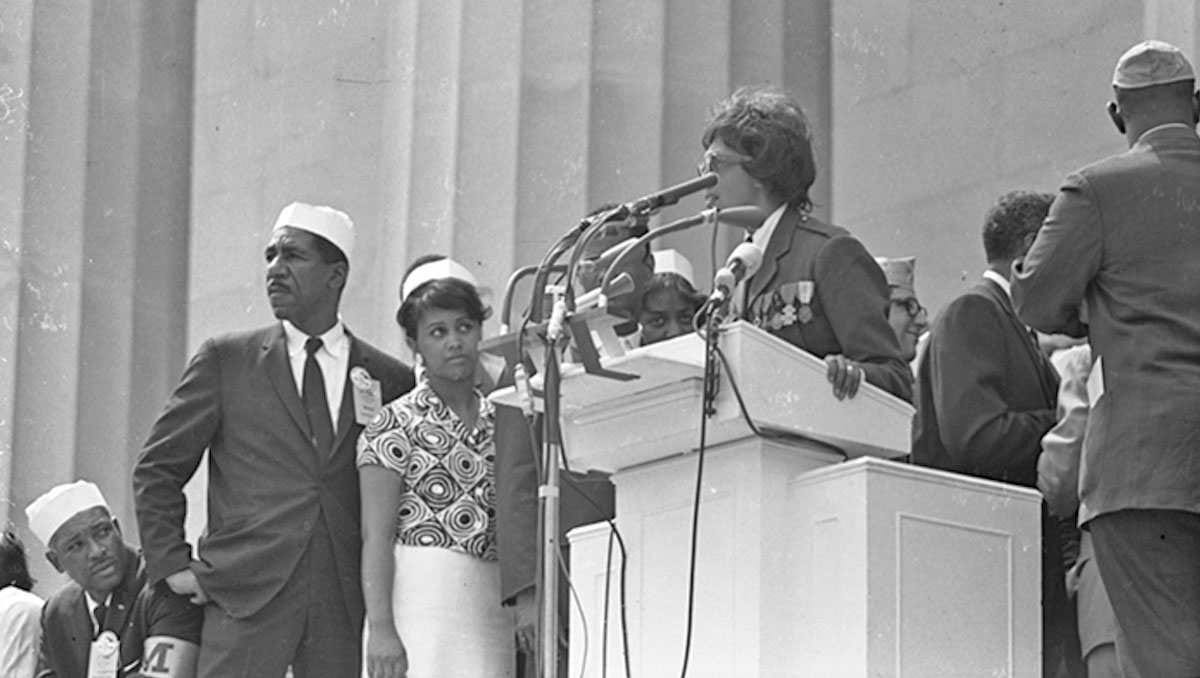
She also expanded what a female star could represent. Baker didn’t separate her art from her beliefs – she used her visibility as a form of power. She refused to perform for segregated audiences, spoke at the March on Washington, and worked with the French Resistance during World War II. That intersection of artistry and activism is something we now expect from major pop stars, but Baker was doing it decades earlier.
She reshaped how sexuality functioned in performance as well. Instead of minimizing it, she made sensuality central to her image, but always on her own terms. At a time when Black women were confined to restrictive stereotypes, she created a version of glamour and desirability that was self-defined and controlled. That same dynamic continues to appear across generations, in artists like Janet Jackson, Doja Cat, or Sabrina Carpenter, who treat their bodies and image as extensions of their artistry rather than something separate from it.
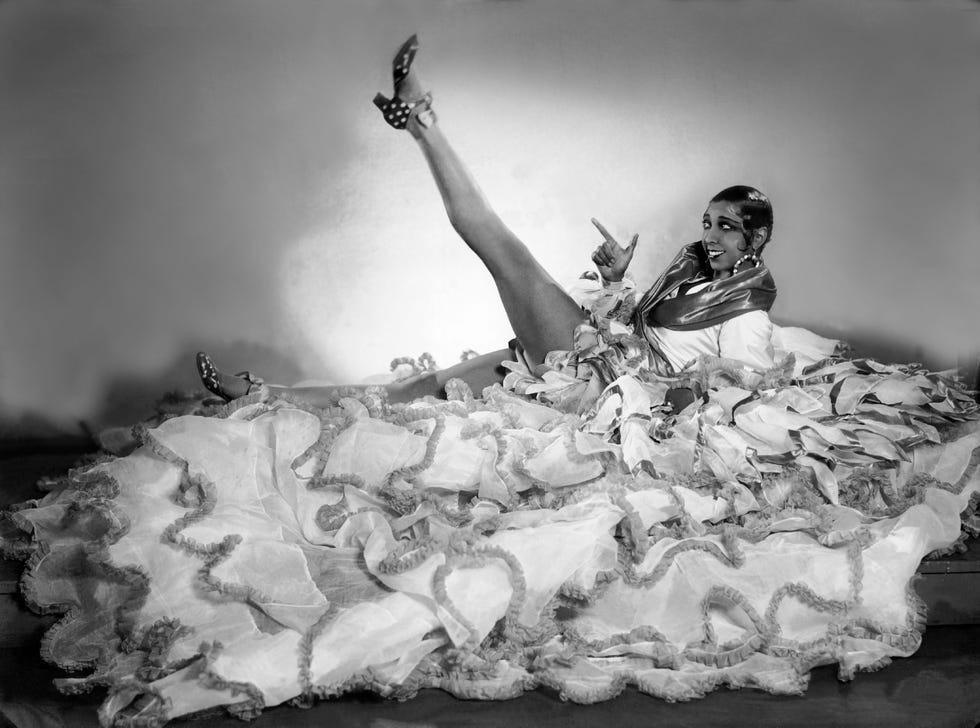
And at the center of all of this was something we now call branding. Baker built a world around herself – one where fashion, performance, and personality were inseparable. Her look was consistent. Her presence was immersive. You didn’t just watch her perform, you experienced an identity.
Before the modern pop star existed, Josephine Baker had already defined it.