


It’s time to trade in your basics for boots, buckles, and fringe, because dressing like a pirate is officially in. And while we still have a couple of months before Halloween, this trend feels somewhat costume-like. But in a good way?
Whether it’s billowy blouses, striped trousers, or enough gold jewelry that you look like thee treasure chest, this trend has the girls looking like they belong in Neverland. So hoist your hemlines, grab your eye patch, and let’s set sail on high s̶e̶a̶s̶ fashion.
Origins: The Golden Age of Piracy
Pirate style dates back to the Golden Age of piracy (1650–1730). Pirates are the GOAT’s of high-low dressing: loose linen shirts, rugged coats, and durable shorts mixed with lace, silk, jewels, and feathers collected from travels across the globe. Female pirates like Mary Read and Anne Bonny broke boundaries by wearing trousers, jackets, and boots when most women wouldn’t dare. Iconic.
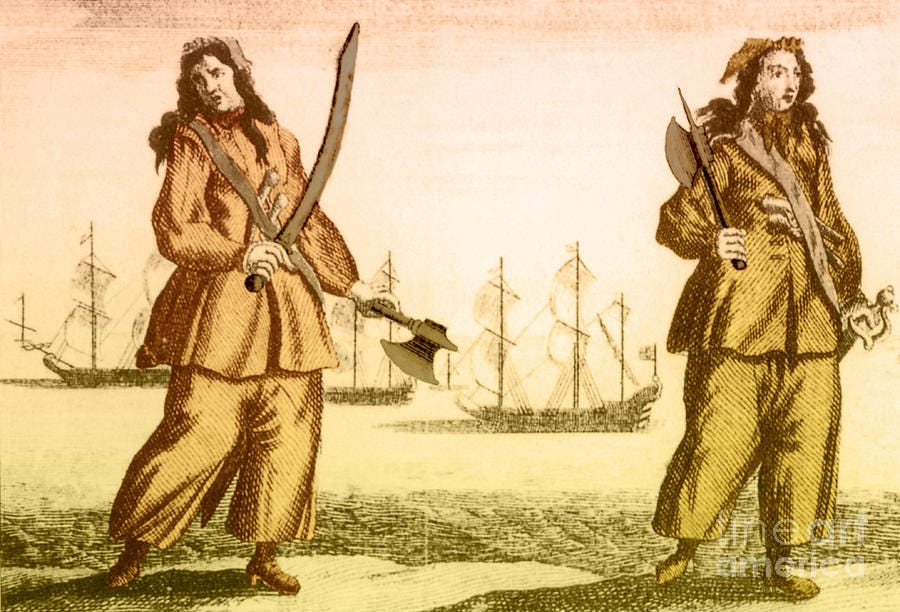
Pirates embodied rebellion and nonconformity. Their style became shorthand for anti-authoritarianism, adventure, and romantic defiance—a spirit that fashionistas alike have long embraced.
Hollywood’s Swashbuckling Revival
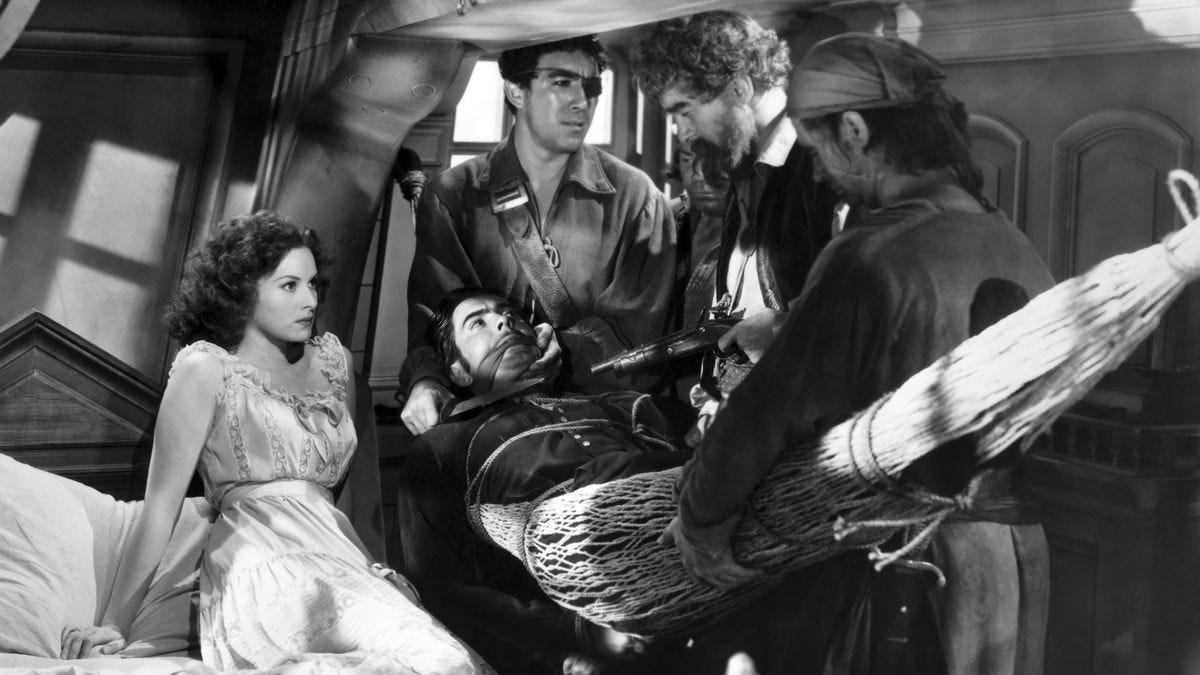
The Golden Age of Hollywood (1920s–1950s) brought pirates to the big screen in films like Captain Blood (1935) and The Black Swan (1942). These cinematic depictions popularized oversized cuffs, dramatic hats, and flamboyant shirts, cementing the theatrical pirate image we still recognize today.
Punk Pirates of the 1970s–80s
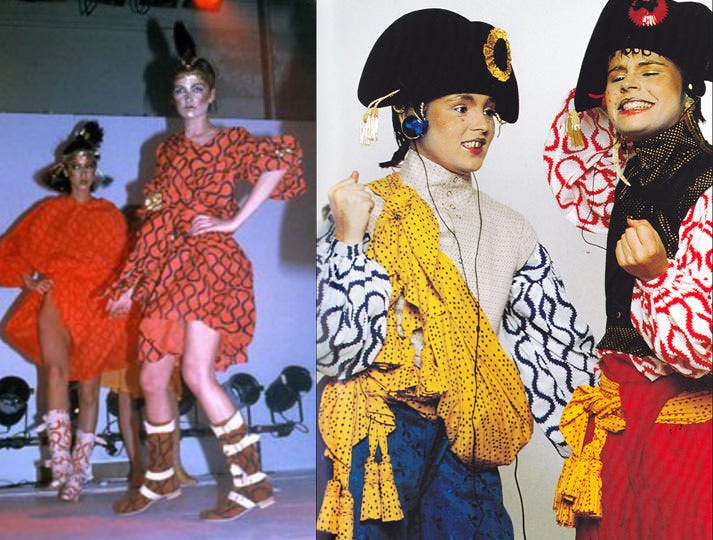
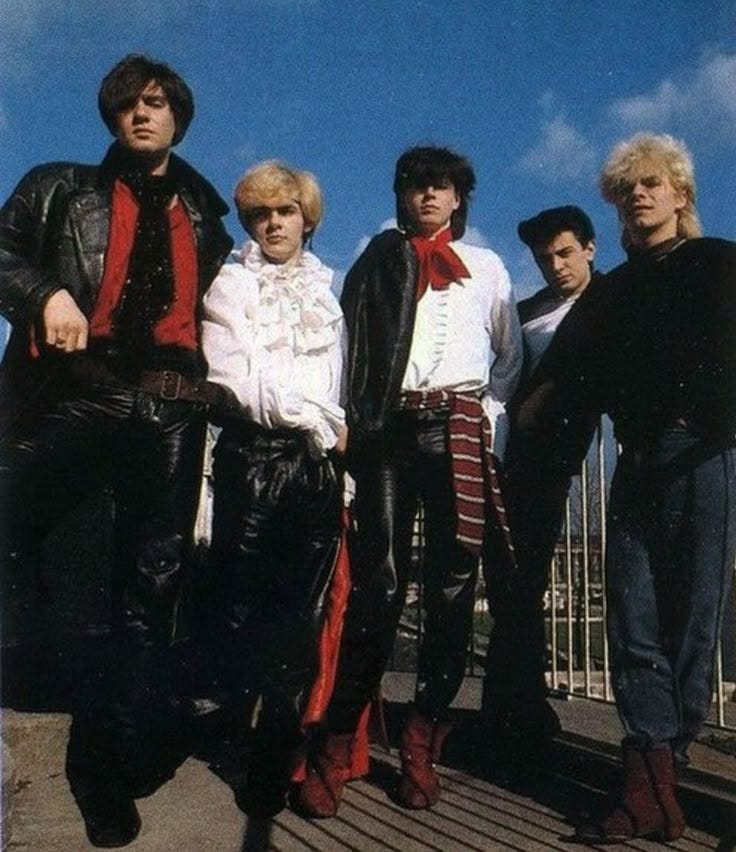
As the punk scene grew into fruition, Vivienne Westwood and Malcolm McLaren’s 1981 Pirate collection redefined the look. Combining 17th-century silhouettes with punk iconography, the collection (marked as one of Westwood’s best) featured frock coats, sashes, and the now-iconic squiggle print. Simultaneously, the UK’s New Romantic scene embraced pirate-inspired style with flamboyant, gender-bending flair—think Boy George, Bow Wow Wow, and Duran Duran.
The 2000s Resurgence
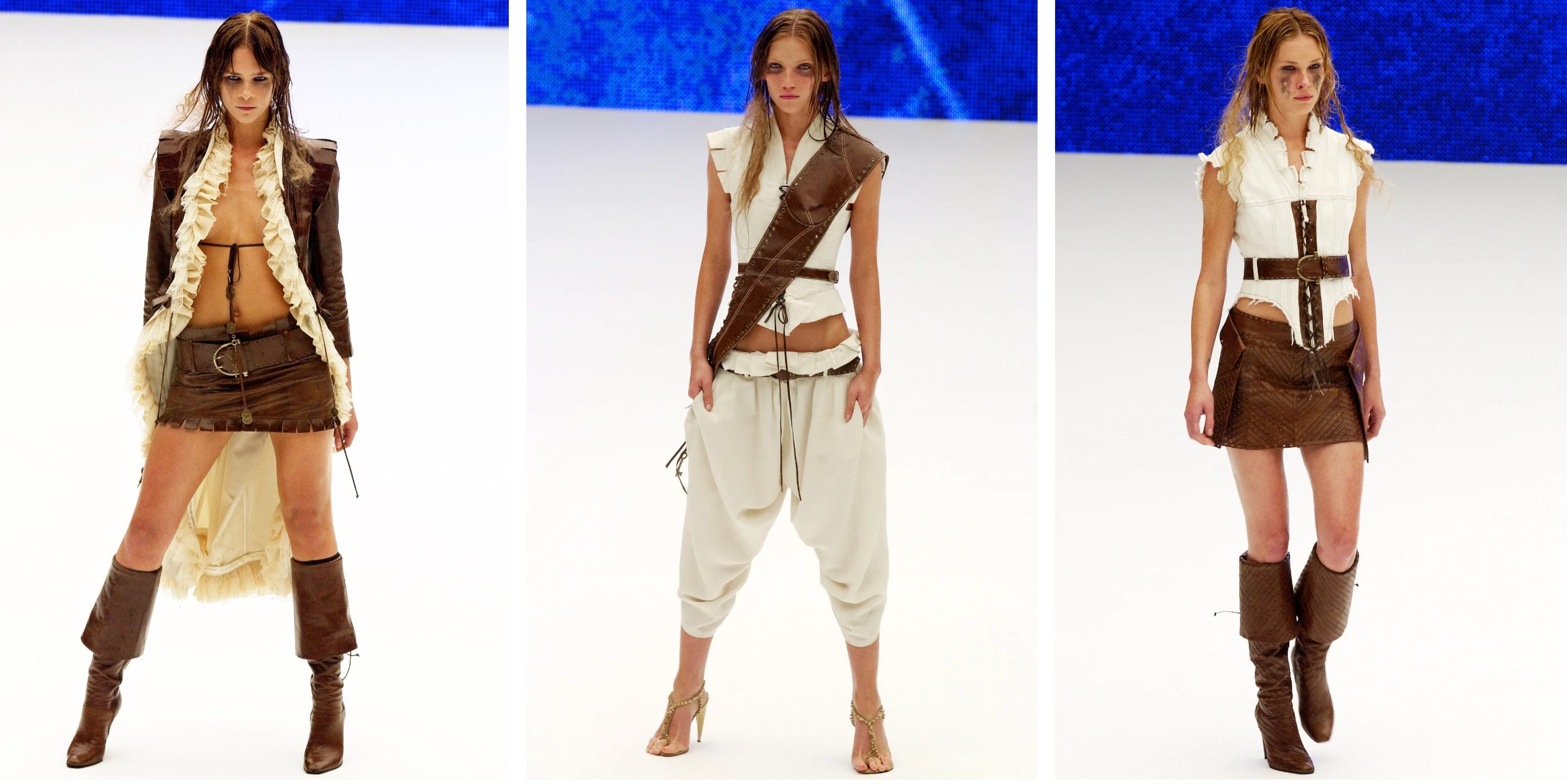
The 2000s were a pop-culture boom. Pirates returned in a big way with Pirates of the Caribbean (2003). The runways and red carpets looked like costume contests, and pirates were a frontrunner. Alexander McQueen’s SS2003 Irere collection staged a pirate shipwreck through shredded fabrics, jerkins (sleeveless jackets), wet hair, and smudged makeup. Soon after came John Galliano’s Dior (SS2005) and Jean Paul Gaultier's (SS2008). They were both adorned in pirate garments: corsetry, tricorn hats, and lace. It was all very theatrical.
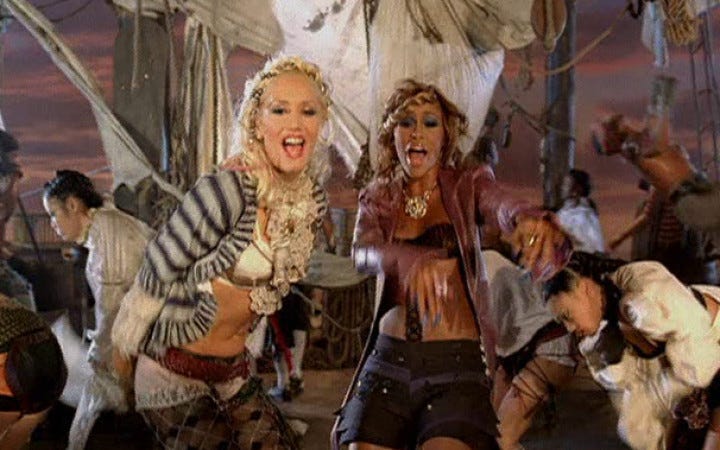
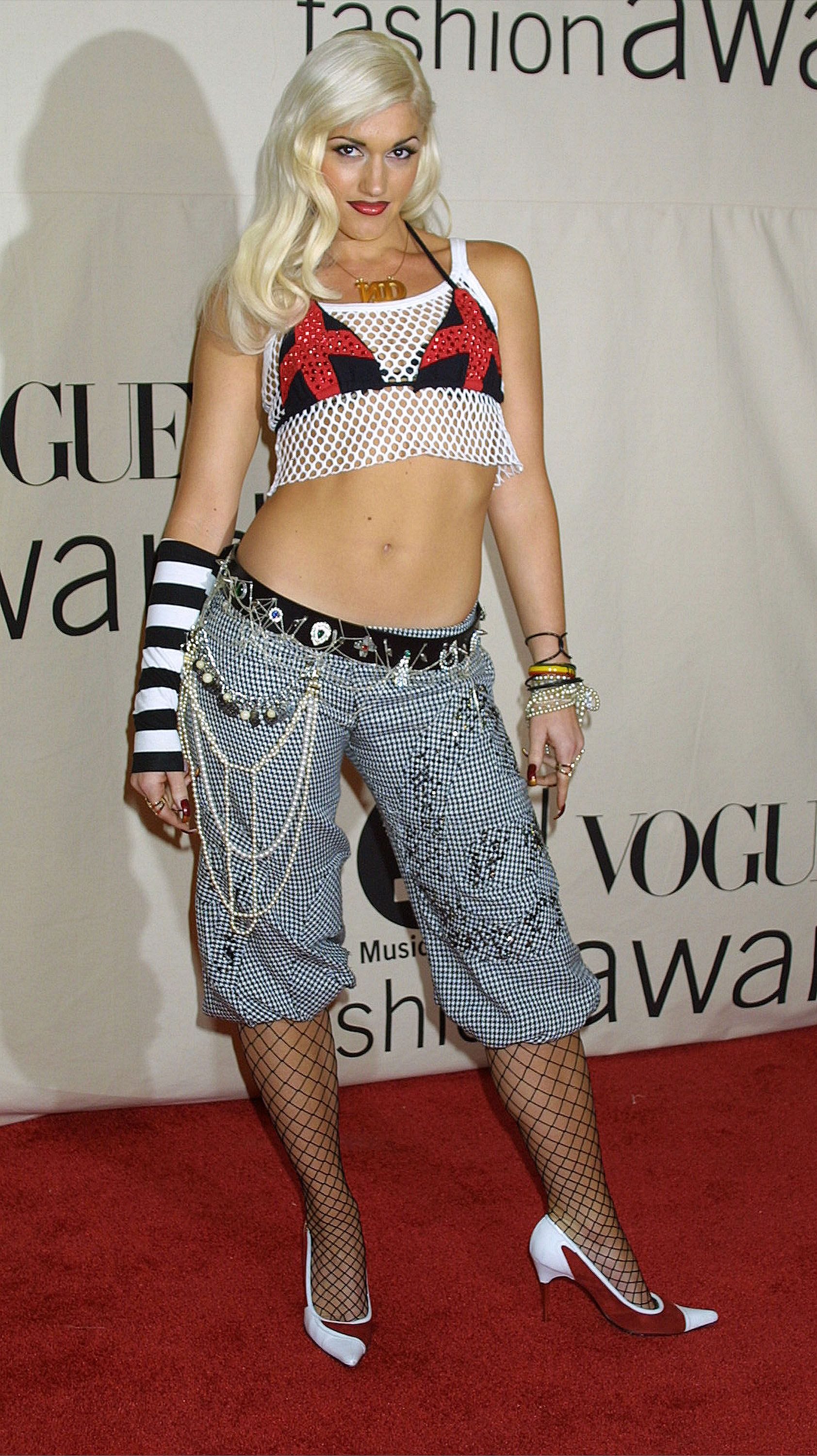
But my favorite pirate moment of the 2000s happened off the runway, when Gwen Stefani became the face of pirate-chic. Her Love.Angel.Music.Baby. era embraced plaid, stripes, knickers, and chunky jewelry. In the David LaChapelle-directed “Rich Girl” video, she merged high camp with pirate-punk aesthetics while name-dropping Galliano and Westwood, her key inspirations.
Today’s Pirate Revival
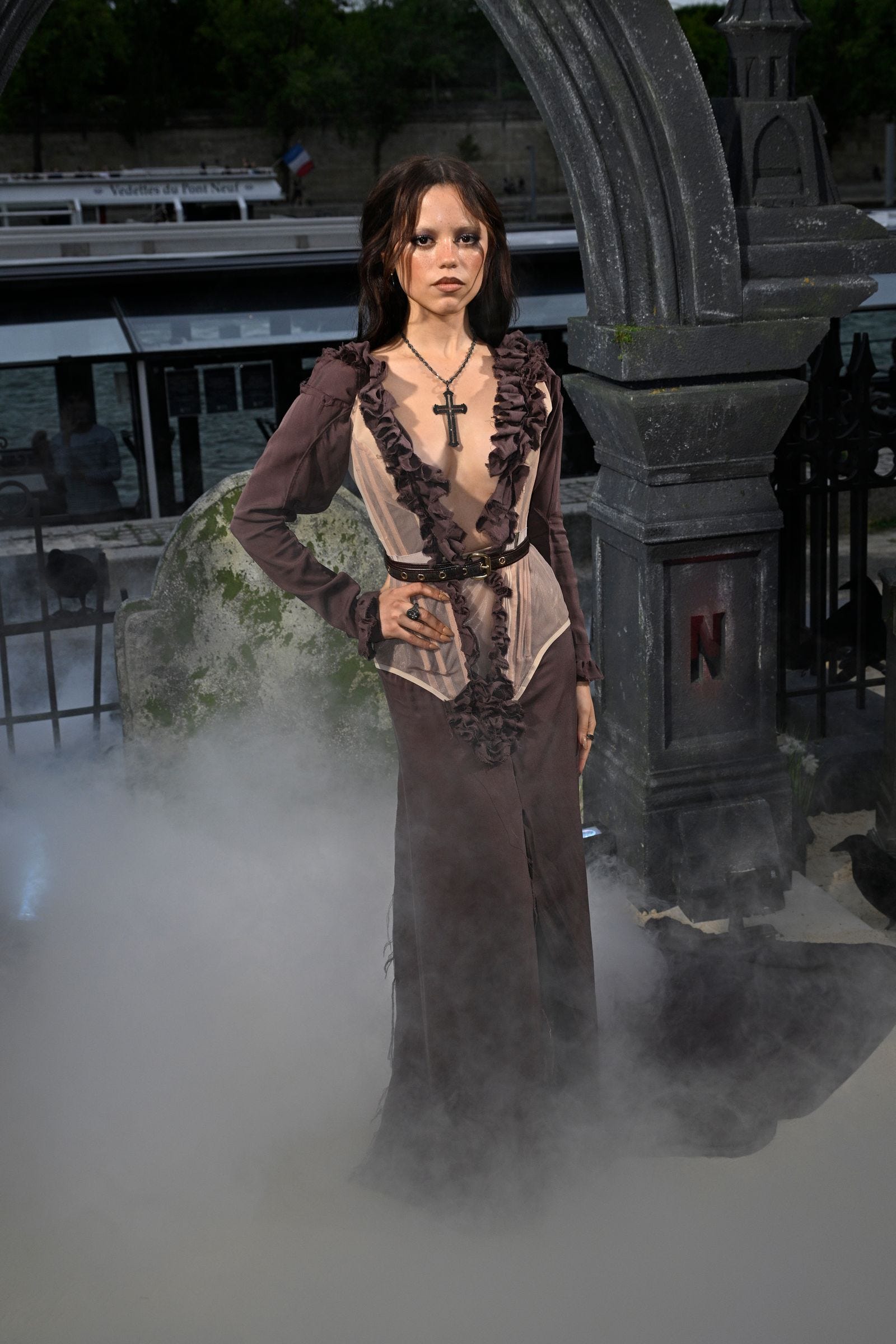
With Y2K fashion fully back, pirate style has re-emerged. Iris Law walked the plank at Cannes in a white Saint Laurent mini with a pirate belt, Charli XCX has sported distressed, seafaring-inspired looks, and Jenna Ortega rocked Fall 2025 Vivienne Westwood during her Wednesday press tour.

Influencers are aboard the ship with low-rise trousers, voluminous blouses, lace-up boots, and chunky jewelry. Adrienne Reau (@ageorama) nails it—her recent looks, especially this reel on Instagram, are pure 2025 pirate perfection.
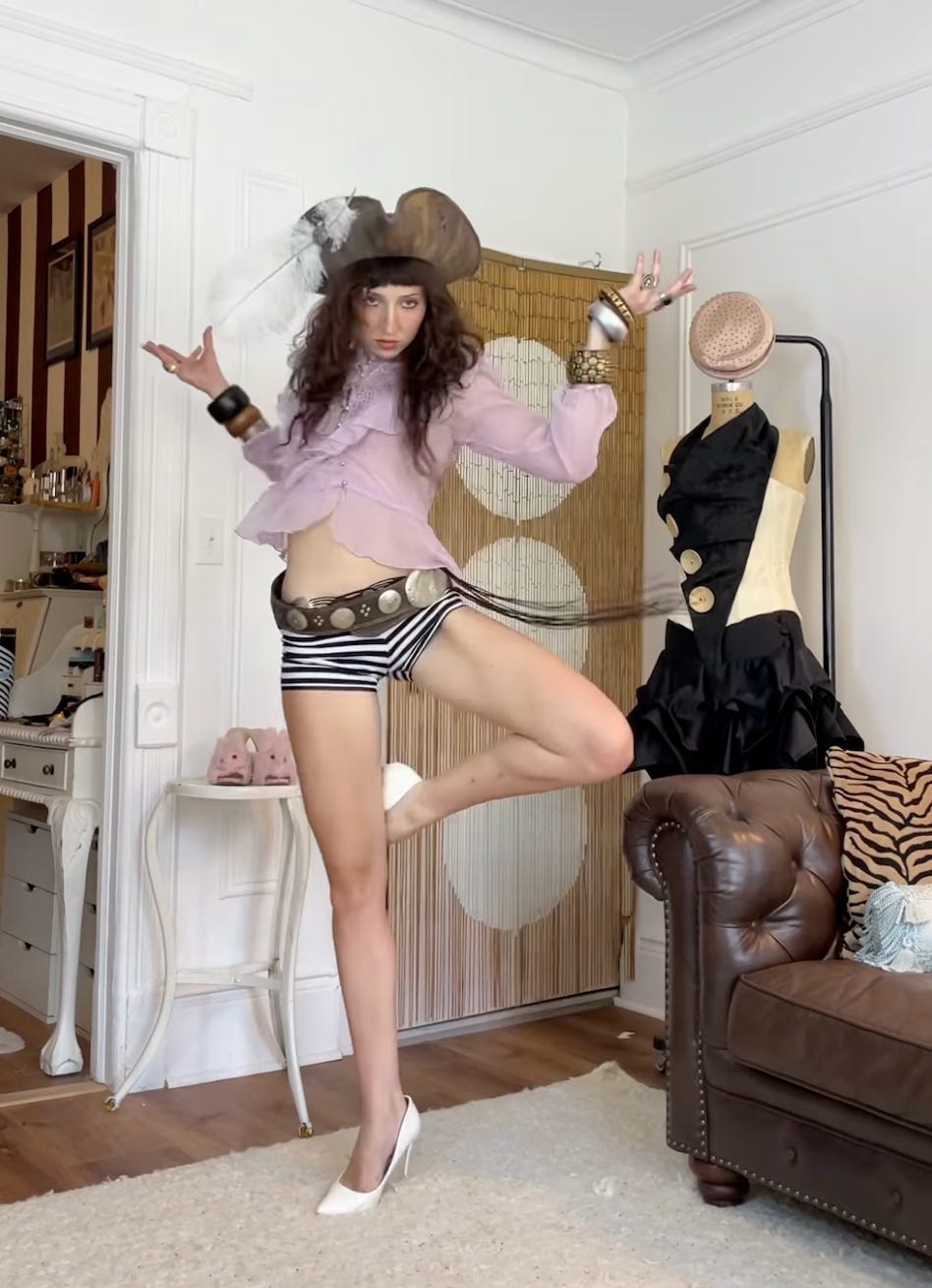
Designers are leaning in as well. Isabel Marant, Chloé, Dior, Louis Vuitton, and Zimmermann have all sent pirate-coded corsets, wide-brimmed hats, voile blouses, and distressed leather down the runway.
Enduring Appeal
From 18th-century outlaws to punk icons and 2000s pop stars, pirate style endures as a rebellious, romantic form of self-expression. It’s dramatic, defiant, and endlessly fun to wear.
So lace up your boots, tighten your corsets, and set sail—the treasure is in the fashion.