


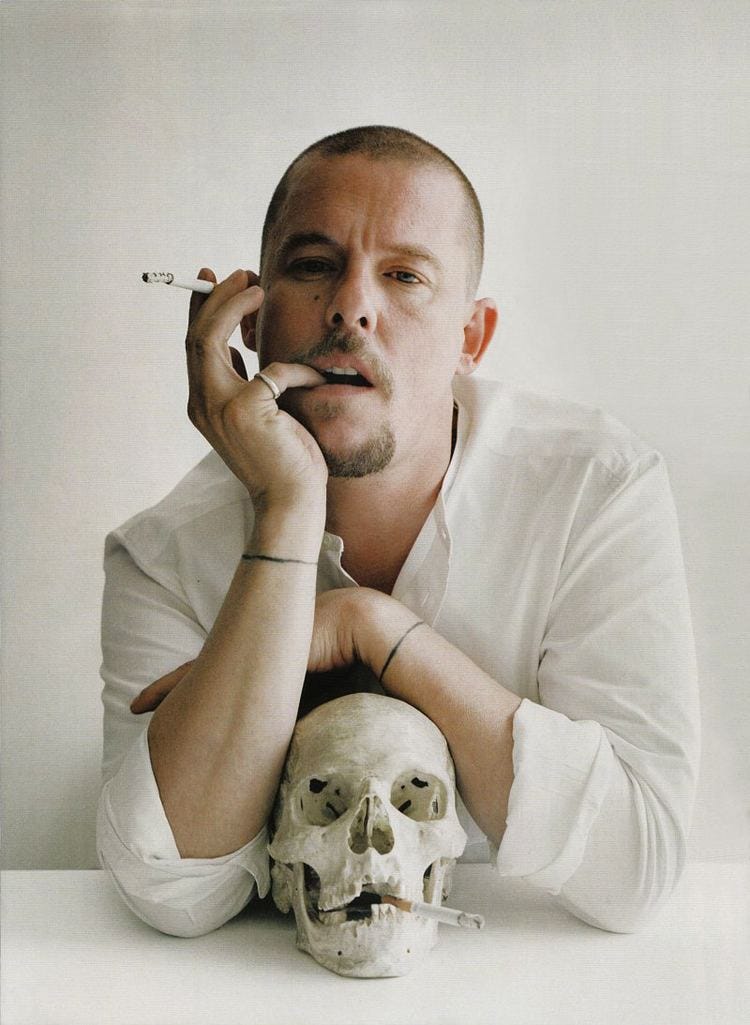
Alexander McQueen’s legacy remains one of the most prominent in modern fashion. Known for his theatrical runway shows, provocative designs, and out-of-this-world creativity, McQueen completely flipped the relationship between fashion and art.
His impact extends far beyond the fashion industry, resonating in popular culture, music, and media as a whole. McQueen’s ability to blend storytelling with design has ensured his relevance even years after his passing.
Challenging Norms and Redefining Beauty
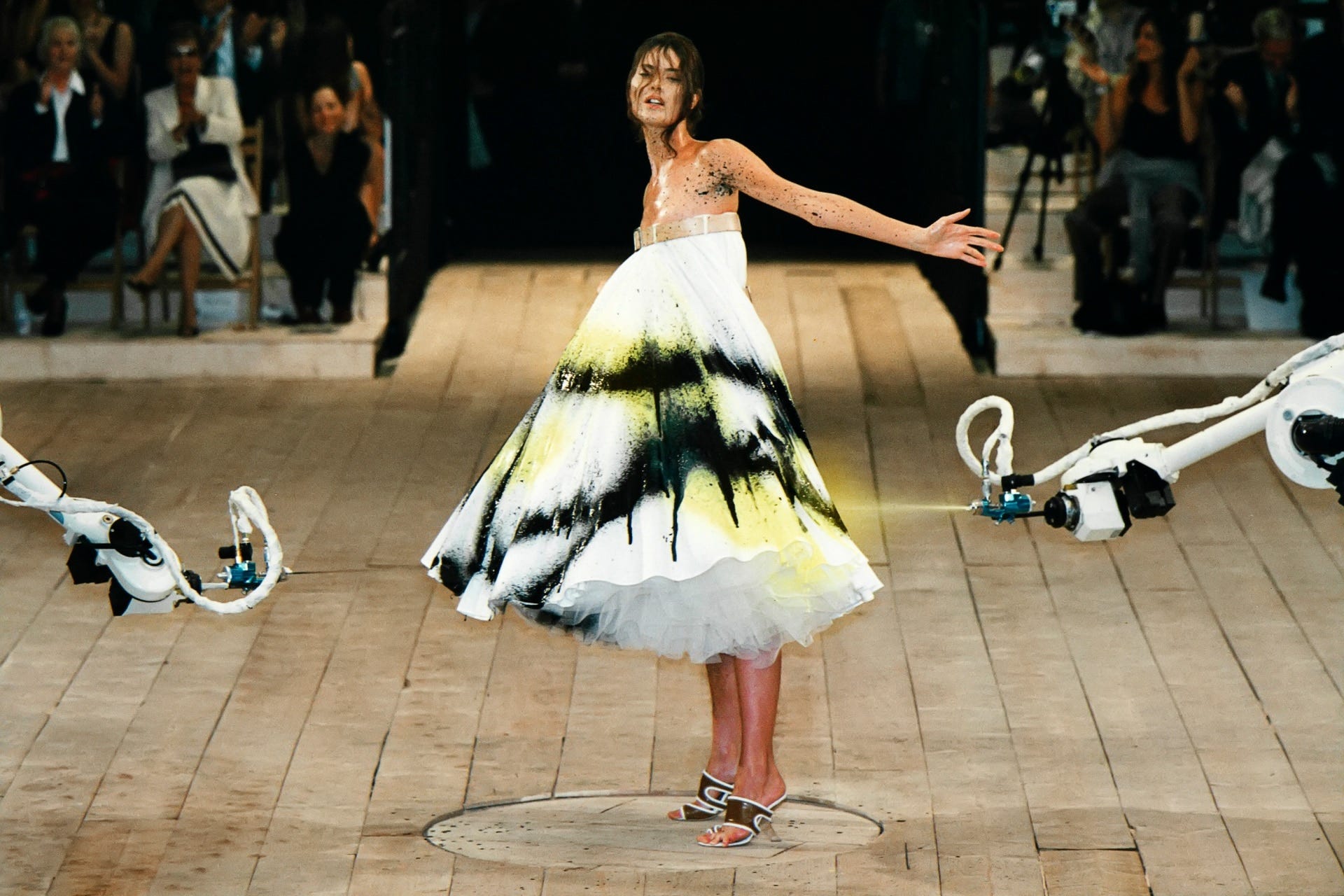
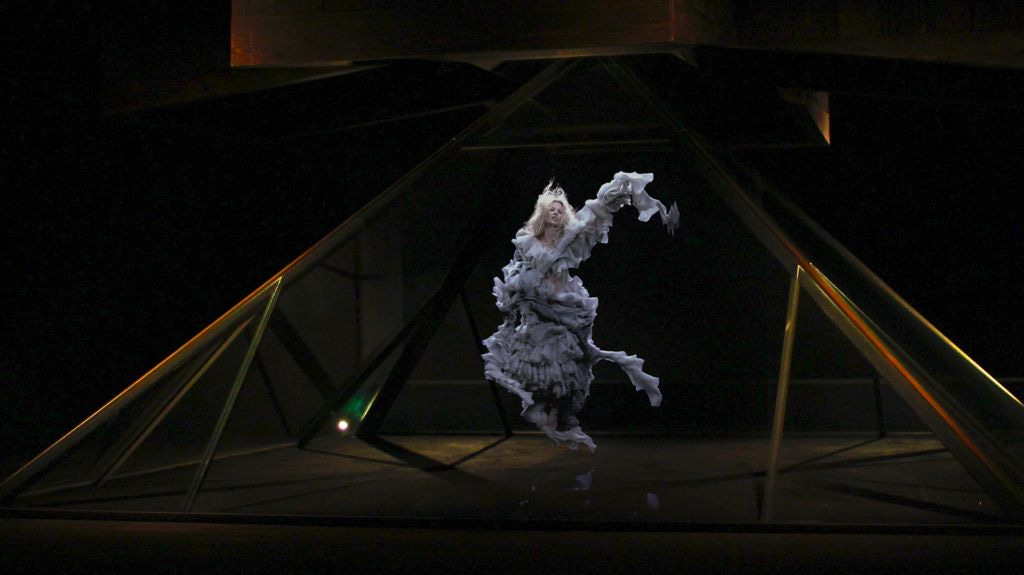
At the center of Alexander McQueen’s work was his tendency to challenge norms and redefine standards of beauty. McQueen’s shows were renowned for their drama and performance art, with unforgettable moments like the robot-spray-painted dress in Spring/Summer 1999 and the haunting hologram of Kate Moss in Autumn/Winter 2006:
The Spring/Summer 1999 collection concluded with the iconic live performance by Shalom Harlow. Wearing a simple white strapless dress, Harlow stood on a rotating platform as two industrial robots armed with spray paint cans sprayed the garment. Originally designed for car manufacturing, the robots moved around her in a dance-like manner, splattering the dress with black and neon yellow paint. This moment challenged traditional notions of design in the ’90s and cemented McQueen as one of the greats.
Similarly, at the end of his Autumn/Winter 2006 Widows of Culloden collection, an ethereal hologram of Kate Moss emerged from a glass pyramid. The hologram depicted Moss in a flowing organza gown, moving to the haunting melody of Schindler’s List. Created using an updated version of the Victorian-era illusion technique Pepper’s Ghost, this masterpiece blended fashion with performance art, capturing themes of beauty, nostalgia, and mortality.
Bold Silhouettes and Provocative Designs
Alexander McQueen loved to combine history with provocative innovation, crafting garments that were both shocking and stunning. His bold silhouettes set him apart from other designers, pushing beyond traditional shapes to embrace armor-like forms that empowered women.
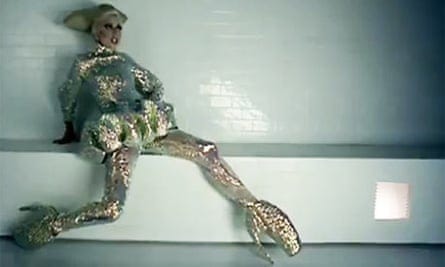
Iconic pieces like the low-rise "bumster" trousers, the armadillo shoes (famously worn by Lady Gaga in the “Bad Romance” music video), and the skull scarf didn’t just shift trends—they redefined how women in fashion could be viewed. McQueen’s designs weren’t always the “pretty” that the fashion world expected. Instead, they transcended conventional beauty, embracing a whole new depth of meaning.
Fashion That Tells a Story
It wasn’t just about the silhouettes—McQueen’s work told stories that juxtaposed fragility with strength, life with death, and beauty with grotesqueness. For instance, his controversial Highland Rape collection was initially accused of glorifying the victimization of women but was actually a commentary on Scotland’s historical struggles.
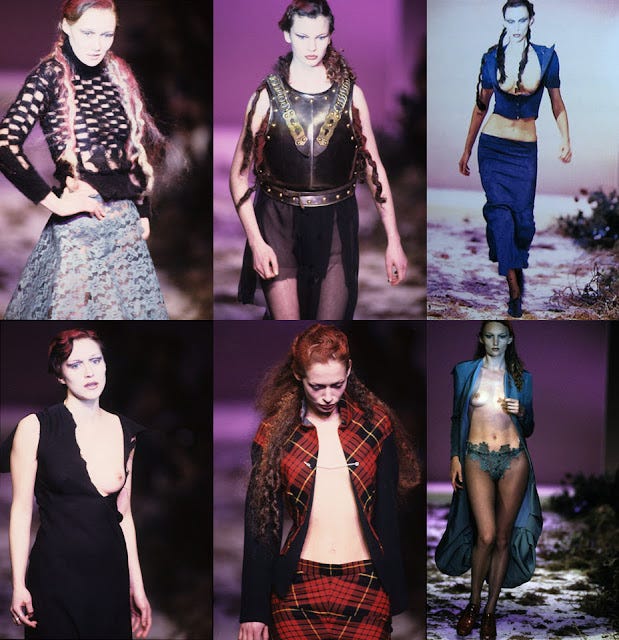
Similarly, his bumster trousers redefined eroticism in the late 1990s, sparking the low-rise trend of the era. McQueen’s ability to weave innovation into storytelling allowed his work to transcend fashion and become art.
An Influence Across Generations
McQueen’s influence extends far beyond the runway and even his death in 2010. Beyoncé’s Renaissance World Tour (2023) featured custom Alexander McQueen pieces, including an embroidered bodysuit. Billie Eilish’s 2021 British Vogue cover showcased her in a McQueen corset gown, highlighting how his vision of empowerment resonates with newer generations.
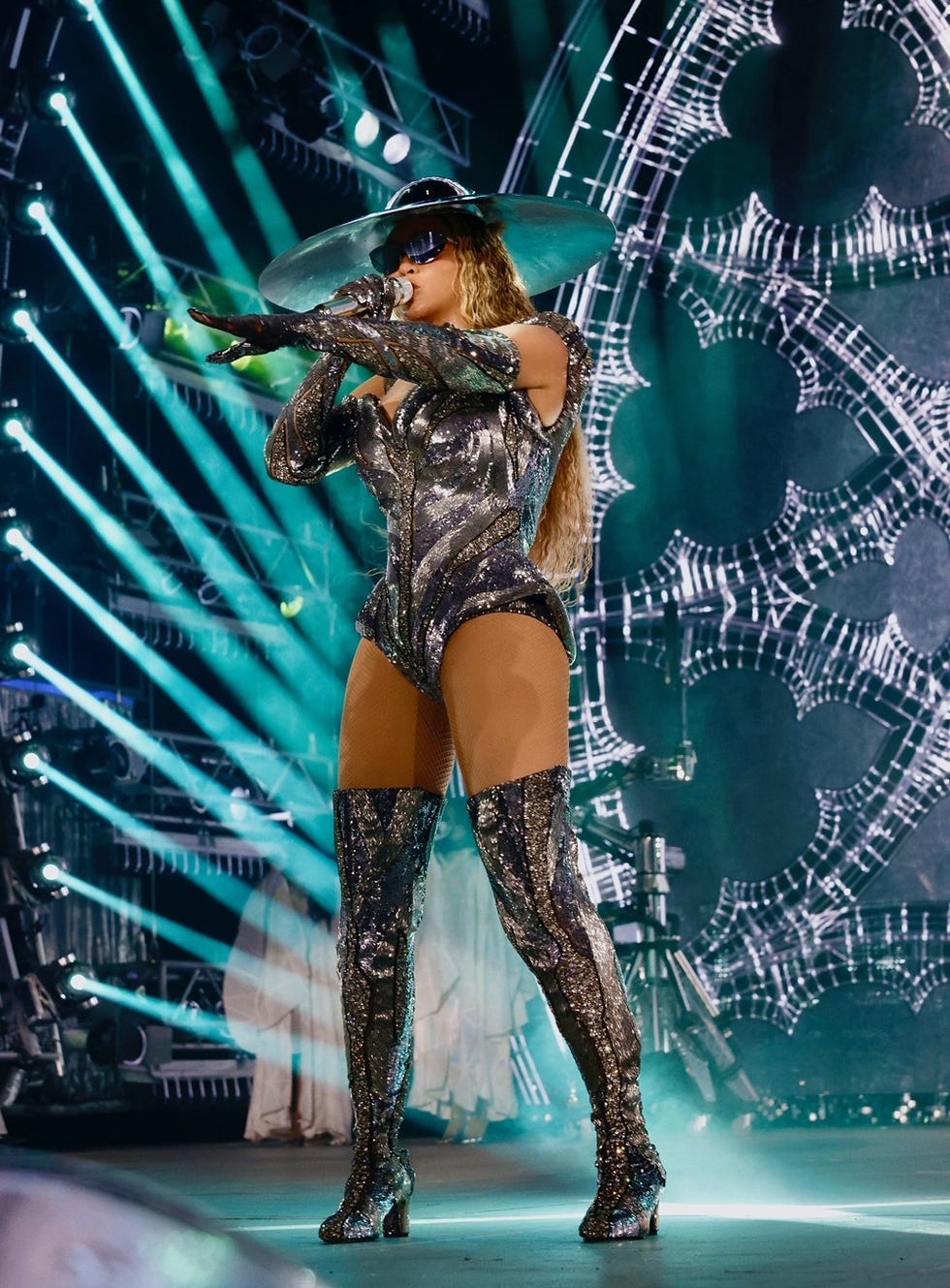
These moments illustrate how McQueen’s designs have transcended fashion to become cultural symbols. Kate Middleton’s McQueen wedding dress reinforced the brands’ British identity that McQueen cherished.
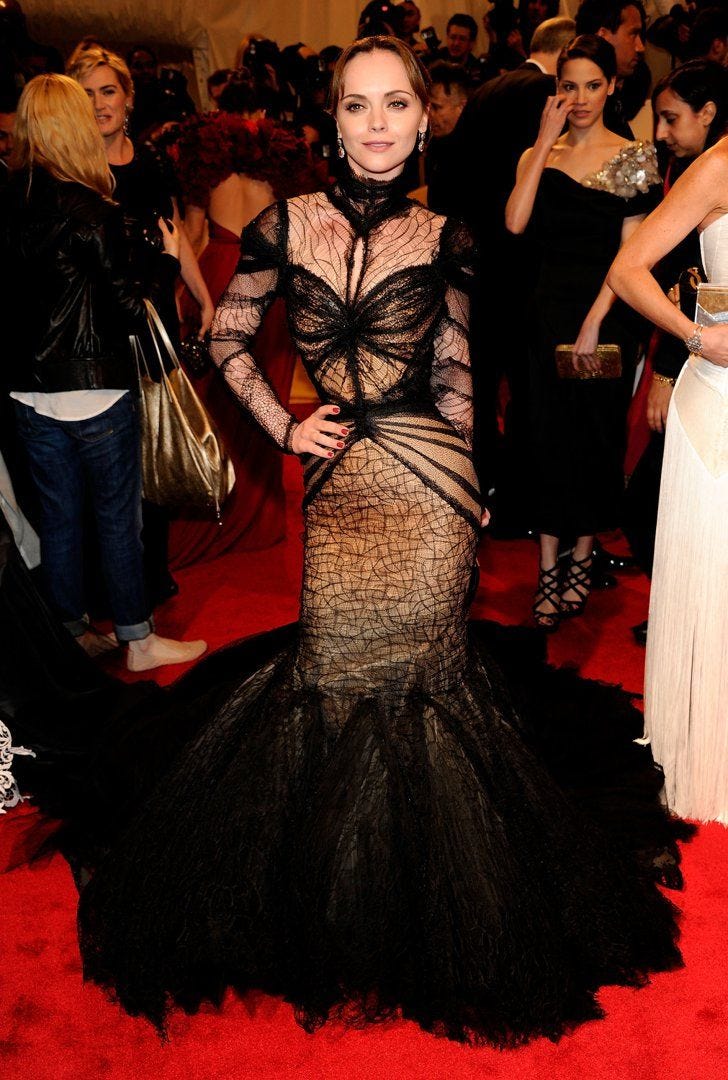
Even the 2011 MET Gala, titled Savage Beauty, honored McQueen’s legacy and became one of the most attended exhibitions in the museum’s history. Together, these examples prove how McQueen’s work continues to define moments of cultural significance.
A Legacy of Fearless Creativity
McQueen’s impact on fashion is unparalleled. He brought storytelling, artistry, and raw emotion into the fashion world, transforming garments into cultural commentary. His ability to explore themes of life, death, and identity continues to inspire designers and artists today.
Few designers have redefined fashion as boldly as Alexander McQueen. This year, I was lucky enough to experience the magic of his work up close at the Grand Rapids Art Museum's exhibition, Lee Alexander McQueen & Ann Ray: Rendez-Vous. The collection gave me a rare glimpse into the creative partnership that shaped McQueen’s career, in which clothing was traded for photography.
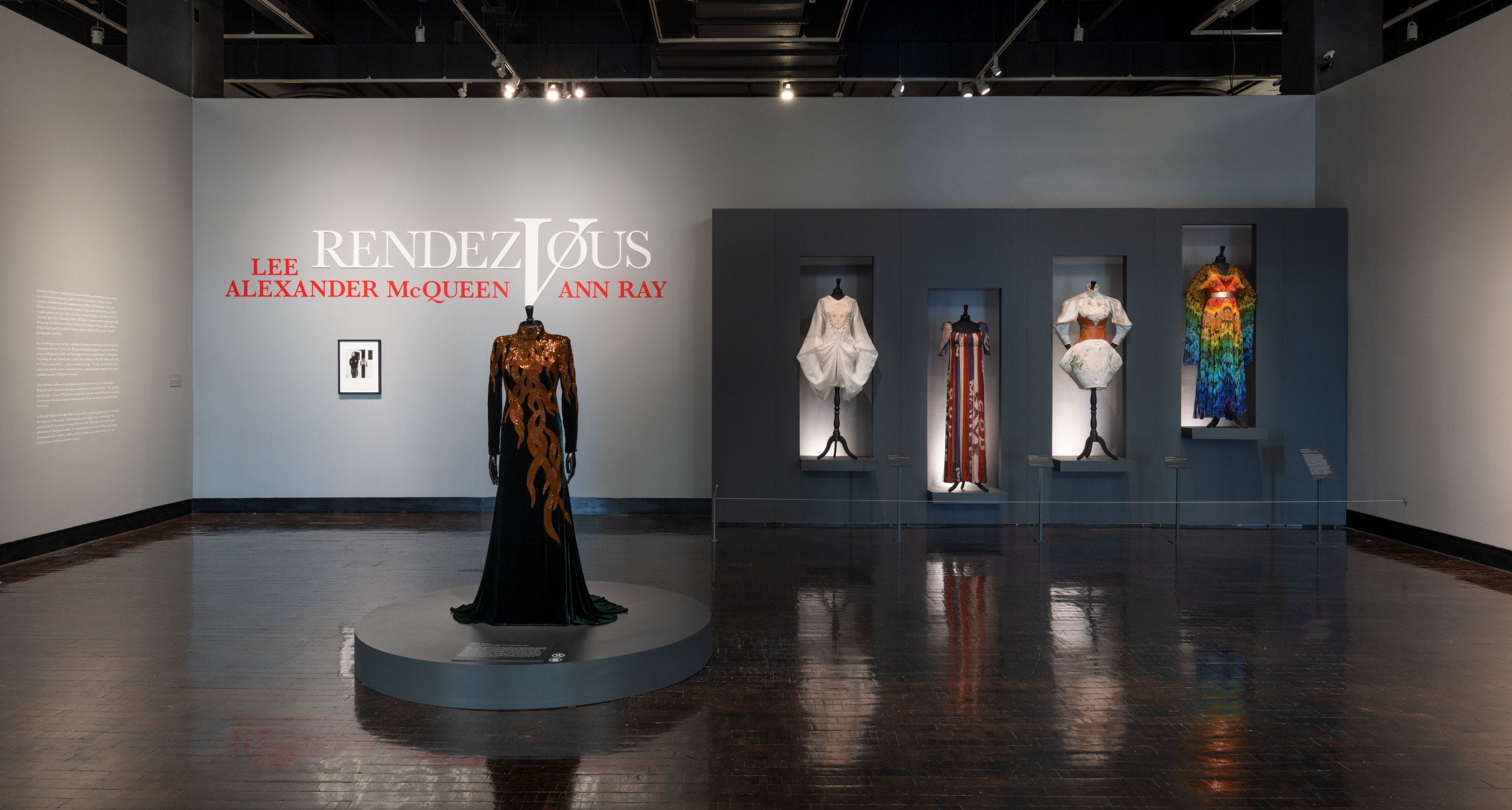
Standing before McQueen’s work, I was reminded that fashion isn’t just about clothes—it’s about challenging conventions, taking risks, and telling stories. McQueen’s legacy inspires us all to embrace creativity fearlessly in art, fashion, and life.