


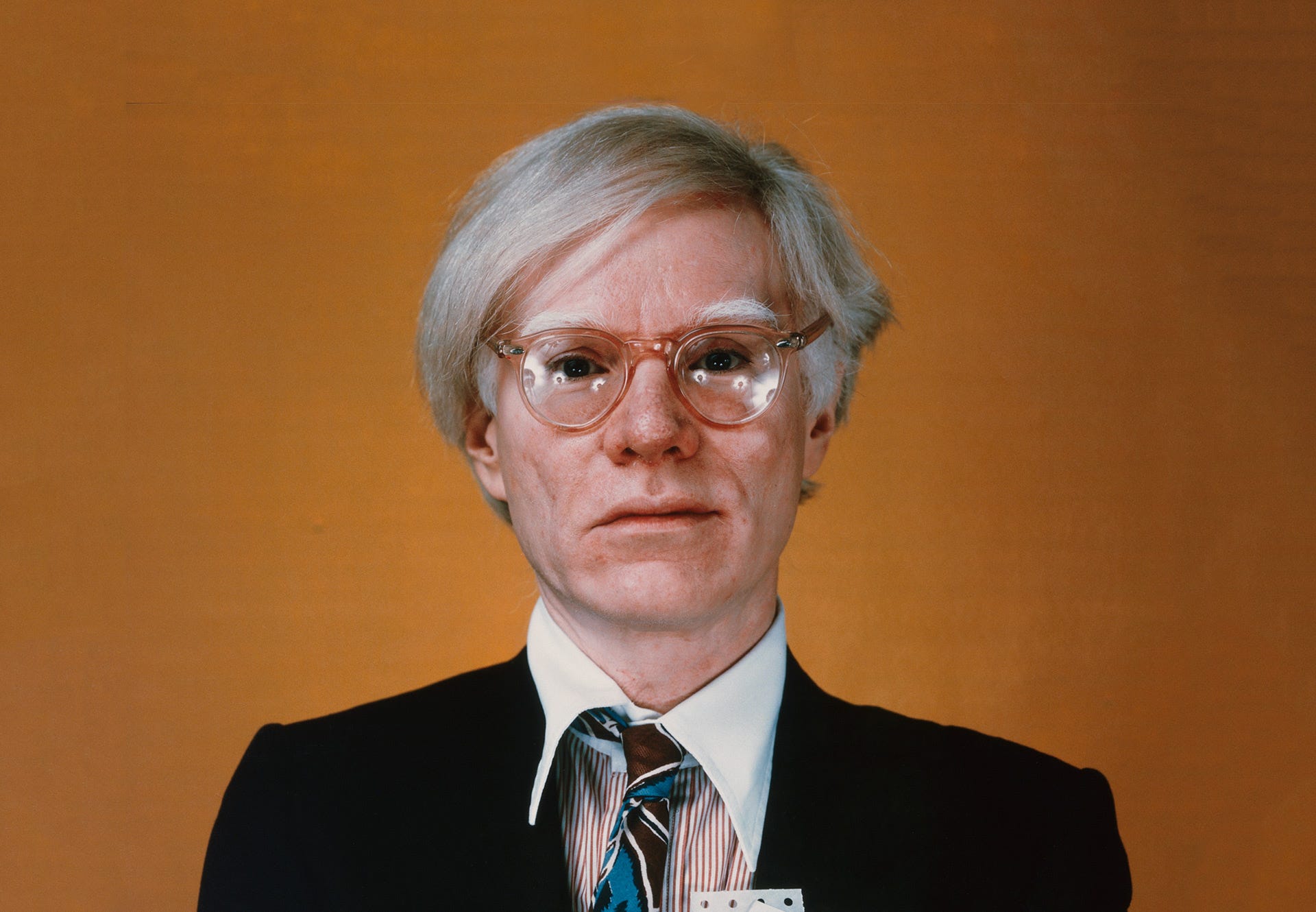
Andy Warhol, the artist who originated the Pop Art movement, is undoubtedly one of the most impactful individuals in contemporary art and pop culture. A friend of Elizabeth Taylor, Liza Minnelli, Debbie Harry, Grace Jones, Mick Jagger, Basquiat, and Yoko Ono, art of all forms was plentiful in his circle. To anyone who craves creativity and the thrill of the unconventional, he lived the dream.
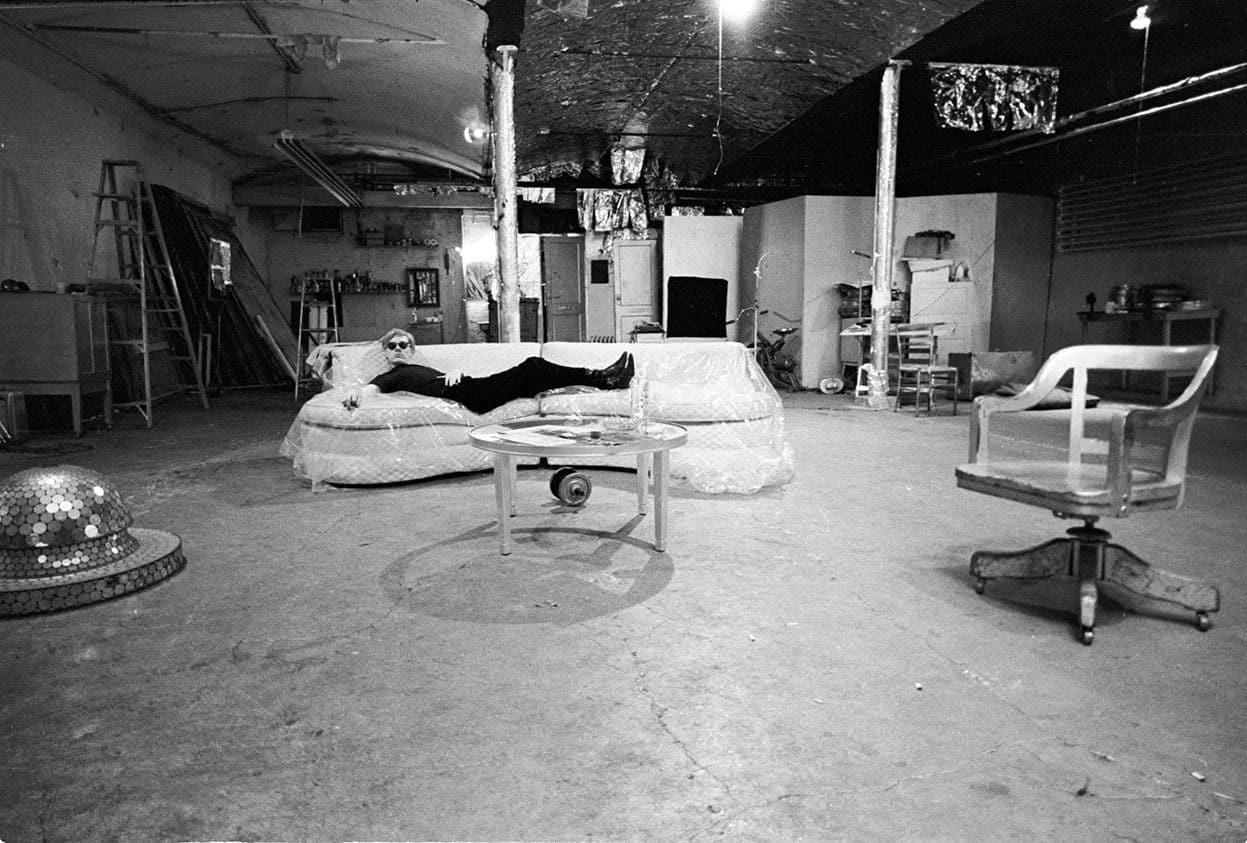
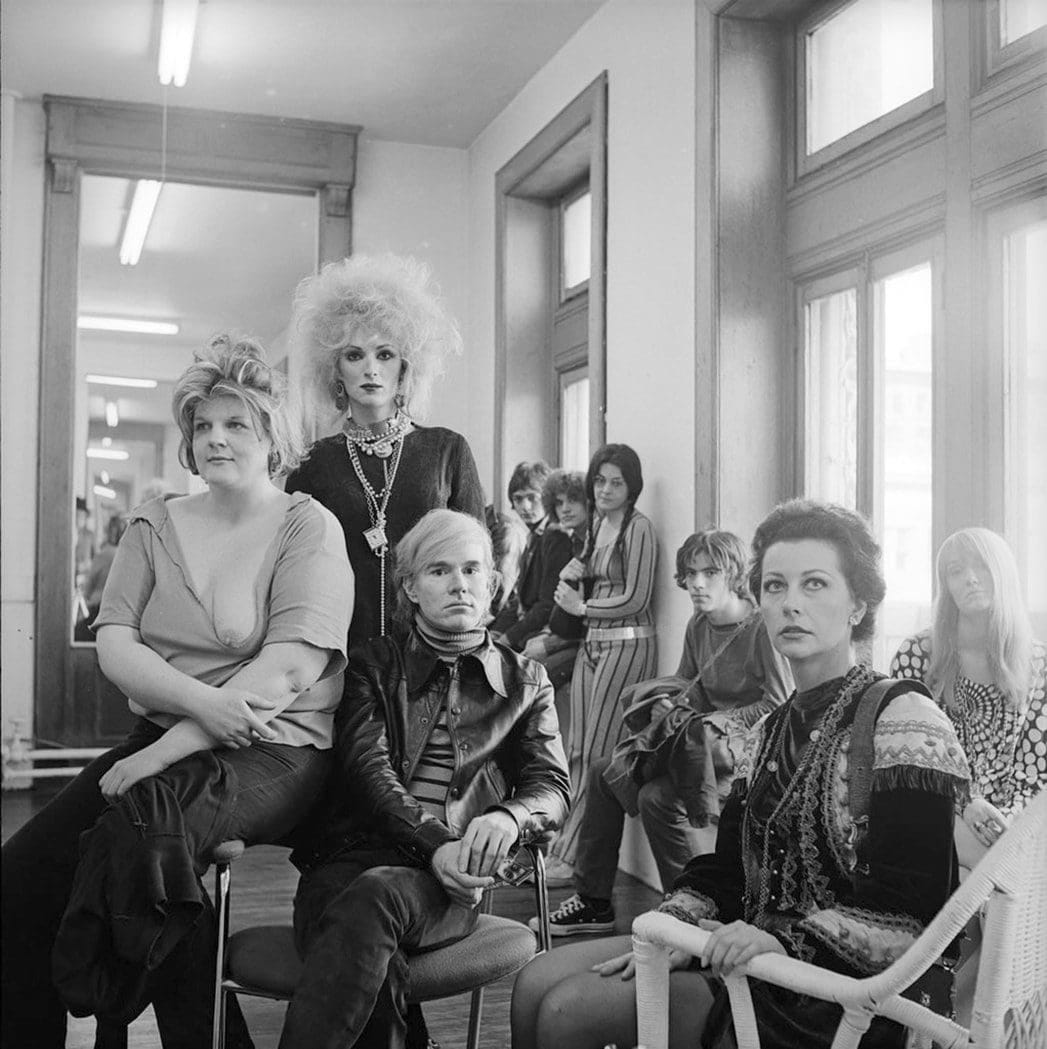
Warhol wasn’t just about art. His influence spilled into music, fashion, nightlife—his studio, The Factory, was a hub for 1960s and 1970s genius. An eclectic mix of artists like The Velvet Underground, Edie Sedgwick, Judy Garland, and a wave of brilliant drag queens, drug addicts, and free-thinkers all contributed to its electric atmosphere. To me, it sounds like a chaotic heaven.
And perhaps the most iconic symbol of Warhol’s greatness is Marilyn Diptych (1962). Andy Warhol and Marilyn Monroe? A dream team; an exquisite example of '60s cool.
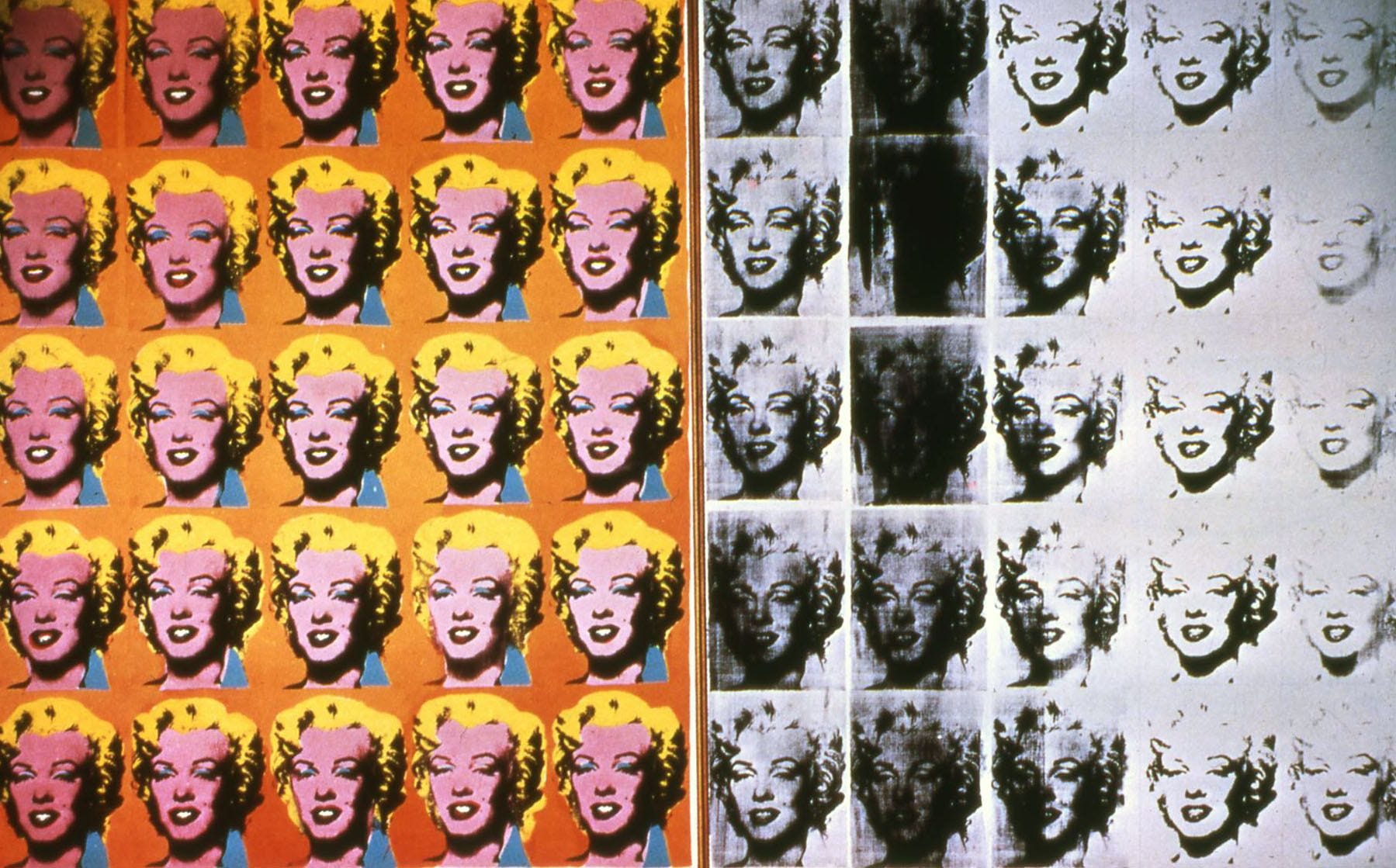
Created shortly after Monroe’s death, this silkscreen painting features 50 images derived from a publicity photo for the film Niagara (1953). Warhol’s artistry was fueled by his obsession with the cult of fame. Monroe was the quintessential representation of what fame meant—its allure, its pressure, its tragedy. That duality fascinated him.
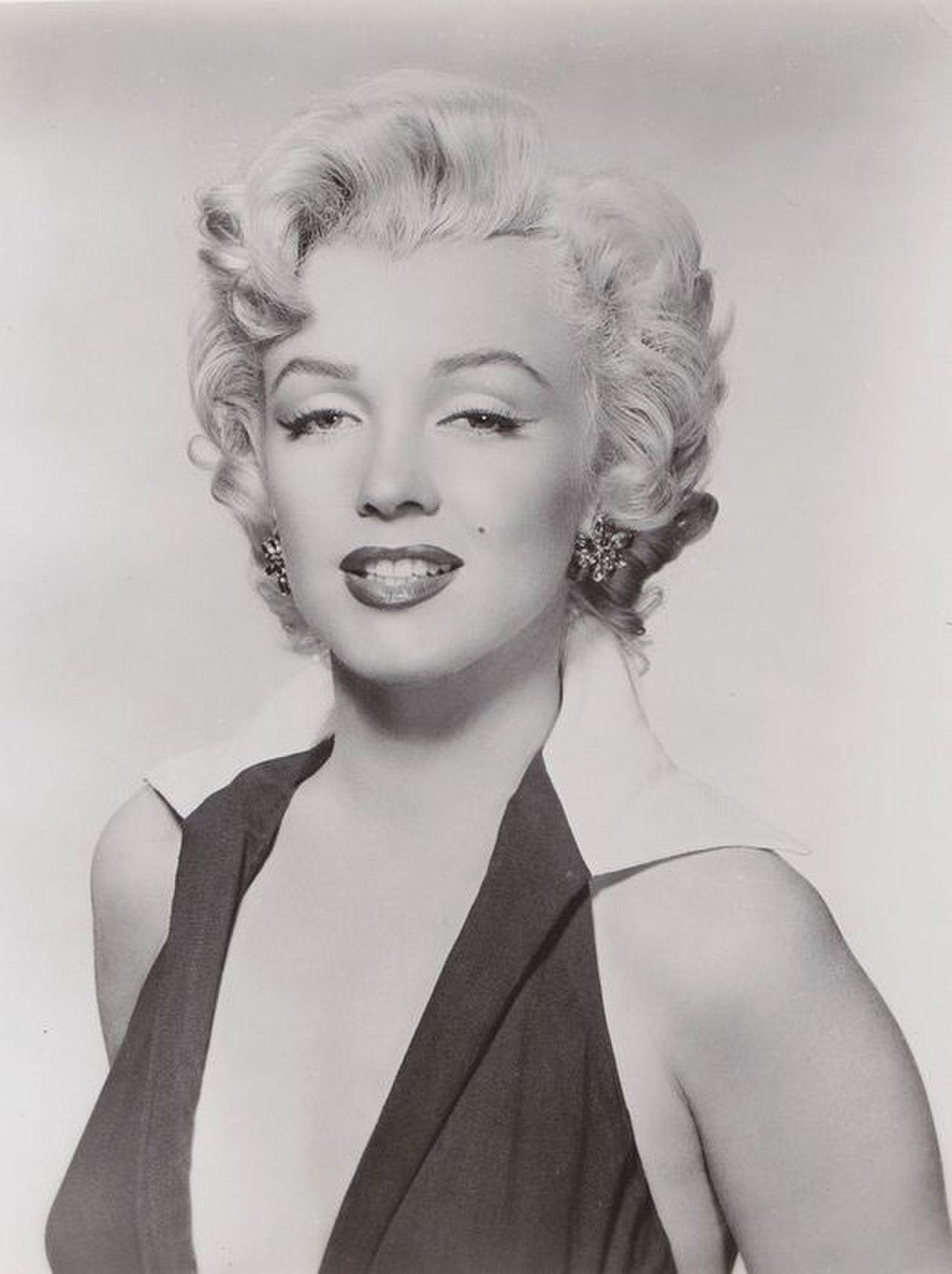
The techniques used in Marilyn Diptych cemented Warhol’s place as the forefather of Pop Art. Using silkscreen printing over painted canvases, he explored variations in graphic possibilities and opened doors for a new generation of artists. The colorful, high-contrast prints make the piece instantly recognizable.
The color itself tells a story: vibrant panels that reflect her fame and beauty, followed by fading black-and-white ones that hint at her death. It’s like he captured both her spotlight and the shadow that followed her.
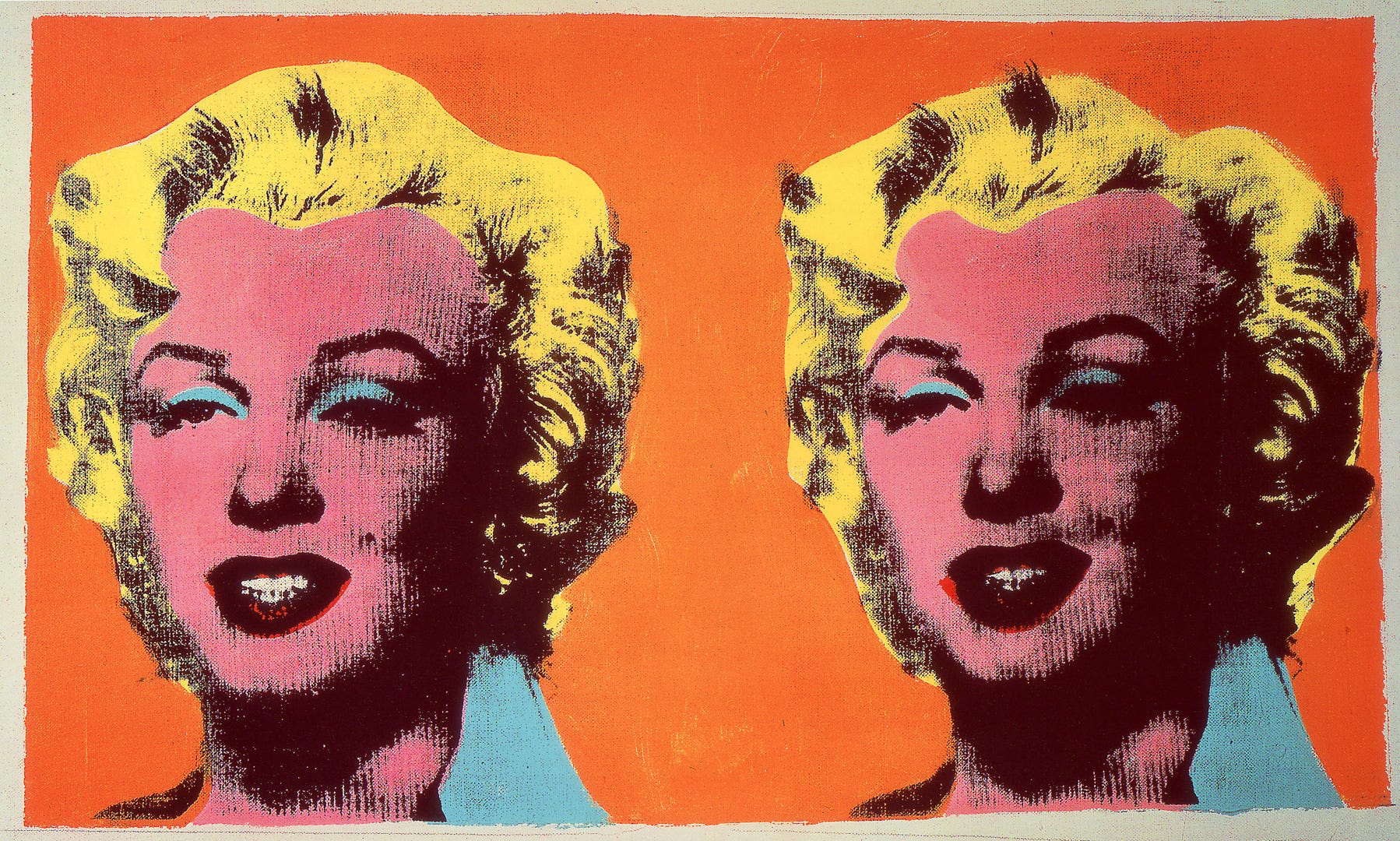
Additionally, the diptych format is traditionally associated with religious art. Byzantine icons—saints, martyrs, holy figures—were often presented this way. He turned Marilyn into a modern saint. Not of faith, but of fame. Worshipped, devoured, and ultimately destroyed by the culture that fueled her.
The repetition of her face—50 times—Warhol reflected mass production, comparing the entertainment industry to a factory line, one where icons like Monroe were consumed by society like products.
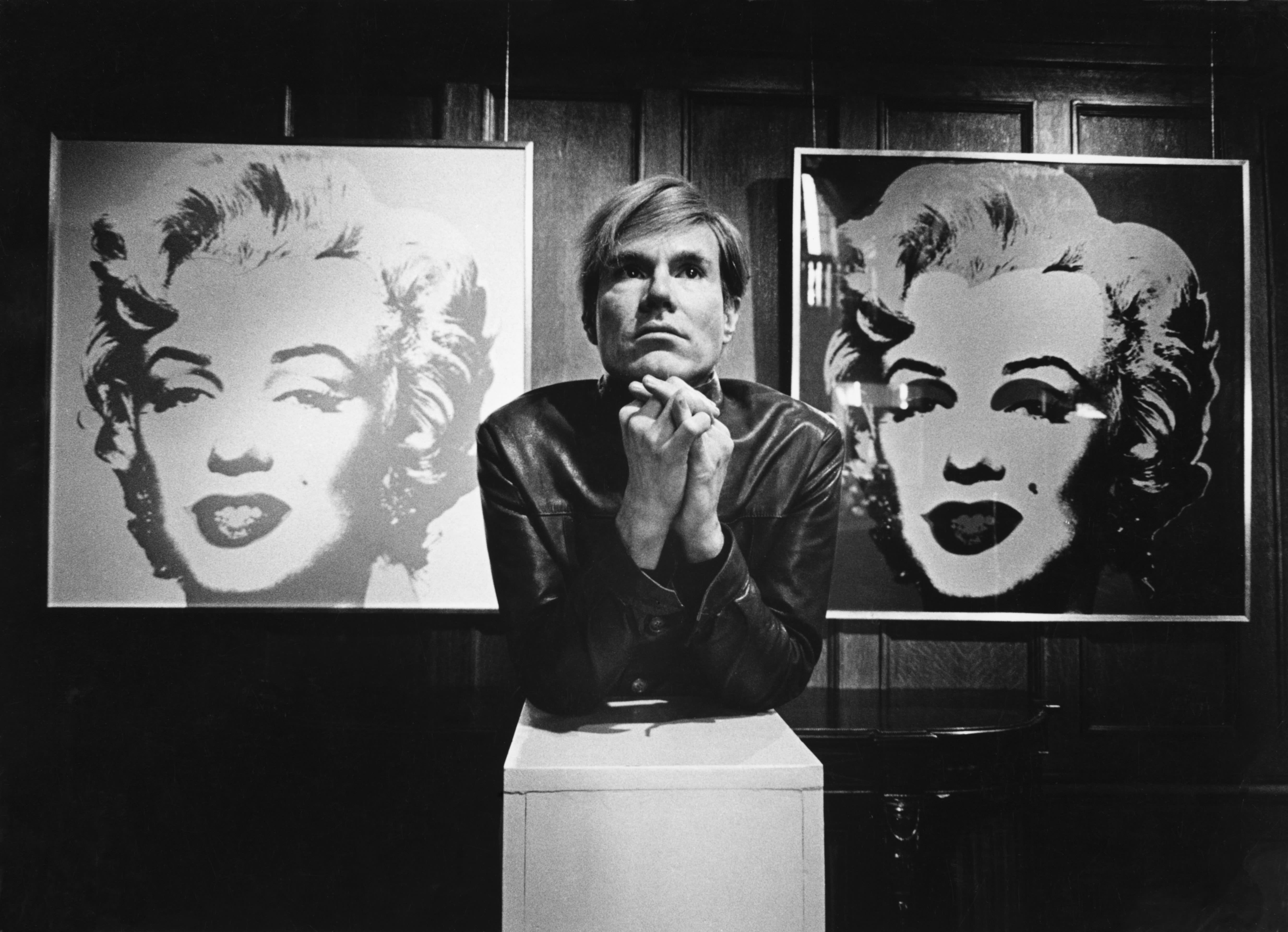
Marilyn Diptych is considered Warhol’s most influential work and is consistently ranked among the top modern artworks. It’s both a celebration and a critique of our obsession with fame, and it fabulously encapsulates Warhol’s genius—his ability to turn pop culture into art, and art into something timeless.